

What Is Matcha?
Matcha is a finely ground Japanese green tea powder made from shade-grown tea leaves known as tencha. Unlike regular green tea, where the leaves are steeped in water and discarded, matcha is whisked into water or another beverage and the powdered tea leaf is consumed.
This unique production and preparation method gives matcha its vibrant green color, distinctive umami flavor, fine texture, and naturally occurring caffeine and L-theanine.
Today, matcha is used not only in traditional Japanese tea culture but also in matcha lattes, specialty beverages, baking, ice cream, desserts, smoothies, and commercial food production.
In this guide, you’ll learn where matcha comes from, how it is made, how matcha grades differ, what it tastes like, how much caffeine it contains, how to choose high-quality matcha, and which type of matcha is best for different applications.
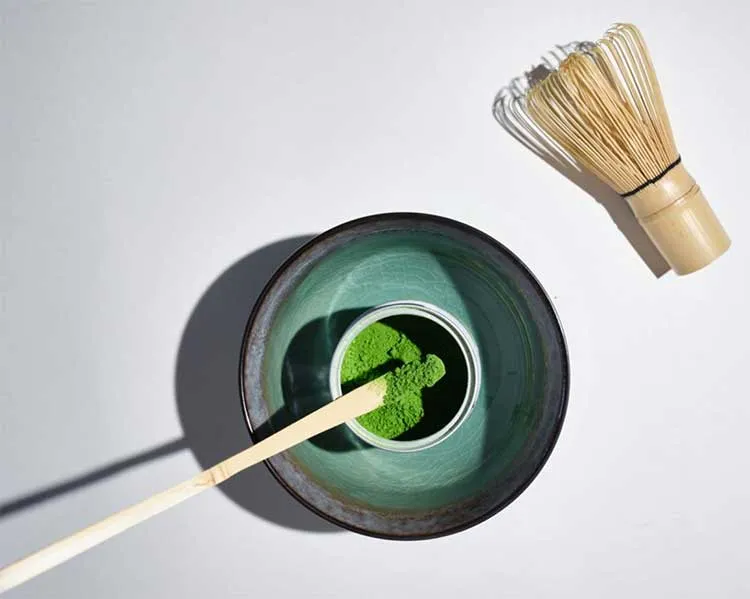
Where Does Matcha Come From?
Matcha has deep roots in Japanese tea culture and is produced in several tea-growing regions of Japan.
Important matcha-producing regions include Kyoto, Uji, Nishio, Shizuoka, Kagoshima, and other tea-growing areas. The origin of the tea can influence its flavor, aroma, color, texture, and overall characteristics.
However, origin is only one factor in evaluating matcha quality. Cultivar, growing conditions, shading practices, harvest timing, processing, grinding, storage, and quality control can all influence the finished product.
For commercial buyers, these factors are particularly important because the best matcha is not simply the one with the most prestigious origin, but the one that consistently meets the requirements of the intended application.
If you want a more detailed breakdown of the cultivation and production process, you can read our full guide here: How Matcha Is Made and Where It Comes From.
How Is Matcha Made?
Matcha is made through a specialized production process that transforms shade-grown tea leaves into a fine green tea powder.
The general process includes:
- Shade growing – Tea plants are shaded before harvest to influence the composition and flavor of the leaves.
- Harvesting – Young tea leaves are harvested according to the desired product specifications.
- Steaming – Fresh leaves are steamed to help prevent oxidation.
- Cooling and drying – The leaves are processed and dried to produce tencha.
- Sorting and processing – Stems, veins, and unwanted materials are removed.
- Milling – Dried tencha is carefully ground into a very fine powder.
- Packaging – The finished matcha is packed under appropriate conditions to help protect its quality.
Traditional stone milling is one method used to produce high-quality matcha. Modern production may also use other milling technologies depending on the product, required capacity, and application.
Because matcha is consumed as a powder, the quality of the original tea leaves and the processing conditions have a direct influence on the finished product.
Learn more about How Matcha Is Made.
What Does Matcha Taste Like?
Matcha has a distinctive flavor profile that can include umami, vegetal notes, natural sweetness, bitterness, and astringency. High-quality matcha is often described as smooth, rich, fresh, and savory rather than simply bitter.
The taste of matcha can vary significantly depending on the tea cultivar, growing region, harvest season, shading, processing, and grade.
Fresh, high-quality matcha may have a pronounced umami character with a balanced sweetness and mild bitterness. Matcha intended for culinary applications may have a stronger or more robust flavor that works well when combined with milk, sugar, chocolate, or other ingredients.
Matcha also has a characteristic mouthfeel because the fine tea powder remains in the beverage rather than being removed after brewing.
Why Is Matcha Green?
Matcha is green because the tea plants used to produce it are typically shaded before harvest, which affects the development and concentration of chlorophyll in the leaves.
After harvesting, the leaves are steamed to limit oxidation. This helps preserve their green color and fresh tea characteristics.
The final color of matcha can range from bright green to deeper or more muted shades depending on factors such as cultivar, growing conditions, harvest timing, processing, and storage.
A vibrant green color can be one useful indicator when evaluating matcha, but color alone does not determine quality. Aroma, flavor, texture, origin, production methods, and freshness should also be considered.
Matcha vs Green Tea: What’s the Difference?
Matcha is a type of green tea, but it is produced and consumed differently from most traditional green teas.
| Feature | Matcha | Green Tea |
|---|---|---|
| Form | Fine powdered tea | Whole or cut tea leaves |
| Preparation | Powder is mixed or whisked into water | Leaves are steeped in water |
| Tea leaf consumed | Yes | Usually no |
| Raw material | Tencha | Various green tea materials |
| Flavor | Often rich, umami, vegetal and creamy | Varies widely by tea type |
| Common uses | Tea, lattes, smoothies, desserts and food products | Primarily brewed tea |
| Production | Typically involves shading and tencha processing | Production methods vary |
The simplest distinction is this: matcha is powdered green tea made from specially processed tencha, and the powder is consumed rather than removed after steeping.
Does Matcha Have Caffeine?
Yes. Matcha naturally contains caffeine because the powdered tea leaf is consumed rather than simply steeped and discarded.
The amount of caffeine in a serving of matcha can vary depending on the tea material, cultivar, growing conditions, harvest, processing, and serving size.
Matcha generally contains more caffeine per serving than many traditionally brewed green teas, although the actual amount depends on how much tea is used and how the beverage is prepared.
Compared with coffee, a typical serving of matcha often contains less caffeine, but serving sizes and preparation methods vary. For commercial products, caffeine content should be evaluated according to the specific matcha specification and serving formulation.
What Are the Different Matcha Grades?
Matcha is commonly described using terms such as ceremonial grade, premium grade, and culinary grade. These terms are widely used in the tea market, but they are not universally standardized grades with one official definition that applies to every producer.
Instead, matcha should be evaluated according to its intended use as well as factors such as origin, cultivar, harvest, color, aroma, flavor, texture, processing, and product specifications.
Ceremonial Grade Matcha
Ceremonial matcha is generally intended for drinking on its own, particularly when prepared with water.
It typically emphasizes a smooth texture, fresh aroma, balanced flavor, and pleasant umami character. It is commonly used for traditional-style matcha preparation and premium beverages.
Premium Grade Matcha
Premium matcha is often used for beverages where flavor, color, and cost need to be balanced.
It can be suitable for matcha lattes, iced matcha drinks, smoothies, and other beverage applications. Depending on the product specification, premium matcha can offer a strong balance between sensory quality and commercial practicality.
Culinary Grade Matcha
Culinary matcha is generally formulated for use with other ingredients rather than being consumed entirely on its own.
It is commonly used in baking, desserts, ice cream, chocolate, confectionery, sauces, smoothies, and other food applications. A culinary matcha may have a stronger tea flavor and be selected for its performance, color, and cost in a finished formulation.
How to Choose the Right Matcha Grade
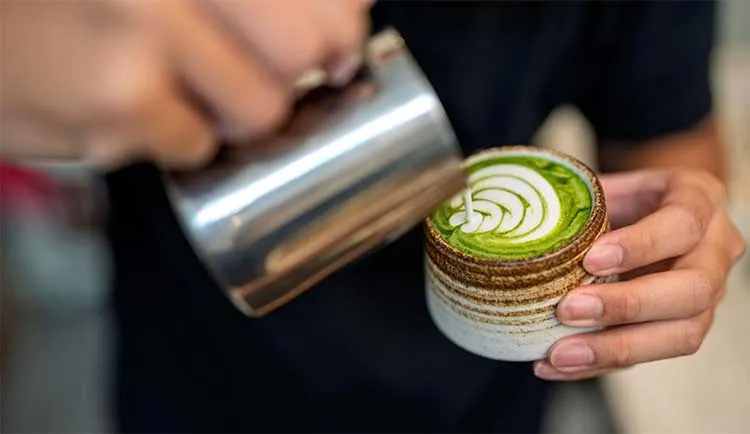
The best matcha grade depends on how you plan to use it.
| Application | Commonly Suitable Matcha |
|---|---|
| Traditional matcha | Ceremonial |
| Premium straight matcha drinks | Ceremonial / Premium |
| Matcha latte | Premium |
| Iced matcha drinks | Premium |
| Smoothies | Premium / Culinary |
| Cakes and cookies | Culinary |
| Ice cream | Culinary |
| Chocolate and confectionery | Culinary |
| Food manufacturing | Culinary / Custom specification |
For commercial applications, grade alone is not enough. Buyers should also consider flavor profile, color, particle size, origin, cultivar, harvest season, certifications, testing requirements, packaging, minimum order quantities, and supply consistency.
For example, a café may prioritize flavor and color for a matcha latte, while a food manufacturer may place greater emphasis on consistent specifications, production capacity, testing, packaging, and cost per finished product.
What Is Matcha Used For?
Matcha is used in a wide range of beverages and food products.
Beverages
Common matcha beverages include:
- Traditional matcha
- Matcha lattes
- Iced matcha
- Matcha smoothies
- Matcha milk drinks
- Ready-to-drink beverages
- Matcha-based beverage mixes
Desserts and Baking
Matcha is also widely used in:
- Cakes
- Cookies
- Pastries
- Cheesecakes
- Ice cream
- Gelato
- Chocolate
- Confectionery
Food Manufacturing
Commercial matcha can be incorporated into:
- Powdered beverage mixes
- Dairy products
- Desserts
- Snack products
- Confectionery
- Bakery products
- Private-label food and beverage products
The appropriate matcha specification depends on the finished product, processing conditions, desired color and flavor, and target cost.
How to Prepare Matcha
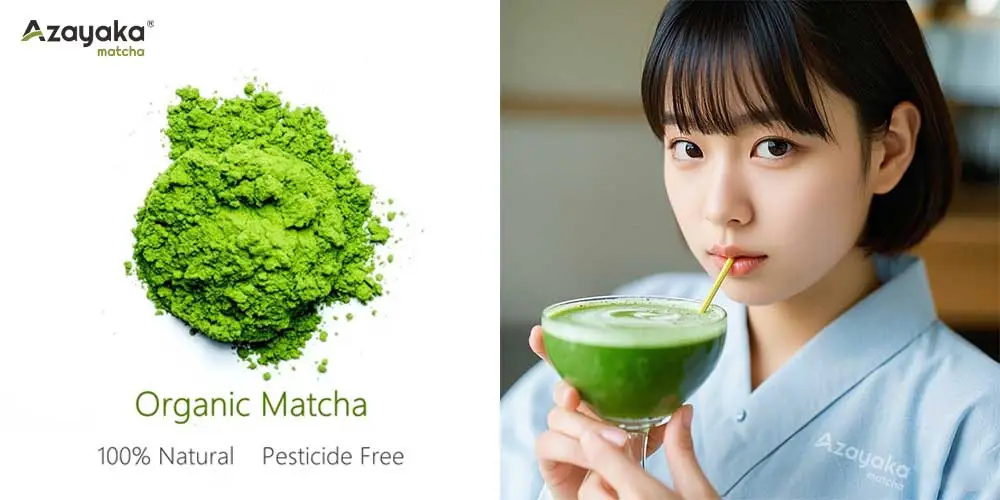
Matcha can be prepared traditionally with water or incorporated into modern beverages such as matcha lattes.
Traditional Matcha
A simple preparation method is:
- Sift approximately 2 grams of matcha into a bowl.
- Add approximately 60–70 mL of hot water.
- Whisk the matcha until it is evenly dispersed and lightly frothy.
- Enjoy immediately.
Using water that is hot but not boiling can help preserve a more balanced flavor.
Matcha Latte
For a matcha latte:
- Sift the matcha into a cup or bowl.
- Add a small amount of hot water.
- Whisk until smooth.
- Add steamed or cold milk.
- Add a sweetener if desired.
The amount of matcha, water, milk, and sweetener can be adjusted according to the desired flavor and beverage style.
How to Choose High-Quality Matcha
Choosing high-quality matcha requires more than looking at its color.
1. Origin
If Japanese origin is important to you, check the product’s stated origin and production information.
2. Color
Fresh matcha often has a vibrant green appearance. However, color should be evaluated together with other quality characteristics.
3. Aroma
High-quality matcha should have a clean and fresh tea aroma. A stale, musty, or unpleasant smell may indicate poor storage or aging.
4. Flavor
Look for a balanced flavor profile that may include umami, sweetness, vegetal notes, bitterness, and astringency.
5. Texture
Fine particle size contributes to a smooth mouthfeel and helps matcha disperse more effectively when prepared as a beverage.
6. Production Method
Shading, harvesting, tencha processing, sorting, drying, and milling can all affect the final product.
7. Testing and Specifications
For commercial buyers, technical documentation is particularly important. Depending on the application and market, buyers may evaluate:
- Product specifications
- Microbiological testing
- Pesticide residue testing
- Heavy metal testing
- Organic certification
- Country and region of origin
- Packaging specifications
- Shelf-life information
For cafés and manufacturers, consistent quality from batch to batch can be just as important as the sensory quality of an individual sample.
How Should Matcha Be Stored?
Matcha is sensitive to oxygen, light, heat, and moisture, so it should be stored in an airtight container in a cool, dry, and dark environment.
To help maintain matcha quality:
- Keep the package tightly sealed.
- Minimize exposure to air.
- Protect the powder from moisture.
- Keep it away from direct sunlight.
- Avoid prolonged exposure to heat.
- Use clean, dry utensils when handling the powder.
Refrigeration may be appropriate in some situations, particularly for longer-term storage, but condensation can affect matcha when a cold package is opened in a warm, humid environment.
For commercial quantities, storage conditions should be managed carefully to help maintain consistent color, aroma, flavor, and product quality throughout the intended shelf life.
Is Matcha Healthy?
Matcha contains naturally occurring compounds found in green tea, including catechins and other polyphenols. It also naturally contains caffeine and other components derived from the tea leaf.
Because matcha is consumed as a powder, rather than only drinking water that has been infused with tea leaves, its composition differs from that of a typical brewed green tea.
However, the nutritional composition of matcha can vary according to factors such as cultivar, growing conditions, processing, serving size, and product specifications.
Matcha should be considered part of an overall balanced diet rather than as a substitute for medical treatment or a guarantee of specific health outcomes.
Matcha for Cafés and Food Manufacturers
Matcha has become an increasingly versatile ingredient for cafés, beverage brands, bakeries, dessert companies, and food manufacturers.
For commercial buyers, selecting matcha is different from choosing a small consumer package. The most suitable product needs to perform consistently in the intended application.
Matcha for Cafés
Cafés may use matcha for:
- Matcha lattes
- Iced matcha beverages
- Seasonal drinks
- Smoothies
- Specialty tea menus
Important considerations may include flavor, color, solubility, consistency, cost per serving, and supply reliability.
Matcha for Bakeries and Dessert Brands
Bakeries and dessert manufacturers may use culinary matcha for:
- Cakes
- Cookies
- Pastries
- Ice cream
- Gelato
- Chocolate
- Cream fillings
In these applications, color stability, flavor strength, processing performance, and cost can be particularly important.
Matcha for Food Manufacturers
Food manufacturers may require matcha with specific technical and commercial requirements, including:
- Consistent product specifications
- Organic or conventional options
- Specific color and flavor profiles
- Testing documentation
- Bulk packaging
- Stable supply
- Custom blends
- Private-label products
- OEM/ODM support
For large-scale applications, the right matcha is not necessarily the most expensive matcha. It is the product that provides the required quality and performance consistently within the finished product and target cost.
Looking for Matcha for Your Business?
Choosing the right matcha supplier is about more than selecting a grade. Commercial buyers need a product that matches their application, quality requirements, target cost, and supply needs.
Azayaka Matcha provides Japanese matcha for cafés, beverage companies, bakeries, food manufacturers, and other commercial applications. Available options can include ceremonial, premium, and culinary matcha, as well as organic and conventional specifications.
For businesses looking for bulk matcha, custom blends, private-label products, or OEM/ODM solutions, product specifications and application requirements can be evaluated before selecting the most suitable matcha.
Whether you need matcha for a café menu, a new beverage product, bakery applications, desserts, or large-scale food manufacturing, selecting the right product specification is the first step toward consistent quality.
Looking for Japanese matcha for your business? Explore our wholesale matcha solutions or contact Azayaka Matcha to discuss your application and product requirements.
About Azayaka Matcha
Azayaka Matcha focuses on sourcing shade-grown tea leaves and processing them using traditional stone-grinding methods.
Our approach emphasizes:
- Stable quality across batches
- Suitable performance for cafés and food production
- Controlled sourcing and processing standards
This ensures matcha is consistent for both traditional preparation and commercial use.
If you would like to evaluate the quality firsthand, you can request a free sample here:
FAQ
What exactly is matcha made from?
Matcha is made from shade-grown green tea leaves that are steamed, dried, and stone-ground into a fine powder.
Is matcha stronger than green tea?
Yes. Because matcha uses the whole leaf, it contains more natural compounds than regular brewed green tea.
Why is matcha so green?
High-quality matcha has more chlorophyll due to shading during growth, which creates its bright green color.
What is matcha used for?
Matcha is used in tea, lattes, baking, desserts, and food manufacturing.
What is the best matcha grade for lattes?
Premium grade matcha is commonly used for latte preparation due to its balance of taste and color.