
How to Brew Matcha Correctly ?
Brewing a delicious bowl of matcha is easier than you might think. With just a little practice and the right technique, anyone can prepare smooth, vibrant, and well-balanced matcha at home.
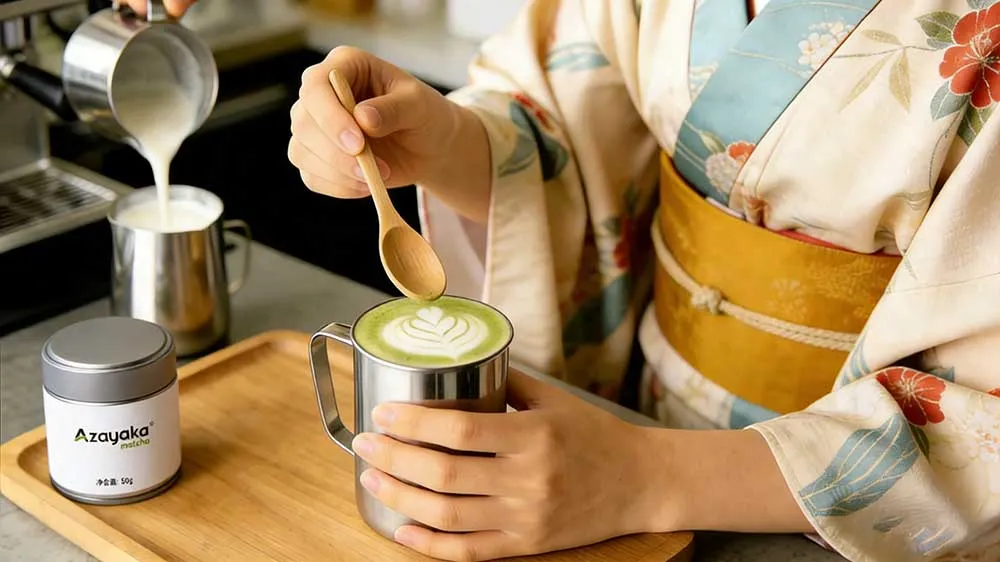
To fully enjoy high-quality matcha, proper brewing technique is just as important as the matcha itself. Follow the steps below to brew matcha correctly and consistently.
Step 1: Sift the Matcha Powder
Why sifting matters:
Matcha powder naturally forms small clumps. Sifting helps the powder dissolve smoothly and prevents lumps in your tea.
How to do it:
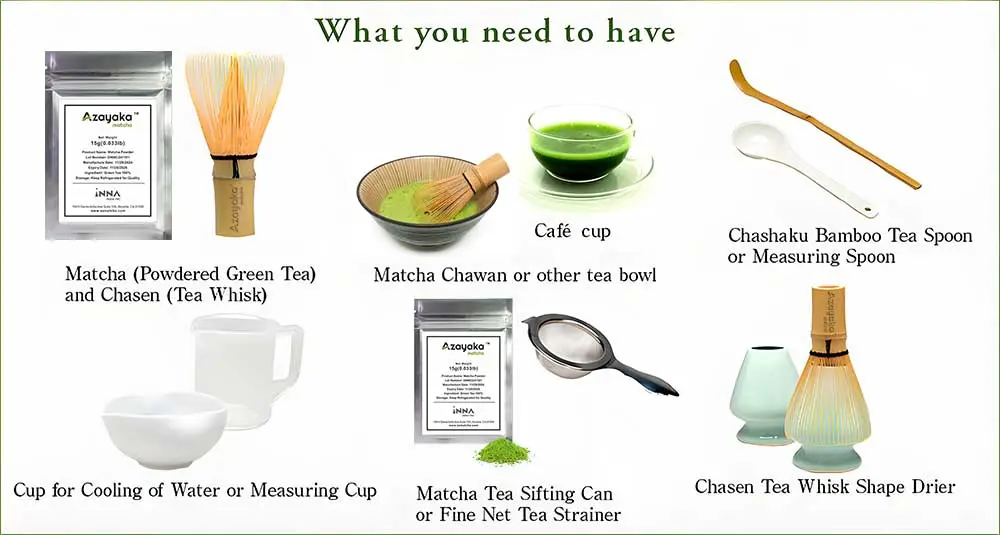
- Place the required amount of matcha into a fine mesh sieve.
- Gently press the powder through the sieve using a teaspoon or measuring spoon.
- Sift the matcha directly into a pre-warmed, dry matcha bowl (chawan).
This step ensures a smoother texture and a cleaner taste.
Step 2: Prepare the Water Properly
Water quality significantly affects the taste of matcha.
Choose Soft Water
- Filtered water is ideal.
- If using tap water, filtering is recommended.
- Without a filter, boil water in an uncovered pot to allow chlorine to evaporate.
Regardless of the water source:
- Bring the water to a full boil at least once.
- Then allow it to cool to the appropriate temperature before use.
Step 3: Matcha-to-Water Ratio (Basic Guide)
You can adjust quantities to your taste, but the following is a classic and well-balanced ratio:
- Matcha powder: about 1.5 grams
- 2 bamboo scoops (chashaku), or
- 1 level measuring spoon
- Water volume: 70 ml (approximately 2.4 oz)
Using a measuring cup helps ensure consistency.
Step 4: Water Temperature Matters
Using water that is too hot will make matcha bitter.
Recommended temperature:
- Winter: 75–85°C (167–185°F)
- Summer: 70–80°C (158–176°F)
How to cool boiling water easily:
- Pour boiling water into a measuring cup.
- To lower the temperature further, pour it into another container and then back again.
This simple transfer method reduces temperature quickly without a thermometer.
Step 5: How to Whisk Matcha Correctly
- Add the hot water to the sifted matcha in the bowl.
- Use a bamboo whisk (chasen) to gently mix the powder and water.
- Lift the whisk slightly off the bottom and whisk briskly in a back-and-forth “W” or “M” motion.
- Avoid stirring in circles—this prevents proper foam formation.
- Once fine, creamy foam forms, slow down.
- Lightly skim the surface to remove large bubbles.
- Finish by gently lifting the whisk from the center to create a smooth, even surface.
A well-whisked matcha should have a fine, creamy foam and a bright green color.
Important Notes on Water Usage
If You Use Tap Water:
- Pour water into an iron or anodized aluminum kettle.
- Let it sit overnight if possible.
- Boil the water, then simmer uncovered for 5 minutes.
This helps remove:
- Chlorine odors
- Musty smells
- Trihalomethanes
Ideal Water pH
Slightly acidic to neutral water works best for Japanese green tea.
Tap water typically has a pH of around 7, which is acceptable after proper treatment.
Final Tips for Better Matcha
- Always use fresh matcha powder
- Store matcha in an airtight container, away from light and heat
- Use a bamboo whisk for best texture
- Avoid boiling water directly on matcha
With the right technique, brewing matcha becomes a calming daily ritual rather than a complicated process. Once mastered, you’ll be able to enjoy a consistently smooth, flavorful bowl of matcha anytime.