
In recent years, matcha has gone from a traditional Japanese tea to a global wellness trend. From lattes to desserts, this vibrant green powder is everywhere. But along with its popularity, some concerns have started to circulate—one of the most common being: Does matcha cause infertility?
Let’s break this down with science, not fear.

🌿 What Is Matcha, Really?
Matcha is a finely ground powder made from shade-grown green tea leaves. Unlike regular tea, where you steep and discard the leaves, matcha allows you to consume the entire leaf—meaning you get a more concentrated dose of nutrients, antioxidants, and caffeine.
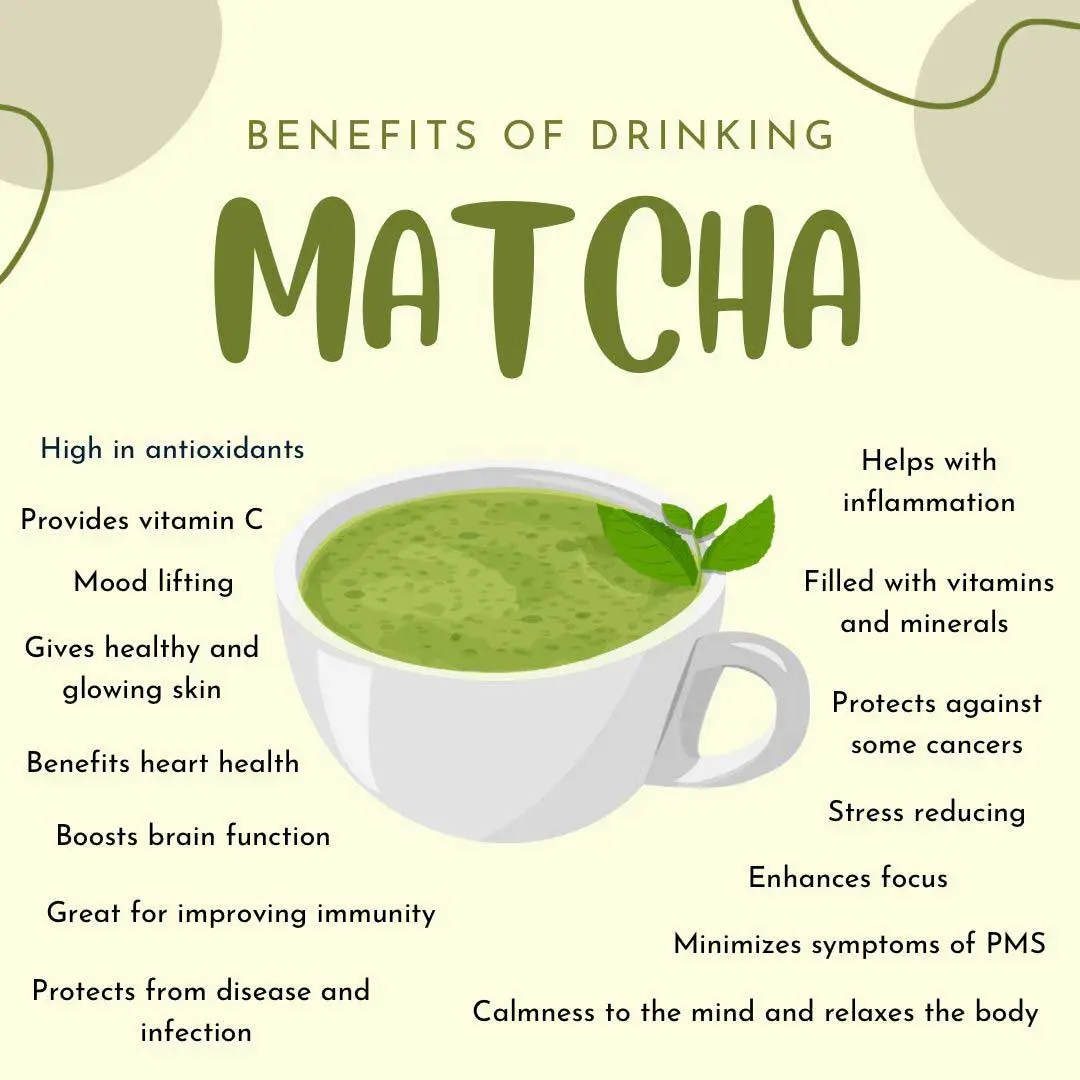
It’s rich in:
- Catechins (especially EGCG)
- L-theanine
- Chlorophyll
- Vitamins and minerals
These compounds are generally associated with positive health effects, not harm.
⚠️ Where Does the Infertility Concern Come From?
The idea that matcha might affect fertility usually comes from two areas:
1. Caffeine Content
Matcha does contain caffeine—typically about 30–70 mg per serving. Some studies suggest that very high caffeine intake (over 300–400 mg per day) may negatively affect fertility or pregnancy outcomes.
👉 But here’s the key point:
Moderate consumption is considered safe.
Drinking 1–2 cups of matcha per day is well within safe limits for most people, including those trying to conceive.
2. Antioxidants and Hormonal Effects
Matcha is extremely high in antioxidants like EGCG. In very high doses (usually from supplements, not tea), these compounds may interfere with certain biological processes.
However:
- There is no strong evidence that matcha itself causes infertility.
- Most concerns come from isolated compounds in unrealistic doses.
🧪 What Does Science Say?
Current research does NOT support the idea that matcha causes infertility.
In fact, some studies suggest:
- Green tea antioxidants may help reduce oxidative stress, which is linked to infertility.
- Improved overall health (from a balanced diet including matcha) can support reproductive health.
That said, balance is everything.
👩⚕️ Should You Avoid Matcha When Trying to Conceive?
Not necessarily.
Here’s a practical guideline:
- ✅ Safe: 1–2 cups per day
- ⚠️ Be cautious: 3–4 cups daily (monitor total caffeine intake)
- ❌ Avoid excessive intake: Especially concentrated extracts or supplements
If you are pregnant or undergoing fertility treatment, it’s always best to consult a healthcare provider.
Matcha does NOT cause infertility when consumed in normal amounts.
Like many foods and drinks, the key lies in moderation. Instead of worrying about matcha harming your fertility, focus on maintaining a healthy lifestyle overall—balanced diet, good sleep, and stress management.
Matcha has been consumed for centuries in Japan without any widespread link to infertility. Modern science also supports its safety when enjoyed responsibly.
So go ahead—enjoy your matcha latte with confidence. Just don’t overdo it.