

Scroll through Instagram, TikTok, or food blogs, and you’ll see the viral question: Why buy an expensive matcha cake? It’s dividing foodies—some call it a waste, others a must-splurge. If you’ve hesitated at a patisserie, wondering if that $40+ cake is worth it, we’re breaking down the truth, why it’s worth the cost, and how to avoid buyer’s remorse. If you’re curious to taste the difference yourself, you can also request a free matcha sample to experience the quality firsthand.
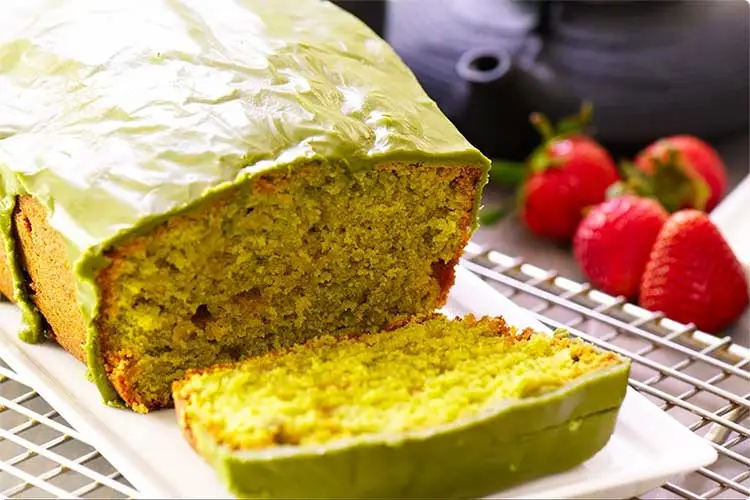
Let’s cut to the chase: Expensive matcha cakes aren’t just fancy grocery store versions. They’re made with top-shelf ingredients and skill, turning a basic dessert into something memorable. The real question: Why shell out when you can make one at home or grab a cheapie?
The Viral Trend Behind the Question
The trend blew up in early 2026, thanks to a viral AI video with a catchy jingle asking why splurge on a matcha cake when you can make one in 10 minutes with four ingredients. It sparked endless debates and taste tests—but it missed a key point: quality.
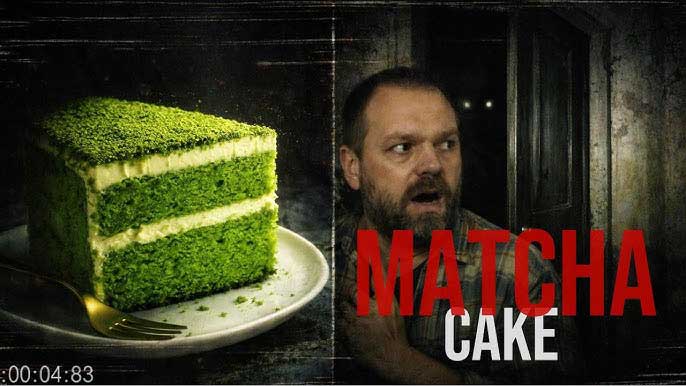
A basic homemade cake is fast and cheap, but it can’t compare to a premium one. Here’s why splurging is worth it.
5 Reasons Expensive Matcha Cakes Are Worth It
When you pay more, you’re not just buying sugar and flour—you’re getting better ingredients, skill, and a flavor you can’t replicate. Here’s the lowdown:
1. Premium Matcha = No Bitter Aftertaste
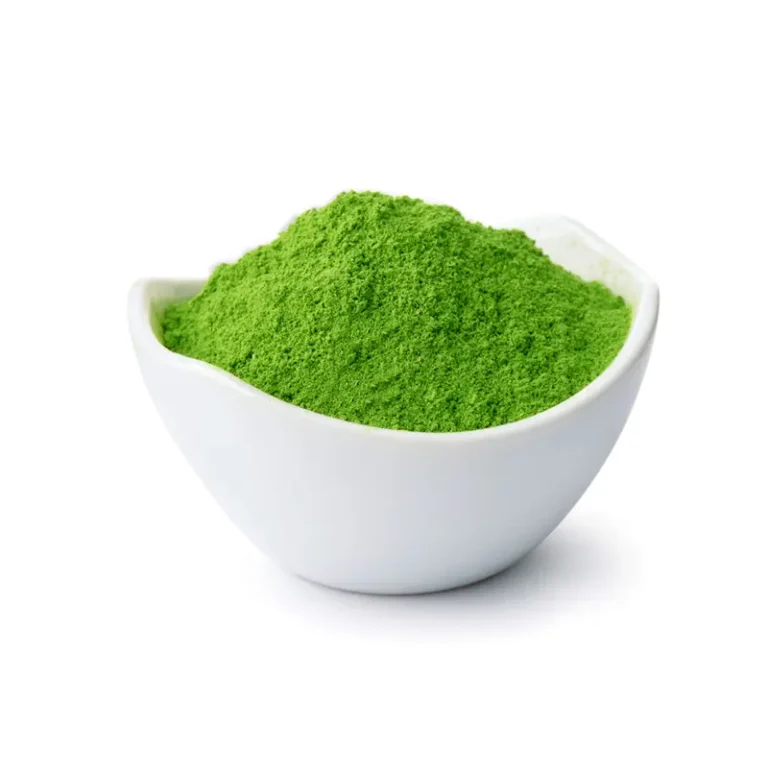
Budget cakes use low-grade, mass-produced matcha—dull, bitter, and often filled with fillers or artificial colors. Expensive cakes use ceremonial-grade matcha from Japan’s top regions (Uji, Shizuoka), shade-grown and hand-stone-ground for a smooth, umami-rich flavor with no bitterness. A single ounce of this matcha costs $15-$20—vs. $2-$3 for low-grade. The difference is night and day.
2. Expert Craftsmanship = Perfect Texture
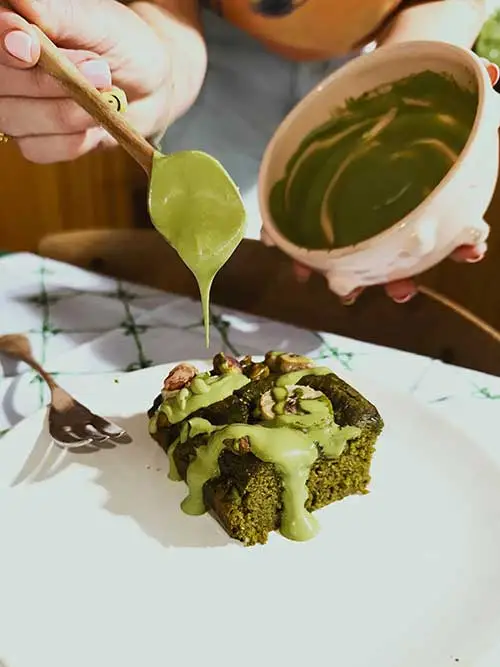
Dry, crumbly matcha cakes are a sign of budget or botched homemade attempts. Skilled pastry chefs use techniques like separated egg baking for a light, moist sponge, with balanced fillings (matcha ganache, red bean) that complement—not overpower—the matcha. A high-end lava cake’s crisp exterior and oozing center? Nearly impossible to make at home.
3. No Artificial Junk = Purer Flavor
Budget cakes cut corners with artificial flavors, colors, and preservatives (think neon green hues and chemical aftertastes). Expensive cakes use simple, high-quality ingredients—real butter, fresh eggs, pure matcha, no high-fructose corn syrup. It’s better for your taste buds and your body.
4. It’s an Experience, Not Just a Dessert
Premium bakeries craft an experience: elegant packaging, artful decorations, and careful serving. It’s the treat you bring to a dinner party, serve at a birthday, or savor on a lazy Sunday—turning an ordinary moment into something special.
5. You Support Artisanal Makers
Most expensive matcha cakes come from small, local bakeries—not big corporations. By buying one, you support skilled chefs and sustainable practices (many source matcha directly from Japanese farms, ensuring fair wages).
How to Spot a “Worth It” Expensive Matcha Cake
Not all pricey cakes are equal. Look for these signs:
- Matcha source: Clear info on origin (Uji/Shizuoka) and grade (ceremonial/first-grade).
- Ingredients: Simple, natural—no unpronounceable additives.
- Texture: Light, moist sponge; balanced, not overly sweet filling.
- Color: Bright green (not neon)—a sign of real, high-quality matcha.
Is It Worth It?
If you want a quick sweet fix, a budget cake works. But if you love matcha, value quality, and want a special experience, an expensive matcha cake is 100% worth it.
The meme asks, “Why buy an expensive matcha cake?” The real question: Why settle for bitter, junky cake when you can have something smooth, vibrant, and made with care? Some things are worth splurging on.
Next time you’re at the bakery, treat yourself—one bite, and you’ll get the hype.

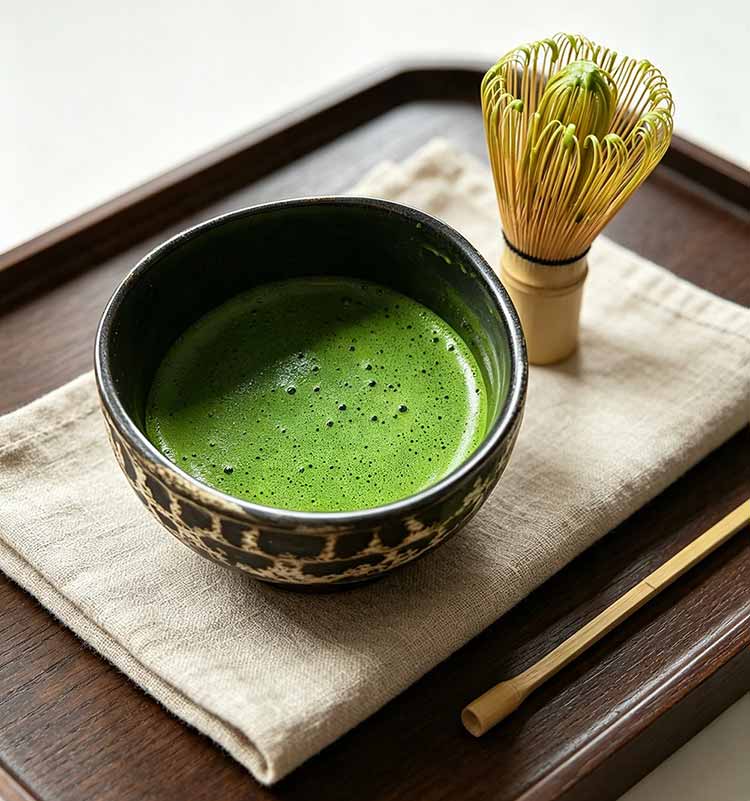
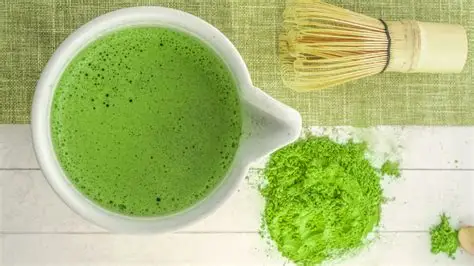
I totally get why people splurge on pricey matcha cake now! The ceremonial-grade matcha tastes nothing like the cheap artificial stuff—rich, earthy, and just the right amount of bitter. Worth every penny for a real treat!