
Matcha is more than just a green powder – it represents centuries of tea culture and can be used in beverages, desserts, and culinary creations. In this guide, we’ll explore the differences between ceremonial and culinary matcha, tips for preparation, and best practices for storage and usage.
1. Appearance and Texture
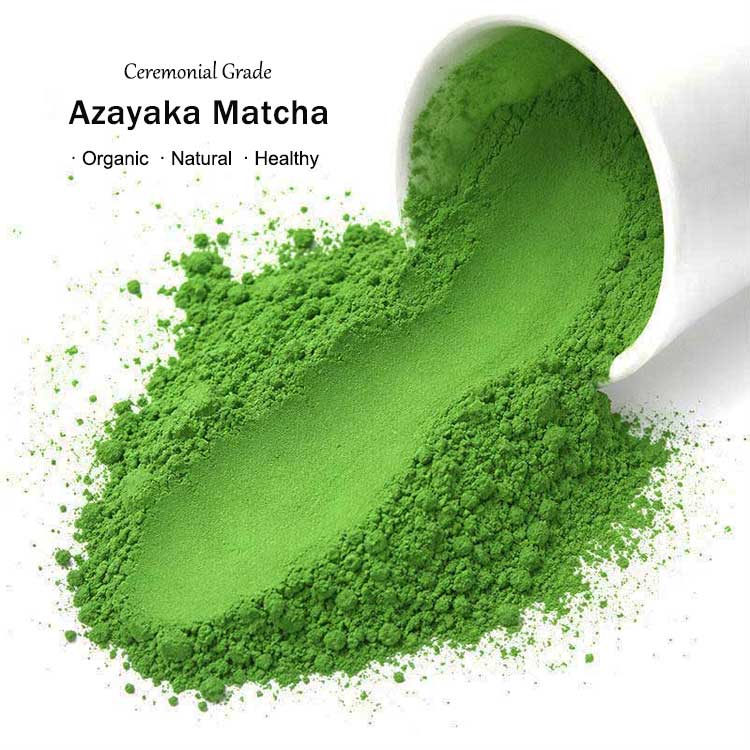
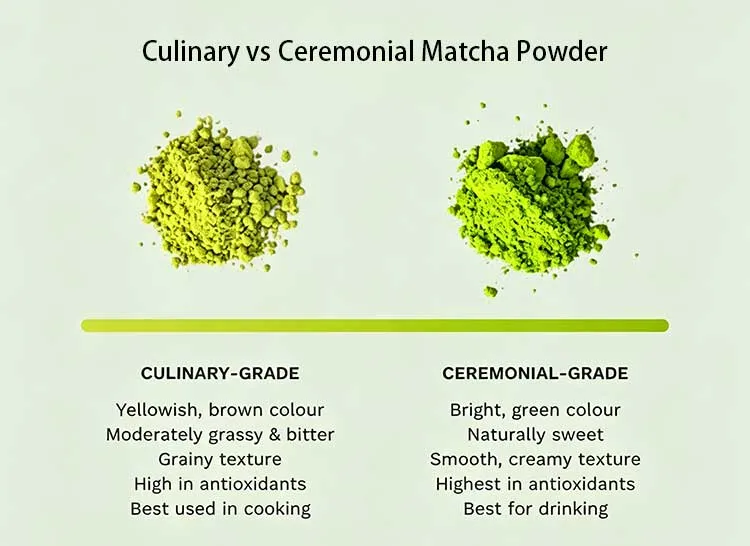
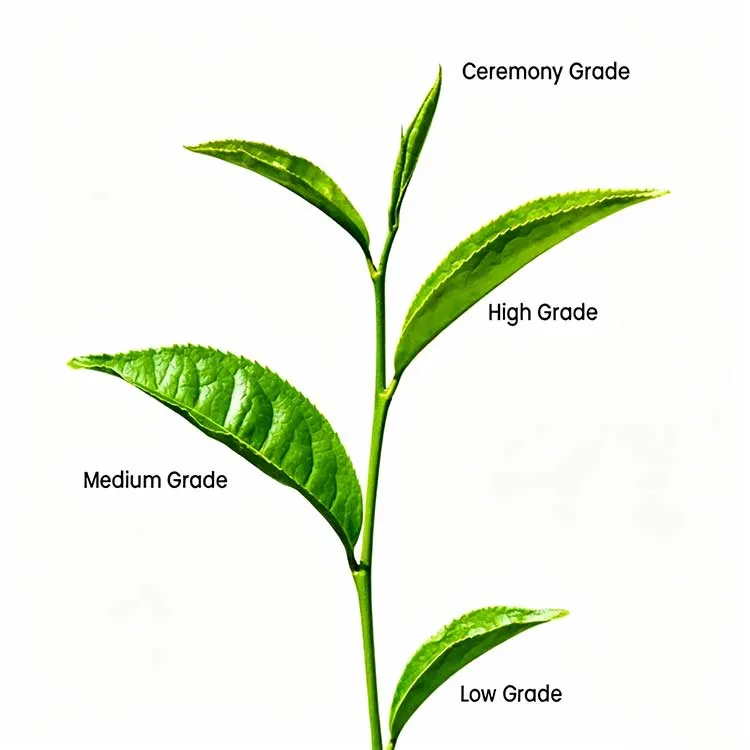
- Ceremonial Grade: Produced from the youngest shade-grown leaves, vibrant emerald green, ultra-fine powder with a silky smooth texture. Stone-milled slowly to preserve flavor and nutrients.
- Culinary Grade: Typically made from more mature leaves and stems, color is darker or slightly yellowish, coarser texture, less delicate when whisked.
2. Taste and Aroma
- Ceremonial: Naturally sweet, smooth, rich umami flavor, no bitterness. Fragrant with fresh tea aroma, ideal for pure drinking and tea ceremonies.
- Culinary: Slightly bitter or astringent, less aromatic, designed for blending into beverages, lattes, smoothies, or baking recipes.
3. Usage and Application
- Ceremonial: Best suited for traditional tea ceremonies, matcha lattes, or high-quality beverages where flavor and color are critical. Not recommended for baking or high-temperature cooking.
- Culinary: Designed for mixing into food products like cakes, ice cream, cookies, and milkshakes, where natural sweetness and texture are less critical.
4. Production and Certification
- Ceremonial: Shade-grown 20–30 days to enhance amino acids, hand-picked leaves only, stone-ground slowly. Typically certified USDA Organic, EU Organic, JAS Organic.
- Culinary: Sun-grown, harvested in bulk, may contain stems and veins. Suitable for large-scale commercial use and cost-effective applications.
5. Visual & Preparation Indicators
- Ceremonial Matcha produces bright green, frothy tea with smooth foam using a bamboo whisk.
- Culinary Matcha yields darker, less vibrant color and foam, sometimes grainy.
6. Price Considerations
- Ceremonial Matcha commands a higher price due to premium leaves, labor-intensive processing, and high-quality flavor.
- Culinary Matcha is more affordable, suitable for bulk food production.
Real Ceremonial Matcha = shade-grown, tender leaves, stone-milled, vibrant green, naturally sweet, best for drinking.
Culinary Matcha = mature leaves, coarser, darker, slightly bitter, ideal for baking and beverages.