
Why Matcha Makes You Feel Focused: The Science Behind Calm Energy
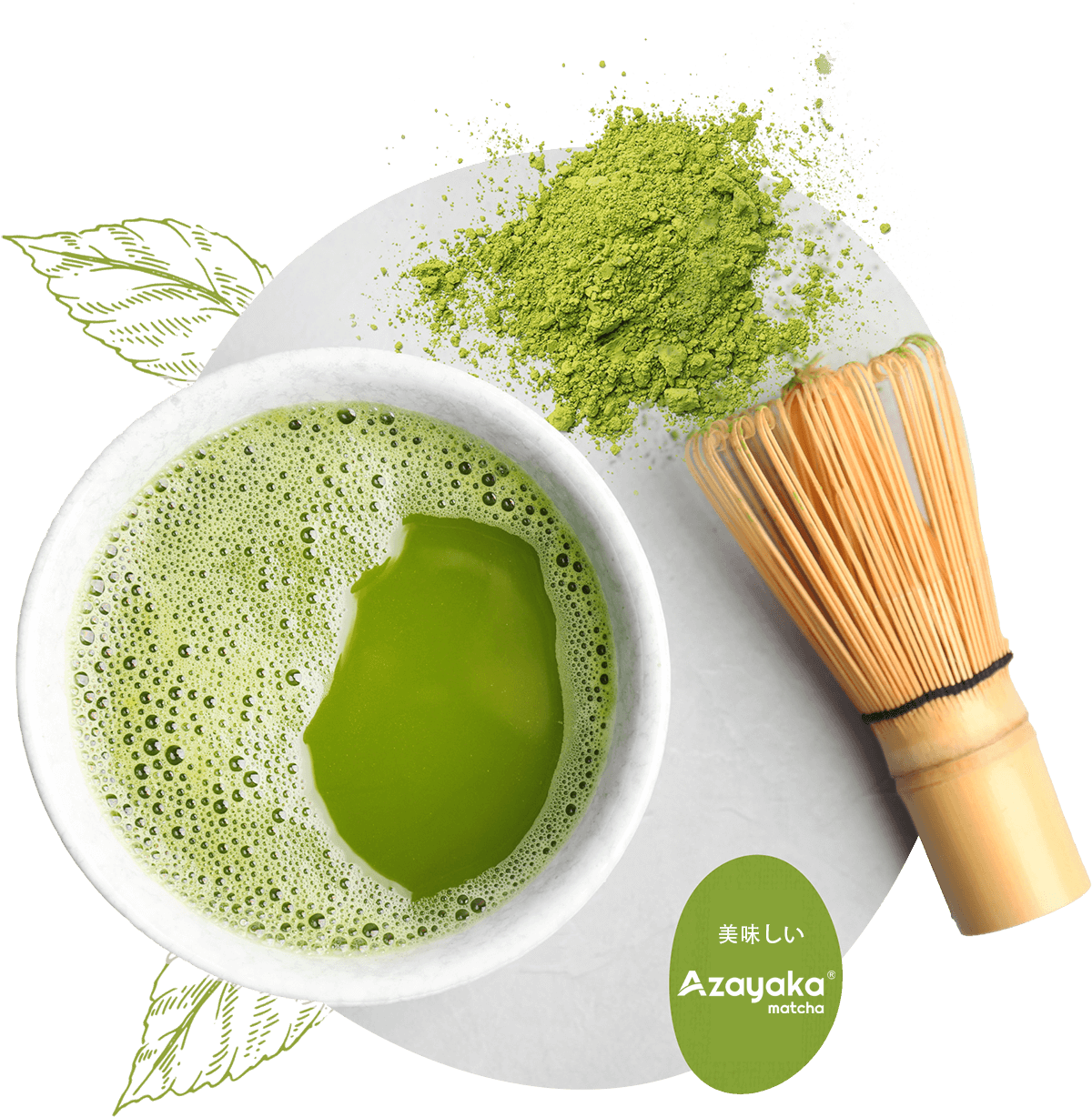
For many people, coffee is the default energy source—but it often comes with jitters, anxiety, or an afternoon crash. Matcha offers something different: steady energy, mental clarity, and calm focus.
So why does matcha feel so different from coffee?
The answer lies in a unique combination of natural caffeine + L-theanine, a powerful amino acid found in shade-grown green tea leaves.
In this guide, we’ll break down the science behind matcha’s “calm energy,” why it matters, and how to choose the best matcha for sustained focus.
What Is L-Theanine?
L-theanine is a naturally occurring amino acid found primarily in tea leaves, especially high-quality matcha.
Because matcha tea plants are shade-grown before harvest, they produce more chlorophyll and amino acids—including L-theanine.
Key Effects of L-Theanine:
- Promotes relaxation without drowsiness
- Supports focus and concentration
- May reduce stress response
- Helps balance caffeine absorption
- Encourages alpha brain wave activity (linked to calm alertness)
This is one reason matcha has been used for centuries by Zen monks during meditation.
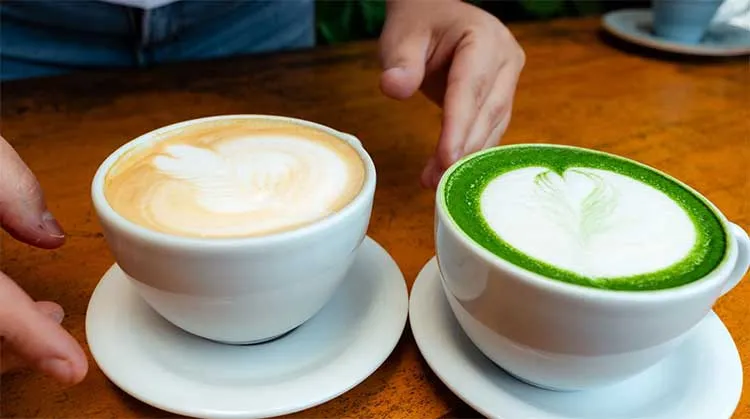
Matcha vs Coffee: Why the Energy Feels Different
Coffee:
- Rapid caffeine spike
- Higher chance of jitters
- Energy crash more common
- Can increase nervousness
Matcha:
- Slower, steadier caffeine release
- L-theanine promotes calmness
- More balanced focus
- Often fewer crashes
The Science:
Matcha contains caffeine, but L-theanine may slow how stimulating that caffeine feels, creating what many describe as “alert but calm.”
This makes matcha especially appealing for:
- Work productivity
- Studying
- Creative tasks
- Morning routines
- Pre-workout focus
How Much Caffeine Is in Matcha?
A typical serving of matcha (1–2 grams) contains approximately 38–70 mg of caffeine, depending on grade and preparation.
Comparison:
- Matcha: 38–70 mg
- Green Tea: 20–45 mg
- Coffee: 95–200 mg
So while matcha has less caffeine than coffee, many users report longer-lasting energy due to its nutrient composition.
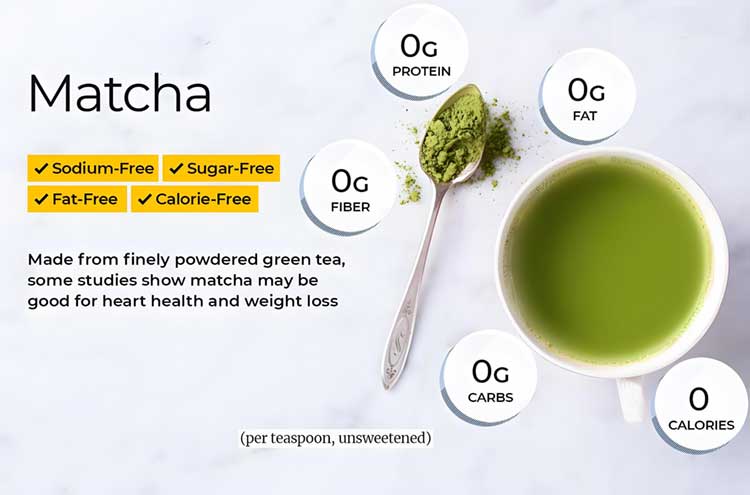
Additional Benefits of Matcha Beyond Energy
1. Rich in Antioxidants
Matcha is packed with catechins like EGCG, which may help combat oxidative stress.
2. Supports Cognitive Performance
The caffeine + L-theanine combination may improve attention and task switching.
3. May Support Metabolism
Matcha is often included in wellness routines for its thermogenic properties.
4. Mood-Friendly Ritual
Preparing matcha can itself become a mindful, calming daily habit.

Best Matcha for Energy and Focus
Not all matcha is equal.
Look for:
- Higher L-theanine content
- Shade-grown
- Vibrant green color
- Smoother taste
- Better for daily drinking
Avoid:
- Dull yellow-green powder
- Bitter taste
- Low-quality fillers
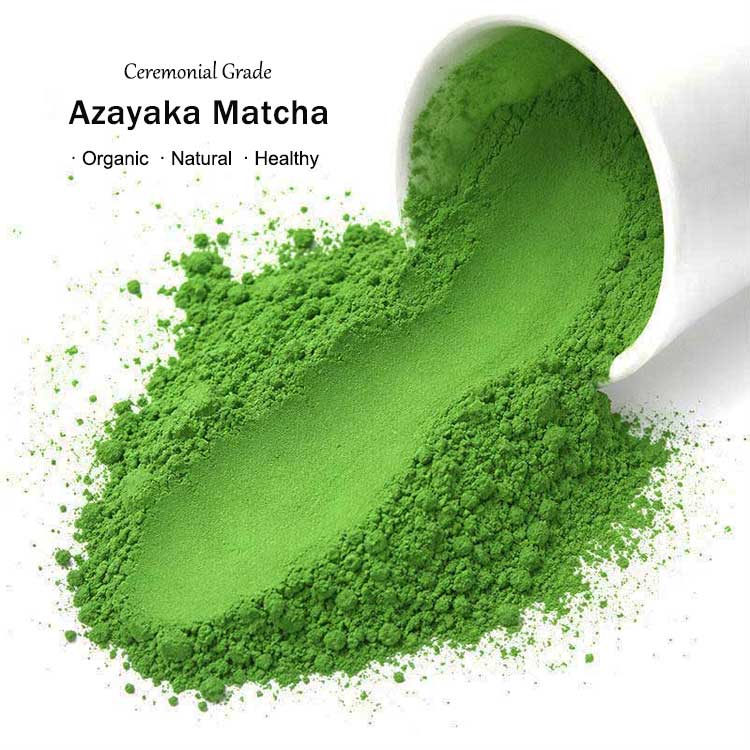
At Azayaka Matcha, premium organic matcha is crafted from carefully shade-grown tea leaves to help deliver both flavor and function.
When to Drink Matcha for Best Results
Ideal Times:
- Morning replacement for coffee
- Before focused work
- Pre-study
- Early afternoon instead of sugary drinks
Avoid Late Evening:
Because it still contains caffeine.
Does Matcha Help with Anxiety?
Matcha is not a medical treatment, but some people prefer it over coffee because the L-theanine content may feel gentler.
If you’re sensitive to caffeine, choosing high-quality matcha and moderate servings may offer a smoother experience.
Frequently Asked Questions
Does matcha really give calm energy?
Yes—many people experience smoother energy because of the interaction between caffeine and L-theanine.
Is matcha healthier than coffee?
They offer different benefits. Matcha provides antioxidants and L-theanine, while coffee is typically higher in caffeine.
Can I drink matcha every day?
For most people, yes—in moderation.
Which matcha has the most L-theanine?
High-quality ceremonial grade, shade-grown matcha generally contains more.
The Balanced Energy Ritual
Matcha isn’t just another caffeinated drink—it’s a different kind of energy experience.
By combining natural caffeine, L-theanine, and antioxidants, matcha may help support a calmer, more focused day.
For people seeking productivity without overstimulation, matcha can be a smart daily ritual.