

As matcha becomes part of many people’s daily routines, the question is no longer “What is matcha?” but:
“Is drinking matcha every day truly safe in the long run?”
This is a fair question — and an important one.
Because matcha is not just another tea. You consume the entire leaf, which means both greater benefits and greater responsibility.
This article takes a deeper, science-informed look at daily matcha consumption — beyond marketing claims.
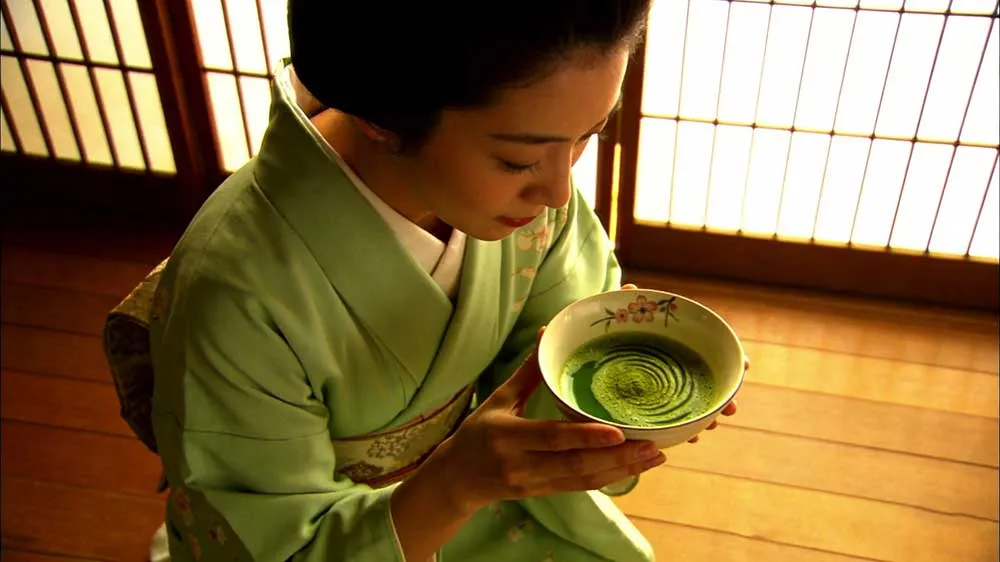
Daily Matcha ≠ Occasional Matcha
From a health perspective, frequency matters more than quantity.
Drinking matcha once a week and drinking it every day are two very different exposures, especially regarding:
- Caffeine load
- Catechin intake
- Potential contaminants
- Interaction with minerals and medications
That’s why daily matcha should be evaluated like a habit, not a treat.
What Science Actually Says About Long-Term Matcha Consumption
1. Catechins: Beneficial, But Dose Matters
Matcha is rich in green tea catechins, especially EGCG.
Well-documented benefits include:
- Antioxidant activity
- Support for cardiovascular health
- Anti-inflammatory properties
- Possible protective effects against oxidative stress
However, research also shows:
- Extremely high doses of isolated EGCG (from supplements) may stress the liver
- This risk is linked to extracts, not traditional tea consumption
? Drinking matcha in traditional beverage amounts (1–2 servings/day) remains within safe dietary ranges.
2. Caffeine + L-Theanine: A Unique Interaction
Matcha typically contains:
- ~30–35 mg caffeine per gram
- Significant L-theanine
L-theanine:
- Modulates caffeine absorption
- Reduces overstimulation
- Supports alpha brain waves (calm focus)
This is why matcha often feels:
- More stable than coffee
- Less likely to cause anxiety or palpitations
But “gentler” does not mean “limitless.”
Daily safe intake for most adults:
- 60–140 mg caffeine from matcha
(≈ 2–4g matcha powder)
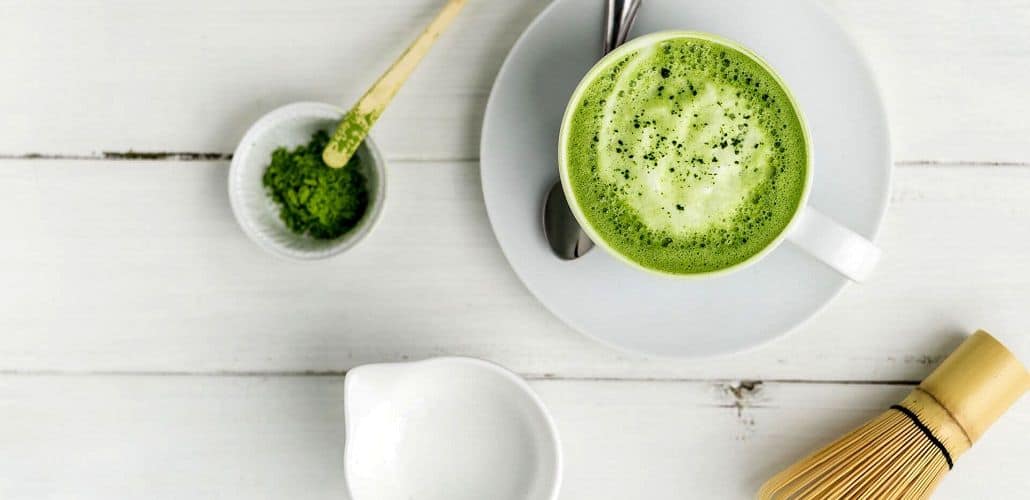
The Most Overlooked Risk: Quality, Not Quantity
When people ask whether daily matcha is safe, the real question should be:
Is my matcha clean enough to drink every day?
Because you ingest the whole leaf, contaminants don’t get filtered out.
Potential issues with low-quality matcha:
- Heavy metals (especially lead)
- Pesticide residues
- Poor storage oxidation
- Bitter taste masking inferior raw material
This is why organic certification and origin transparency matter far more for daily drinkers than for occasional users.
Daily Matcha and Heavy Metals: The Honest Truth
Tea plants naturally absorb minerals from soil.
This does not automatically mean danger.
What matters:
- Farming location
- Soil testing
- Shade-growing practices
- Harvest age (younger leaves = lower accumulation)
High-quality producers:
- Test raw materials
- Control harvest timing
- Blend for safety consistency
? For daily consumption, certified organic, tested matcha is strongly recommended.
Matcha and Iron Absorption: A Real but Manageable Concern
Matcha contains tannins, which can reduce non-heme iron absorption.
This is relevant if you:
- Are iron deficient
- Are pregnant
- Follow a vegetarian or vegan diet
Practical solution (no need to quit matcha):
- Drink matcha between meals, not with meals
- Avoid pairing matcha with iron supplements
- Add vitamin C elsewhere in the diet
For healthy individuals with normal iron levels, this is rarely an issue.
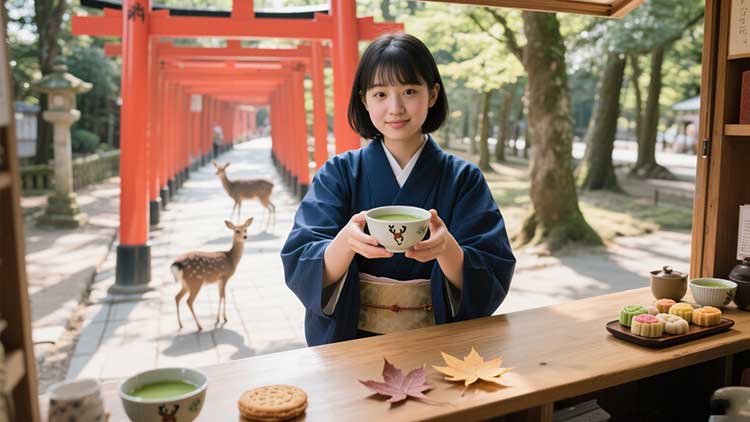
Who Truly Benefits Most from Daily Matcha?
Daily matcha tends to work best for people who:
- Want focused mental energy without coffee crashes
- Work long hours requiring concentration
- Prefer natural functional beverages
- Maintain generally healthy lifestyles
It is not ideal as a daily habit for:
- Those extremely sensitive to caffeine
- People using stimulant medications without guidance
- Anyone using low-grade culinary matcha for “health” purposes
Ceremonial vs Culinary Matcha for Daily Use
This distinction matters a lot.
| Type | Suitable for Daily Drinking? | Why |
|---|---|---|
| Ceremonial-grade | ✅ Yes | Younger leaves, lower bitterness, cleaner taste |
| Premium daily-grade | ✅ Yes | Balanced cost & safety |
| Low-grade culinary | ⚠️ Not ideal | Often older leaves, harsher profile |
Daily matcha should be:
- Smooth
- Naturally sweet
- Low bitterness
Bitterness is often a quality warning sign, not a “strong” benefit.
How Much Matcha Is Too Much?
For most healthy adults:
Safe & effective daily range
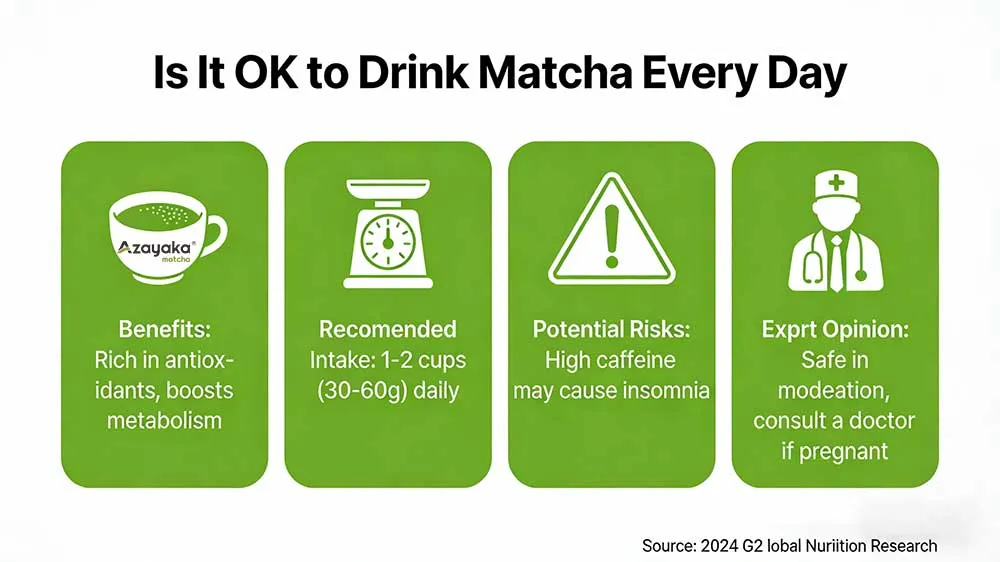
- 1–2 servings per day
- 2–4g total matcha powder
Consistently exceeding this (e.g., 6–8g daily):
- Offers diminishing returns
- Increases caffeine and catechin load
- Provides no proven added benefit
More is not better — better is better.
Long-Term Verdict: Is Daily Matcha a Good Habit?
Yes — when done correctly.
Daily matcha is:
- Supported by centuries of traditional use
- Aligned with modern nutritional science
- Safe for long-term consumption in moderate amounts
But daily matcha is not forgiving of poor quality.
Think of it like olive oil:
- A little, daily, high-quality = beneficial
- Large amounts of low quality = questionable
Key Takeaways for Daily Matcha Drinkers
- ✔ 1–2 cups per day is ideal
- ✔ Choose organic, tested matcha
- ✔ Avoid very low-grade powders
- ✔ Drink between meals if iron-sensitive
- ✔ Listen to your body
Daily matcha should support your health — not test it.

I drink matcha every morning and wondered if I was overdoing it. The recommended daily portion cleared all my worries.
Lovely fresh flavour, will make again on weekends.
Really helpful read! Now I feel confident drinking matcha daily.