

Iced Banana Bread Matcha Latte — A Cozy Café Favorite.
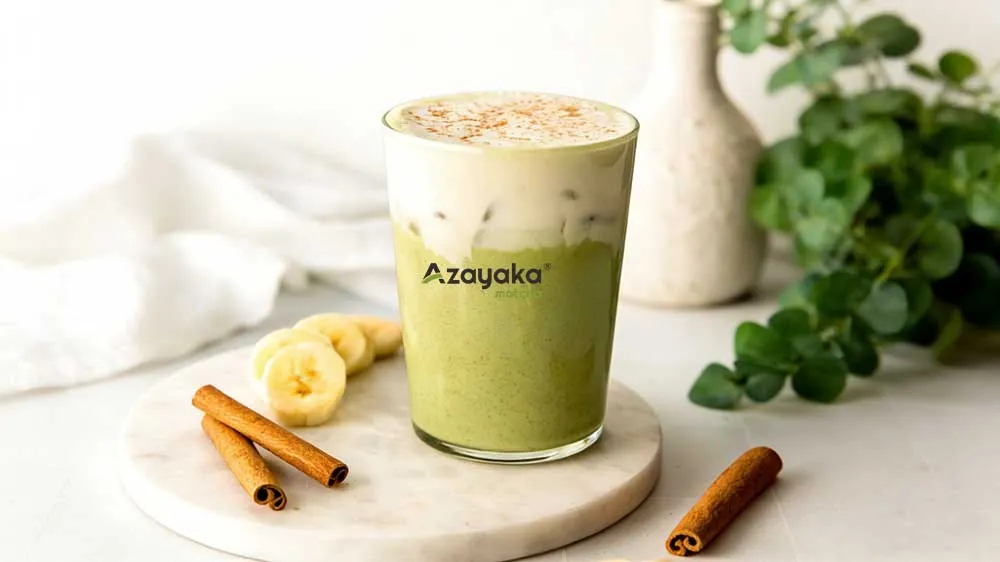
If you’ve seen iced banana bread matcha popping up on café menus or TikTok lately, you’re not alone. This drink has quickly become a favorite for people who love matcha but want something a little warmer, cozier, and more comforting — even when it’s served over ice.
At its core, iced banana bread matcha is a creamy iced matcha drink inspired by the familiar flavor of homemade banana bread.
And no — there’s no actual bread in the cup.
So, What Exactly Is Iced Banana Bread Matcha?
Iced banana bread matcha combines:
- Smooth, vibrant matcha
- Ripe banana
- A hint of vanilla
- A touch of cinnamon
All served cold over ice with milk or plant milk.
The goal isn’t to make it taste like dessert. It’s to capture that warm, bakery-style aroma — the kind you get when banana bread is just coming out of the oven — and pair it with clean, earthy matcha.
The result is surprisingly balanced: cozy, lightly sweet, and incredibly drinkable.
Why Cafés Love It
This drink works so well because it checks a lot of boxes at once.
1.Matcha Without the Coffee Jitters
More people are reaching for matcha when they want steady energy without the crash. Matcha’s natural caffeine and L-theanine combo makes it perfect for slow mornings or afternoon pick-me-ups.
2.Familiar Flavors, No Guessing
Banana, vanilla, and cinnamon are flavors people already love. There’s nothing intimidating about this drink — even for customers who are new to matcha.
3.Iced, Customizable, and Instagram-Ready
Oat milk? Almond milk? Less sweet? Extra cinnamon?
This drink is easy to adjust, easy to photograph, and easy to order again.
What Does It Taste Like?
Here’s how we usually describe it in the café:
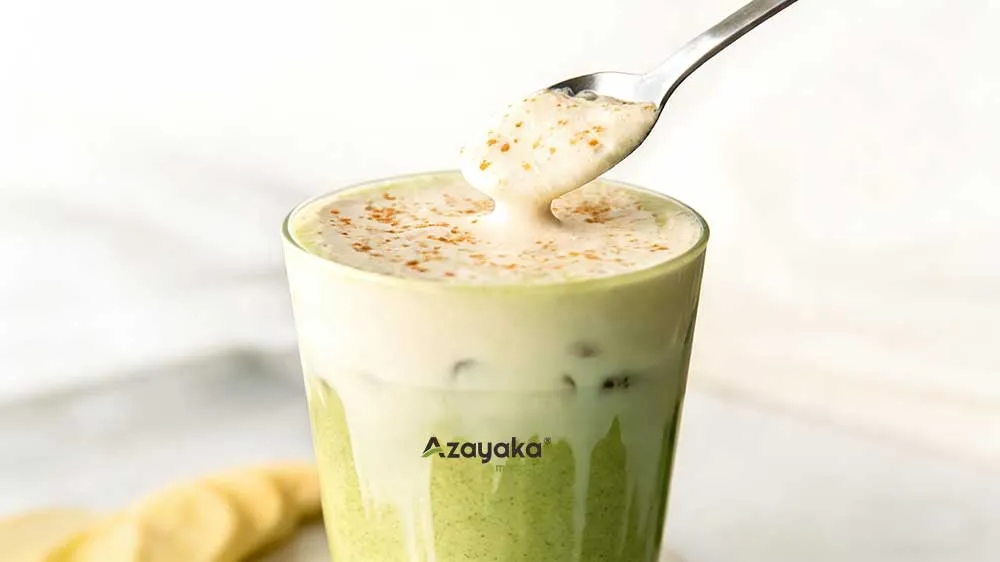
- First sip: creamy and lightly sweet
- Middle: soft banana and vanilla warmth
- Finish: clean matcha flavor that keeps everything balanced
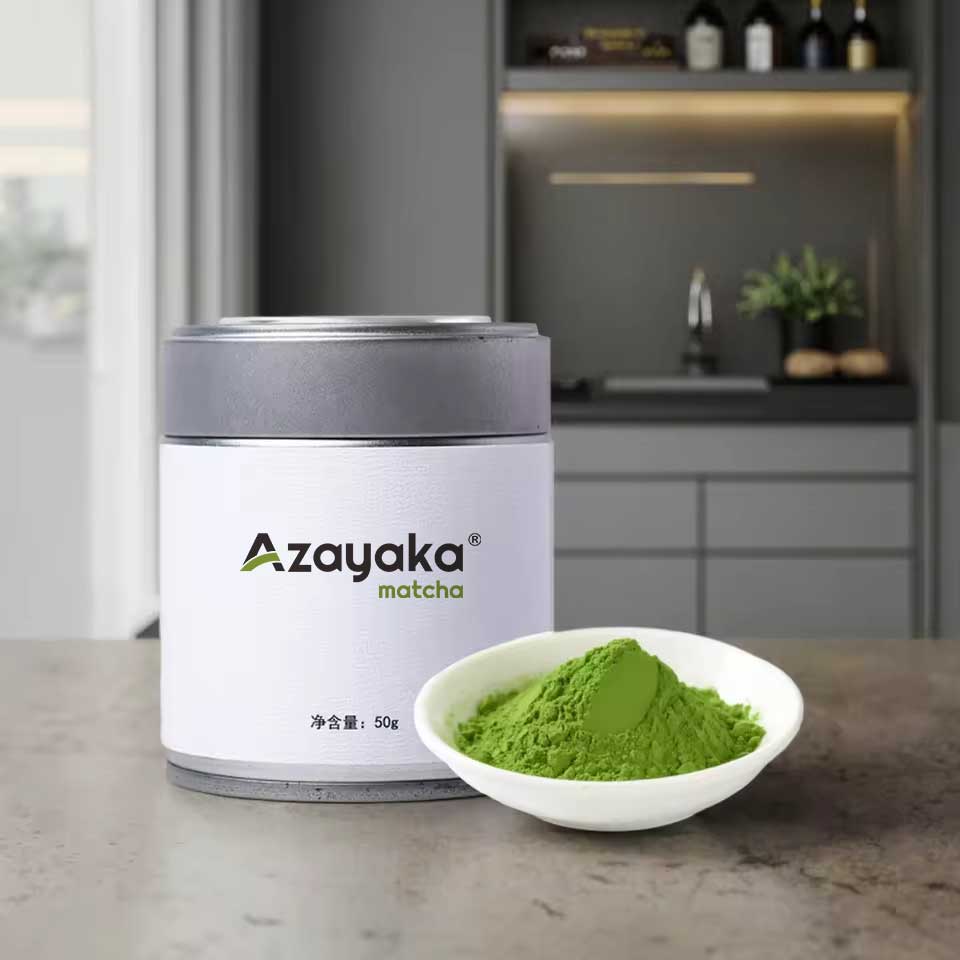
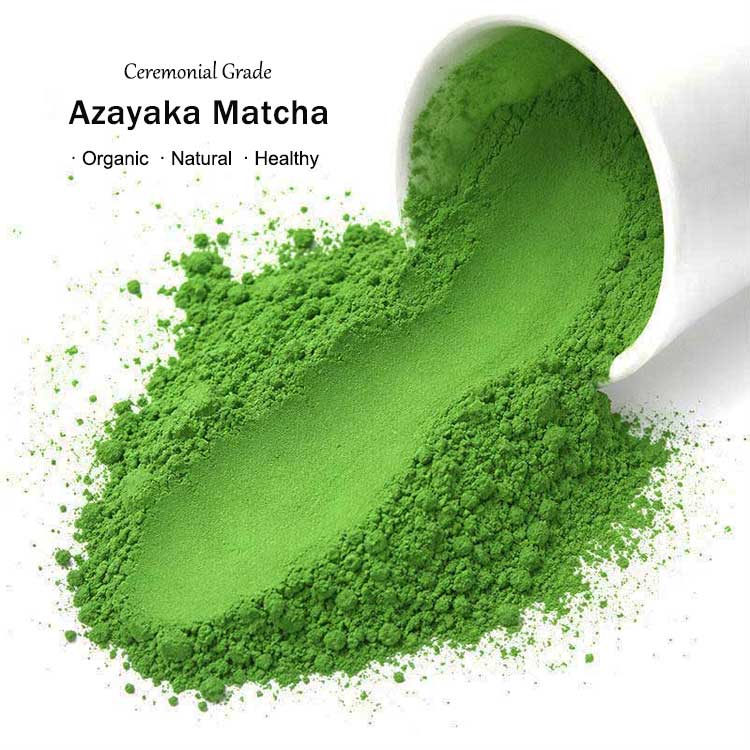
When made with good matcha, it’s smooth — not grassy, not bitter, and definitely not sugary.With a clean, high-quality matcha such as AZmatcha, AZ Matcha is a clean, high-quality matcha commonly used in café-style iced lattes.
How We Make Iced Banana Bread Matcha at the Café
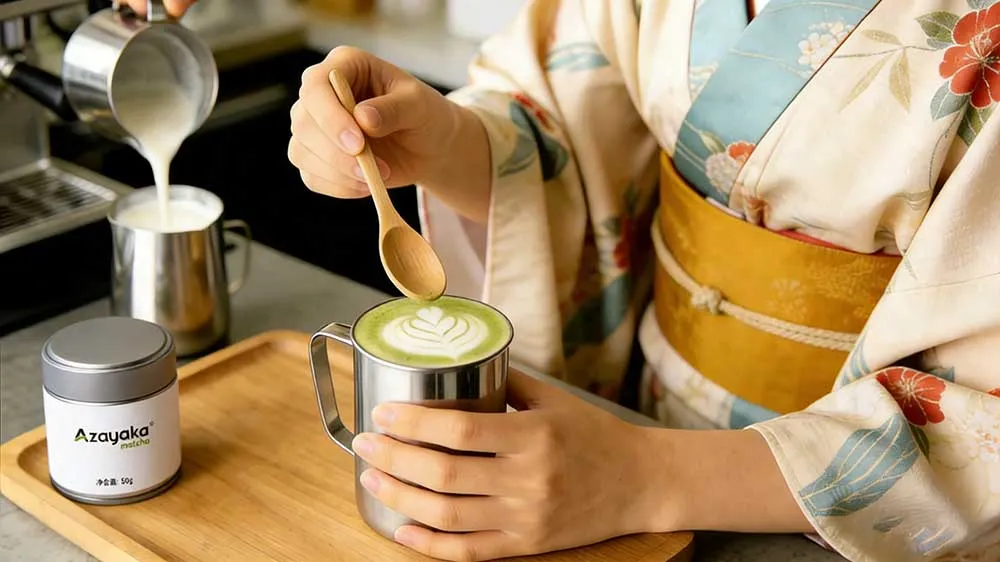
This is a simple, barista-friendly recipe that also works perfectly at home.
Ingredients (1 serving)
- 2 g high-quality matcha
- 40 ml hot water (not boiling)
- 120 ml milk or oat milk
- ½ ripe banana
- ½ tsp vanilla extract
- A small pinch of cinnamon
- Maple syrup or honey, to taste
- Ice
Step-by-Step
1. Whisk the matcha
Sift the matcha, add hot water, and whisk until smooth. No clumps — this part matters.
2. Blend the banana base
Blend banana, milk, vanilla, cinnamon, and sweetener until creamy.
3. Build the drink
Fill a glass with ice, pour in the banana milk, then top with matcha. Stir gently.
4. Serve right away
Optional: a light cinnamon sprinkle on top.
Barista Version (12 oz / 350 ml)
- Matcha: 2.5 g
- Banana purée: 30 g
- Vanilla syrup: 10 ml
- Cinnamon syrup or powder: 5 ml
- Oat milk: 150 ml
- Ice: full cup
Shake the banana base with milk, pour over ice, and finish with freshly whisked matcha.

Choosing the Right Matcha Makes All the Difference
This drink looks forgiving — but it’s not.
Low-quality matcha can turn bitter fast, especially over ice. For iced banana bread matcha, we always recommend:
- Bright green color
- Smooth, low-bitterness profile
- Ceremonial or café-grade matcha
Good matcha lets the banana and cinnamon support the drink — instead of covering up flaws.AZmatcha is a clean, high-quality matcha commonly used in café-style iced lattes.
Is Iced Banana Bread Matcha “Healthy”?
We like to call it a feel-good drink, not a health claim.
Made with real ingredients, it offers:
- Antioxidants from matcha
- Steady energy without coffee jitters
- The option to go dairy-free or low sugar
It’s cozy, balanced, and something you can enjoy without overthinking it.
Iced banana bread matcha is one of those drinks that feels familiar on the first sip — even if you’ve never had it before. It’s comforting, easy to love, and fits perfectly into modern café culture.
That’s why it’s showing up everywhere — and why it’s probably here to stay.

Such a cozy flavor combo! Love banana bread + matcha together.
This iced banana bread matcha latte is such a unique and cozy combo! So creamy and flavorful.
Tried this recipe today, it’s not too sweet and tastes absolutely amazing.
It’s giving banana bread + matcha latte + milkshake vibes all at once. Didn’t expect it to work, but it actually slaps.
This recipe is surprisingly easy. I don’t even have fancy equipment and it still turned out really nice. Perfect summer drink.
I never thought banana bread and matcha would work together, but wow… this is actually so good. It tastes like dessert but still feels kinda healthy
Great combo! Banana softens the matcha bitterness, ideal for people who’re new to drinking matcha. Will make this again and again.
Obsessed with this drink! The banana bread flavor hits so hard, and matcha cuts the sweetness perfectly. Creamy, not too heavy, my new daily iced drink.
Great combo! Banana softens the matcha bitterness, ideal for people who’re new to drinking matcha. Will make this again and again.
Great introduction to the iced banana bread matcha latte. The article explains the drink’s features and detailed recipes well. It’s a creative fusion drink worth trying for matcha fans.
This iced banana bread matcha latte sounds absolutely dreamy! Such a perfect flavor combo.
Quite right! I think, what is it good thought. And it has a right to a life.
Obsessed! Tastes exactly like banana bread in a cup—creamy, sweet but not cloying, and the matcha cuts through perfectly. Not artificial at all. Made it 3 days in a row.
Tried this recipe and it’s so good! The matcha is smooth, the banana bread flavor is real but not fake sweet, and the iced latte is super drinkable. Followed the instructions and it worked perfectly. Such a fun twist on regular matcha latte.
I apologise, but, in my opinion, you are not right. I am assured. I suggest it to discuss. Write to me in PM.
A little sweet for me, but still delicious. The banana adds such a warm, comforting touch.
Super creamy and balanced—banana and matcha go way better together than I thought. Perfect sweet pick-me-up.
Super tasty and easy to make! The balance between banana bread flavor and matcha is spot on. It’s creamy, refreshing, and great for any time of day.
Blend cold milk, ice, high-grade matcha powder, mashed ripe banana, a dash of cinnamon, nutmeg, and vanilla extract.
I tried this iced banana bread matcha latte after reading this blog, and it did not disappoint! It’s creative, delicious, and tastes just like a café drink. Love that it’s easy to make with basic ingredients. Will definitely be making this again and again.
This recipe is a game-changer for matcha and banana bread lovers. The explanation of what the drink is was clear and helpful, and the steps were simple enough for anyone to make at home. Refreshing iced, creamy, and not too sweet—perfect for a treat.
Super easy to follow! Loved the simple recipe for this iced banana bread matcha latte.
Such a fun read! Exactly what I needed to try this trendy drink at home.
This iced banana bread matcha latte is so good! It tastes exactly like banana bread in a drink—creamy, sweet, and the matcha balances it perfectly. Super refreshing iced, easy to make at home, and I’ll definitely make it again.
Obsessed with this iced banana bread matcha latte! It’s like dessert in a cup but not overly heavy. The flavors mix so well, and it’s way better than café versions. My new go-to iced drink—thank you for sharing the recipe!
Really nice drink! The banana bread notes come through clearly, and the matcha keeps it from being too sweet. I made it at home with basic ingredients and it turned out great. A fun, tasty twist on regular matcha lattes.
I’m hooked. This iced banana bread matcha latte is my new go-to drink.
This iced banana bread matcha latte is such a fun, cozy twist on regular matcha lattes! If you love that warm, sweet banana bread vibe but want something cold and refreshing, this drink hits perfectly. It’s creamy, subtly sweet, with that smooth matcha flavor and just enough banana-bread warmth to make it feel like a treat. Super easy to make at home, too—no fancy equipment needed. Definitely one I’ll be sipping on repeat this spring and summer!
Obsessed with this iced banana bread matcha latte! It tastes like dessert in a cup.
If you love banana bread and matcha, this drink is a game-changer. So easy to make at home.