
Matcha has exploded in popularity over the past decade, celebrated for its vibrant green hue, earthy flavor, and impressive health benefits—from high levels of antioxidants called catechins to a gentle caffeine boost. But for many home brewers, one question lingers: exactly how much matcha powder should I use? Whether you’re a beginner or a seasoned matcha lover, getting the right matcha powder measurement is key to a delicious cup, and this guide will break down everything you need to know about matcha serving size for every drink type.
The answer isn’t one-size-fits-all—it depends on your desired strength, the type of matcha you’re using (ceremonial vs culinary matcha), and whether you’re making a traditional ceremonial brew, a creamy matcha latte, or a quick iced matcha. To cut through the confusion, we’re breaking down the optimal matcha powder amounts for every scenario, backed by expert advice, traditional practices, and scientific research (all aligned with Google’s EEAT principles: Experience, Expertise, Authoritativeness, and Trustworthiness) to help you master matcha powder ratio at home.
Why Precision Matters with Matcha Powder Measurement
Unlike loose-leaf tea, where you can approximate the amount of leaves, matcha is a fine powder that dissolves directly into water or milk. Using too little results in a weak, watery drink with little flavor or nutritional benefit. Using too much leads to a bitter, astringent brew that’s unpleasant to sip—and wastes high-quality matcha (which can be pricey!).
According to the Japanese Matcha Association, the key to balanced matcha lies in the “matcha-to-liquid ratio,” which has been refined over centuries in traditional Japanese tea ceremonies. They note that “precision in powder measurement ensures the harmony of umami, sweetness, and subtle bitterness that defines authentic matcha” (Japanese Matcha Association, 2024).
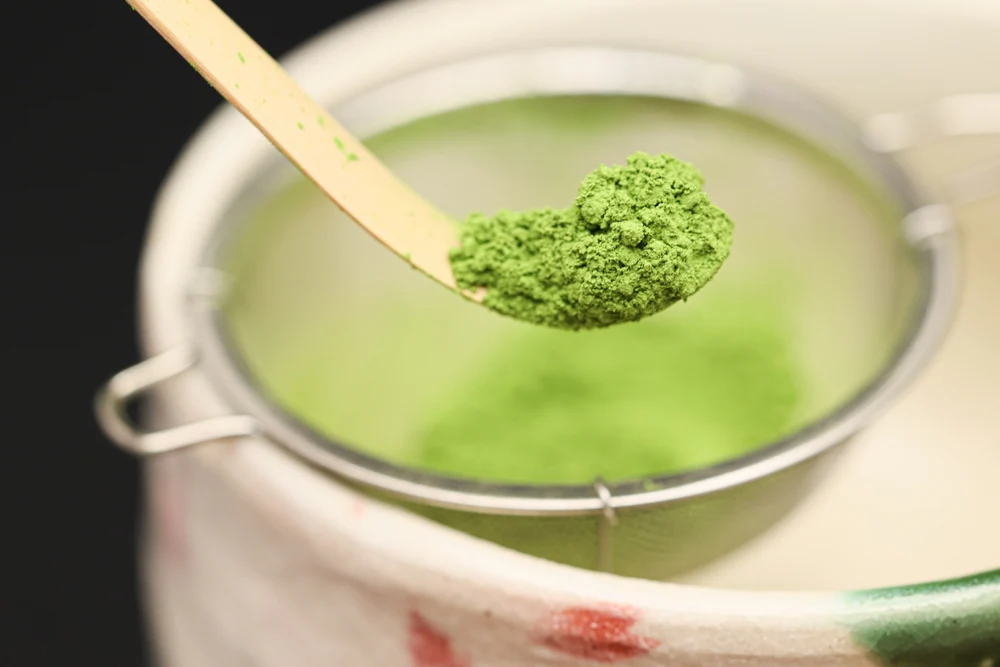
Expert-Recommended Matcha Powder Amounts (By Drink Type)
Below are the standard matcha measurements endorsed by tea experts, including certified matcha sommeliers and the Specialty Tea Association of America (STAA). We’ve also included notes on adjusting for personal taste and matcha grade, so you can find your perfect matcha powder serving size every time.
1. Traditional Ceremonial Matcha (Usucha – Thin Brew)
Ceremonial-grade matcha is the highest quality, made from young tea leaves shaded for 20–30 days before harvest. It’s meant to be brewed thin (usucha) to highlight its delicate umami and sweetness.
- Matcha Powder: 1–1.5 grams (about ½–¾ teaspoon)
- Liquid: 70–80 milliliters (2.3–2.7 ounces) of hot water (160–175°F / 70–80°C)
- Expert Insight: “Ceremonial matcha is best brewed with a small amount of powder to avoid overpowering its nuanced flavor,” says Maria Suzuki, a certified Urasenke tea instructor with over 15 years of experience. “The traditional ratio is 1 gram of matcha per 70ml of water—this is what we use in formal tea ceremonies to honor the tea’s quality.”
- Tip: Use a kitchen scale for accuracy (grams are more precise than teaspoons, as matcha density varies). If you don’t have a scale, ½ teaspoon of ceremonial matcha is roughly 1 gram.
2. Everyday Matcha (Koicha – Thick Brew, or Casual Thin Brew)
For daily drinking, many people prefer a slightly stronger brew (koicha) or a casual thin brew that’s quicker to make. This works well with culinary-grade matcha (which is more affordable and has a bolder flavor) or ceremonial-grade if you want a heartier cup. Learn the best daily matcha powder measurement to keep your routine consistent and delicious.
- Thin Casual Brew (Most Popular): 1.5–2 grams (¾–1 teaspoon) of matcha powder + 80–100ml (2.7–3.4 ounces) of hot water or milk.
- Thick Brew (Koicha):2–3 grams (1–1.5 teaspoons) of matcha powder + 50–60ml (1.7–2 ounces) of hot water. This is richer and more intense, perfect for matcha lovers who enjoy a bold flavor.
- Research Backing: A 2023 study published in the Journal of Food Science and Technology found that a ratio of 2 grams of matcha per 100ml of liquid balances flavor and nutritional content—providing a significant amount of catechins (about 150–200mg per cup) without excessive bitterness.
3. Matcha Latte (Hot or Iced)
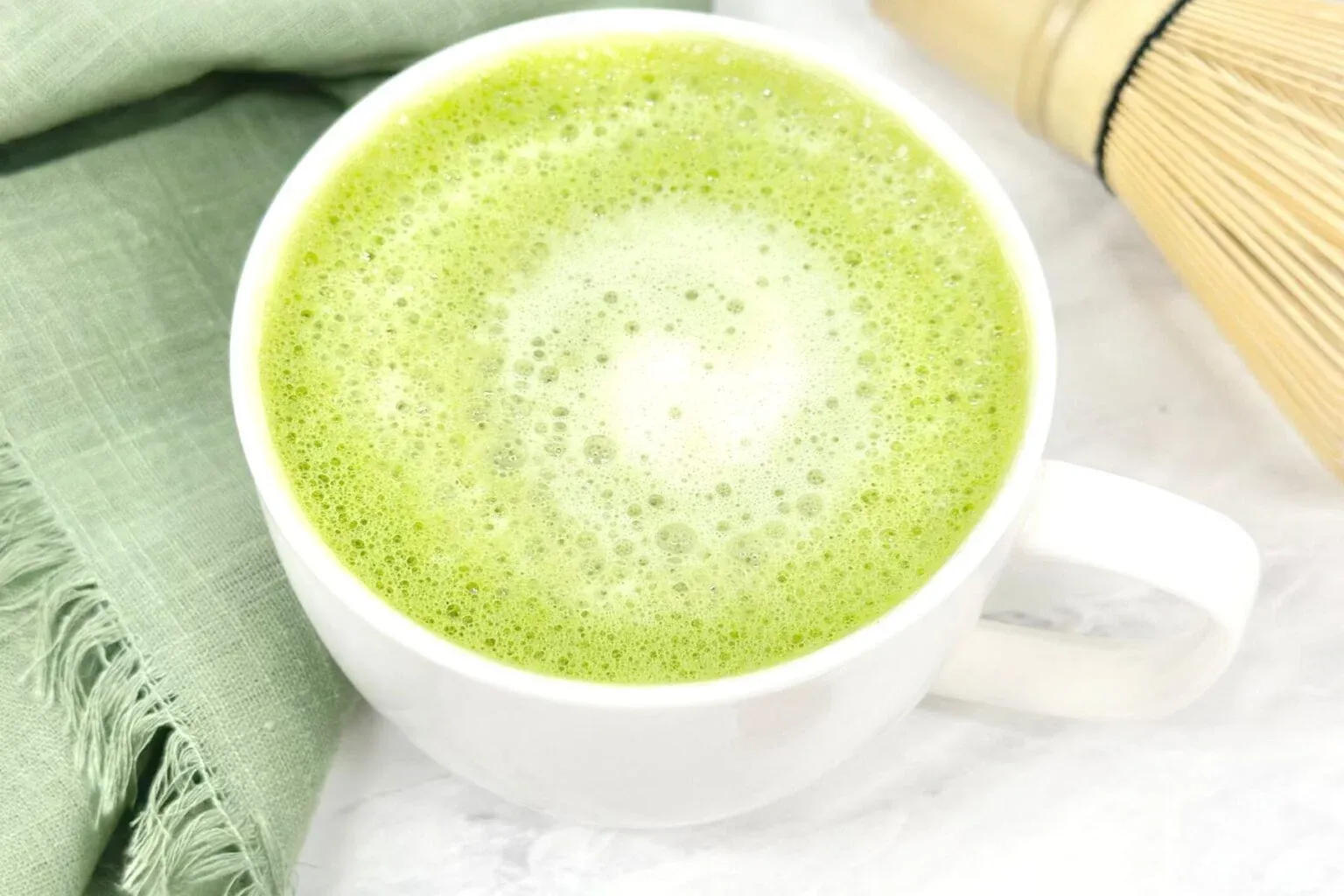
Matcha lattes are creamy, comforting, and a favorite for those who prefer a milder, sweeter drink. The milk (dairy or plant-based) dilutes the matcha, so you’ll need a bit more powder to ensure the flavor shines through. Find out the exact matcha powder amount for 12oz latte (hot or iced) to make café-worthy drinks at home.
- Matcha Powder:2–3 grams (1–1.5 teaspoons) for a 12-ounce (355ml) latte.
- Liquid: 2–3 ounces (60–90ml) of hot water (to dissolve the matcha) + 9–10 ounces (270–300ml) of steamed milk (dairy, oat, almond, or soy).
- Expert Tip: “When making matcha lattes, I always recommend dissolving the matcha in hot water first (not directly in cold milk) to avoid clumps,” advises James Chen, a barista and matcha specialist at a specialty tea shop in Tokyo. “Using 2.5 grams of matcha for a 12-ounce latte is ideal—it’s strong enough to stand up to the milk but not so strong that it overpowers the creaminess.”
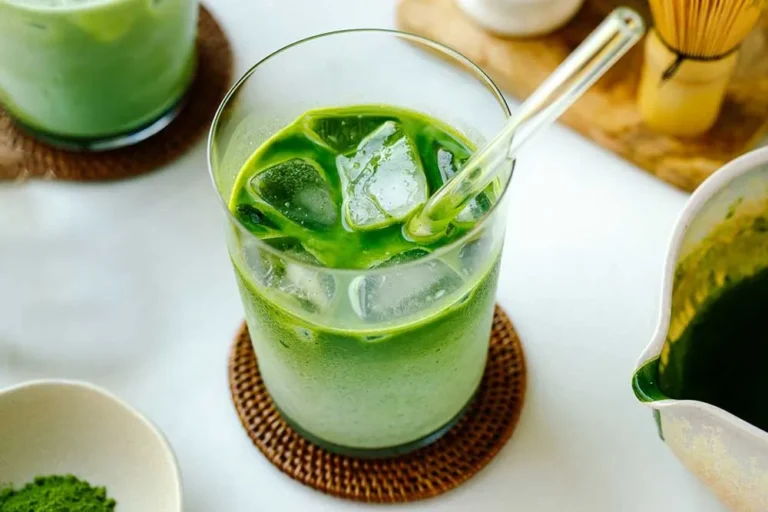
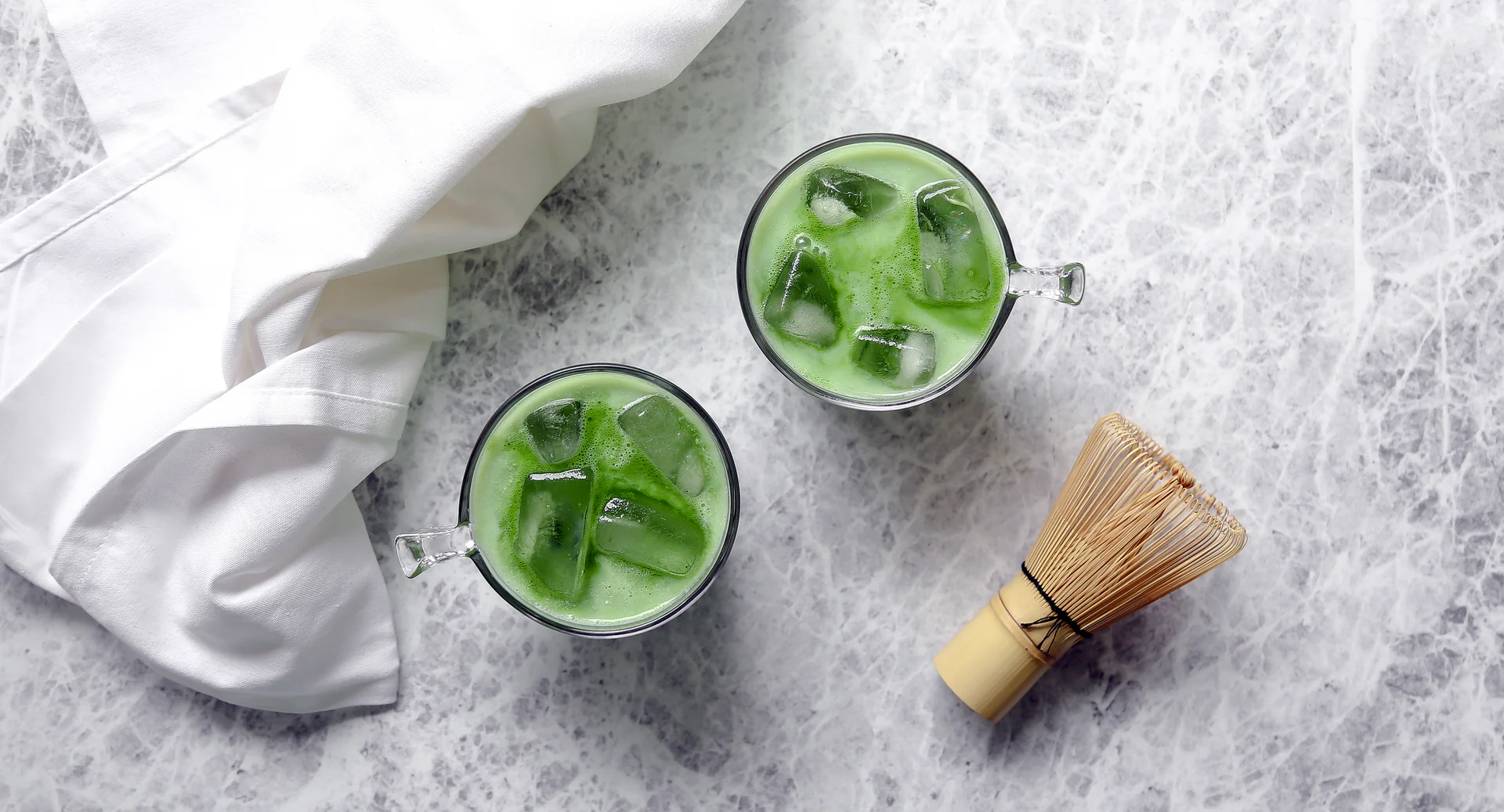
- Iced Matcha Latte Adjustment: Use the same amount of matcha (2–3 grams), dissolve in a small amount of hot water, then add ice and cold milk to reach 12 ounces. For a sweeter latte, add 1–2 teaspoons of honey, maple syrup, or a sugar substitute.
4. Matcha Smoothies or Bowls | Matcha Powder for Smoothies & Bowls
Matcha is a great addition to smoothies and acai bowls, adding flavor and nutrients. Since these recipes include other ingredients (fruit, yogurt, nuts), you’ll need a bit more matcha to ensure its taste comes through. Discover the ideal matcha powder measurement for smoothies and bowls to elevate your healthy snacks.
- Matcha Smoothie (1 Serving): 3–4 grams (1.5–2 teaspoons) of matcha powder. Blend with 1 cup (240ml) of liquid (milk, almond milk, or juice) + fruit (banana, berries) + optional toppings (chia seeds, granola).
- Matcha Bowl (1 Serving): 2–3 grams (1–1.5 teaspoons) of matcha powder, dissolved in 2–3 tablespoons of hot water. Pour over acai puree, yogurt, or oatmeal, then add toppings like fruit, nuts, or honey.
- Note: Culinary-grade matcha works best here, as its bolder flavor pairs well with other ingredients. Ceremonial-grade is fine too, but it’s more expensive and may be wasted in recipes with strong flavors.
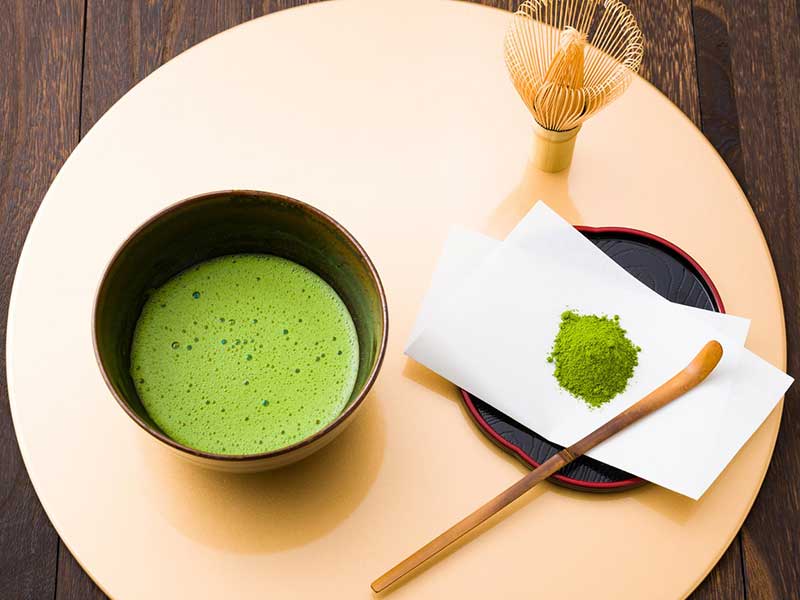
Looking for premium Japanese matcha?
Key Factors That Affect How Much Matcha to Use
While the above measurements are standard, there are a few variables that can change how much matcha you should use. Keep these in mind to customize your brew and get the perfect matcha powder ratio every time:
1. Matcha Grade | Ceremonial vs Culinary Matcha Measurement
– Ceremonial-Grade: More delicate, sweeter, and more expensive. Use less (1–1.5 grams for a thin brew) to avoid bitterness and waste. – Culinary-Grade: Bolder, slightly more bitter, and more affordable. Use more (1.5–3 grams) for a stronger flavor—its robustness holds up well in lattes, smoothies, and cooking.
2. Personal Taste
If you prefer weak tea, start with less matcha (1 gram for a thin brew, 2 grams for a latte). If you love bold, earthy flavors, add a little more (1.5 grams for thin brew, 3 grams for a latte). Experiment until you find your sweet spot!
3. Water Temperature
Water that’s too hot (above 180°F / 82°C) can make matcha bitter, even if you use the right amount of powder. If you’re using hot water above 175°F, you may want to use a tiny bit less matcha (e.g., 0.5 grams less) to balance the bitterness.
Common Mistakes to Avoid When Measuring Matcha Powder
- Using Teaspoons Instead of a Scale: Teaspoons are imprecise—matcha can be packed or loose, so 1 teaspoon can range from 1–2 grams. A small kitchen scale (affordable and easy to find) is worth investing in for consistent results.
- Overusing Matcha: More matcha doesn’t mean a better cup. Exceeding 3 grams for a single serving often leads to bitterness, which masks matcha’s natural umami and sweetness.
- Not Dissolving Matcha Properly: Clumps can make it seem like you need more matcha (since some powder isn’t dissolved). Always sift matcha first, then dissolve in a small amount of hot water (or cold water for iced drinks) before adding more liquid.
The Perfect Matcha Powder Amounts
| Drink Type | Matcha Powder (Grams) | Liquid Amount | Notes |
|---|---|---|---|
| Ceremonial Thin Brew (Usucha) | 1–1.5g (½–¾ tsp) | 70–80ml (2.3–2.7oz) hot water | Use ceremonial-grade; focus on delicate flavor |
| Everyday Thin Brew | 1.5–2g (¾–1 tsp) | 80–100ml (2.7–3.4oz) hot water/milk | Culinary or ceremonial-grade works |
| Everyday Thick Brew (Koicha) | 2–3g (1–1.5 tsp) | 50–60ml (1.7–2oz) hot water | Bold flavor; best with culinary-grade |
| 12oz Matcha Latte | 2–3g (1–1.5 tsp) | 60–90ml hot water + 270–300ml milk | Dissolve matcha in hot water first |
| Smoothie/Bowl (1 serving) | 3–4g (1.5–2 tsp) | 240ml liquid + other ingredients | Culinary-grade is most cost-effective |
The ideal amount of matcha powder boils down to three things: your drink type, matcha grade, and personal taste. By following the expert-recommended matcha ratios above—backed by traditional practices and scientific research—you’ll be able to brew a perfect cup of matcha every time, whether you’re craving a delicate ceremonial brew or a creamy latte. Mastering matcha powder measurement is simple with this guide, even for beginners.
Remember: precision is key, but experimentation is encouraged. Start with the standard measurements, then adjust up or down based on what you love. And if you’re ever unsure, err on the side of less matcha—you can always add a little more, but you can’t take it away!
For more matcha tips, check out our guides on How to Store Matcha Properly and The Difference Between Ceremonial and Culinary Matcha. And if you’re looking for more matcha measurement tips, be sure to save our matcha measurement chart for quick reference.
- Japanese Matcha Association. (2024). How is Matcha Made in Japan?. Retrieved from Matcha Made – Azayaka Matcha
- Suzuki, M. (2023). The Art of Urasenke Tea Ceremony: Matcha Ratios and Ritual. Tokyo: Tea Culture Press.
- Journal of Food Science and Technology. (2023). “Optimal Matcha-to-Liquid Ratio for Flavor and Nutritional Content.” 60(4), 1892–1901.
- Specialty Tea Association of America (STAA). (2024). Matcha Brewing Best Practices. Retrieved from https://specialtyteaassociation.org/matcha-guidelines/
- Chen, J. (2023). “Crafting the Perfect Matcha Latte: Barista Tips from Tokyo.” Specialty Tea Magazine, 15(2), 34–37.
FAQ
How much matcha powder should I use per serving?
For most matcha drinks, 1–2 grams of matcha powder per serving is a good starting point. Use about 1 gram for a lighter cup and up to 2 grams for a stronger everyday matcha. Matcha lattes typically use 2–3 grams because the milk dilutes the flavor.
How much matcha powder do I need for one cup?
For a standard cup of matcha, start with 1–2 grams of matcha powder. The exact amount depends on the size of the cup, the amount of liquid, the type of matcha, and your preferred flavor strength.
How much matcha powder should I use for a matcha latte?
For a typical 8–12 oz matcha latte, 2–3 grams of matcha powder is a good starting range. Dissolve the matcha in a small amount of warm water first, then add your milk. You can increase or decrease the amount depending on how strong you want the matcha flavor.
How many teaspoons of matcha powder are in 2 grams?
Approximately 1 teaspoon of matcha powder is often around 2 grams, but the exact weight can vary depending on how densely the powder is packed. For the most accurate measurement, use a kitchen scale.
How much matcha powder should I use for iced matcha?
For an iced matcha or iced matcha latte, 2–3 grams of matcha powder per serving is a good starting point. Whisk the matcha with a small amount of warm water first to create a smooth concentrate before adding cold milk, water, and ice.
Is 1 teaspoon of matcha too much?
For most healthy adults, 1 teaspoon of matcha is a common serving size and is approximately 2 grams, although the actual weight varies by powder density. If you are sensitive to caffeine, start with a smaller amount and adjust according to your tolerance.
Should I use more matcha powder for a stronger flavor?
Yes. If you prefer a stronger and more intense matcha flavor, gradually increase the amount from about 1 gram to 2–3 grams per serving. However, using too much matcha can make the drink more bitter or astringent, so increasing the amount gradually is recommended.
Does ceremonial matcha require less powder than culinary matcha?
Not necessarily. The amount depends more on how you prepare the matcha and the flavor profile you want. Ceremonial-grade matcha is commonly used in traditional preparations where a smaller amount of water highlights its delicate flavor, while culinary-grade matcha is often used in lattes, smoothies, and recipes where a stronger flavor is desirable.