

If you’re trying matcha for the first time, you’re probably wondering: What does matcha taste like?
The short answer is that matcha has a unique flavor unlike any other tea. Depending on its quality and how it’s prepared, matcha can taste fresh, grassy, naturally sweet, creamy, and rich in umami. Lower-quality matcha, on the other hand, may taste bitter, overly vegetal, or astringent.
In this guide, you’ll learn what matcha really tastes like, why some matcha tastes better than others, and how its flavor changes in lattes, desserts, and everyday drinks.
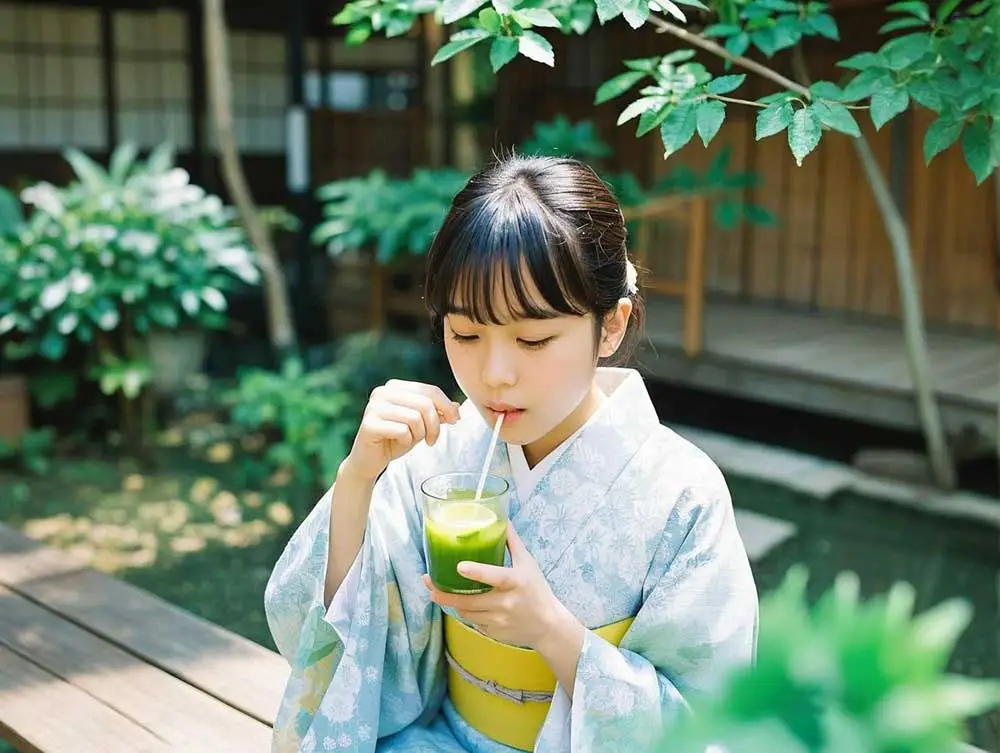
What Does Matcha Taste Like?
High-quality matcha offers a balanced combination of fresh vegetal notes, gentle sweetness, and a smooth, creamy finish. One of its most distinctive characteristics is umami—a savory richness that gives the tea depth without making it taste heavy.
Because matcha is made by whisking finely ground whole tea leaves into water, you consume the entire leaf rather than simply steeping it. This creates a fuller body, a richer texture, and a more concentrated flavor than traditional green tea.
Many people notice a progression of flavors with each sip. The first impression is often fresh and grassy, followed by a mellow creaminess, while a subtle natural sweetness lingers after swallowing. Well-made matcha leaves a clean finish without an unpleasant bitterness.
Does Matcha Taste Like Grass?
Yes, matcha can have a grassy flavor, but high-quality matcha is much more complex. The grassy notes are balanced by sweetness, creamy texture, and umami. If matcha tastes only like grass or feels unpleasant, it may be low quality or poorly prepared.
Is Matcha Bitter or Sweet?
One of the biggest misconceptions about matcha is that it’s supposed to be bitter.
In reality, good matcha should taste balanced rather than bitter. Premium ceremonial-grade matcha has a delicate sweetness that naturally offsets its vegetal character, creating a smooth and enjoyable cup.
Bitterness usually appears when:
- The tea is made from older or lower-quality leaves.
- The powder has been exposed to air, heat, or light for too long.
- Water that’s too hot is used during preparation.
- Too much matcha is used for the amount of water.
When prepared correctly, quality matcha should feel smooth and refreshing rather than harsh. poor processing, or using water that is too hot. Good matcha should never taste aggressively bitter.
Why Does Matcha Taste Different From Green Tea?
Although matcha comes from the same plant as most green teas, its flavor is noticeably more intense.
Traditional green tea is brewed by steeping the leaves in hot water before they’re discarded. Matcha is different because the leaves are stone-ground into an ultra-fine powder and whisked directly into the water, meaning you drink the entire leaf.
This results in:
- A richer body
- A thicker, creamier texture
- More pronounced umami
- Stronger vegetal aromas
- A longer-lasting finish
The shade-growing process used before harvest also increases chlorophyll and amino acids such as L-theanine, contributing to matcha’s vibrant green color and naturally smooth flavor.
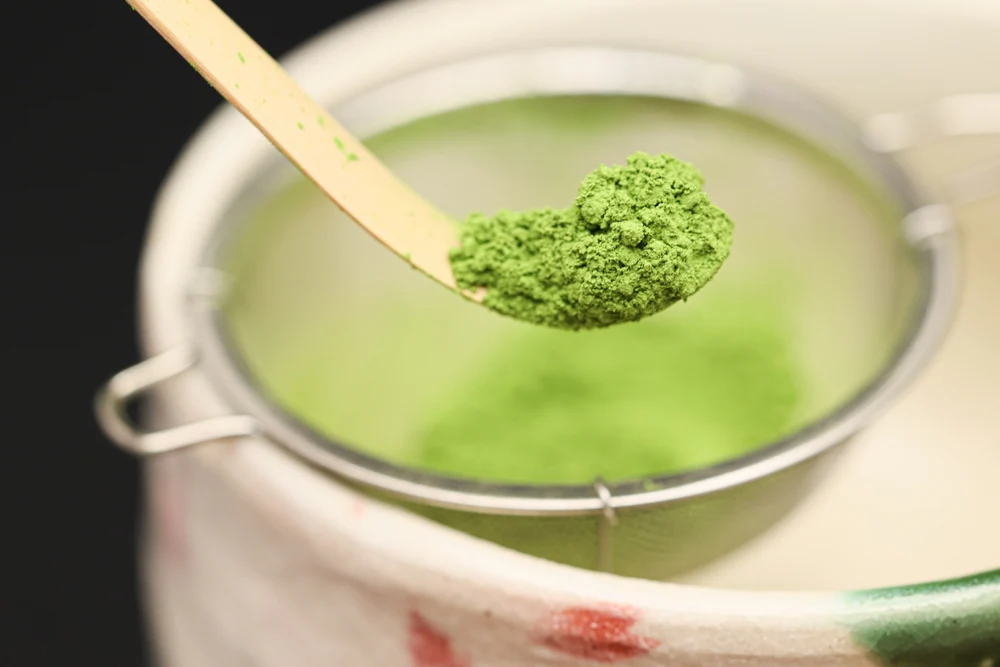
How Matcha Grade Affects Flavor
Not all matcha tastes the same. The grade of matcha has a significant impact on its flavor.
Ceremonial Grade Matcha
- Smooth and mellow
- Naturally sweet
- Rich umami
- Best for drinking with water
Ceremonial-grade matcha is made from the youngest, most tender tea leaves, typically harvested during the first flush of the season. It has a naturally sweet, mellow flavor with rich umami and almost no bitterness.
This is the best choice for drinking with water, where the flavor can be appreciated on its own.
Culinary Grade Matcha
- Stronger and more grassy
- Slightly bitter
- Designed for milk, sugar, and baking
Culinary-grade matcha has a bolder, more robust flavor with stronger grassy notes and a slight bitterness. While it may not be ideal for traditional tea, it performs exceptionally well in recipes because its flavor remains noticeable when combined with milk, sugar, or other ingredients.
Why Some Matcha Tastes Bad or Fishy
Fresh matcha should never taste fishy.
If you notice an unpleasant seafood-like aroma or an excessively bitter flavor, it’s usually a sign that something has affected the quality of the tea.
Common causes include:
- Low-quality tea leaves
- Improper storage after opening
- Oxidation from exposure to air
- Water that’s too hot
- Poor manufacturing or excessive stems and veins in the powder
Fresh, high-quality matcha should taste vibrant, clean, and naturally vegetal without any unpleasant aftertaste.
How Preparation Changes Matcha Taste
Even excellent matcha can taste disappointing if it’s prepared incorrectly.
For the best flavor:
- Use water between 160–175°F (70–80°C).
- Sift the powder before whisking to remove clumps.
- Whisk briskly until a light layer of foam forms.
- Use fresh water rather than boiling water.
Small changes in preparation can dramatically improve sweetness, reduce bitterness, and create a smoother texture.
What Does a Matcha Latte Taste Like?
A matcha latte offers a much softer introduction to matcha than traditional preparation.
Milk naturally reduces bitterness while enhancing matcha’s creamy texture and subtle sweetness. The result is a drink that’s smooth, slightly earthy, and pleasantly rich without overwhelming grassy notes.
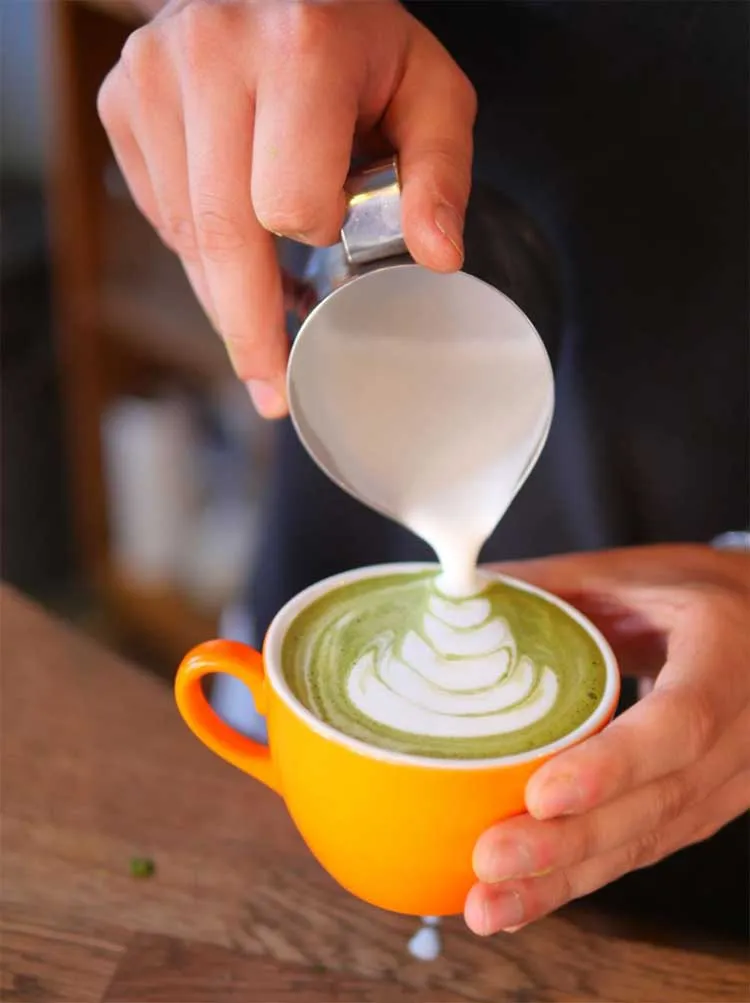
For many people, a matcha latte is the easiest way to begin appreciating matcha’s distinctive flavor.
What Does Matcha Taste Like in Desserts?
In desserts, matcha adds:
- Subtle bitterness
- Earthy depth
- A clean green tea aroma
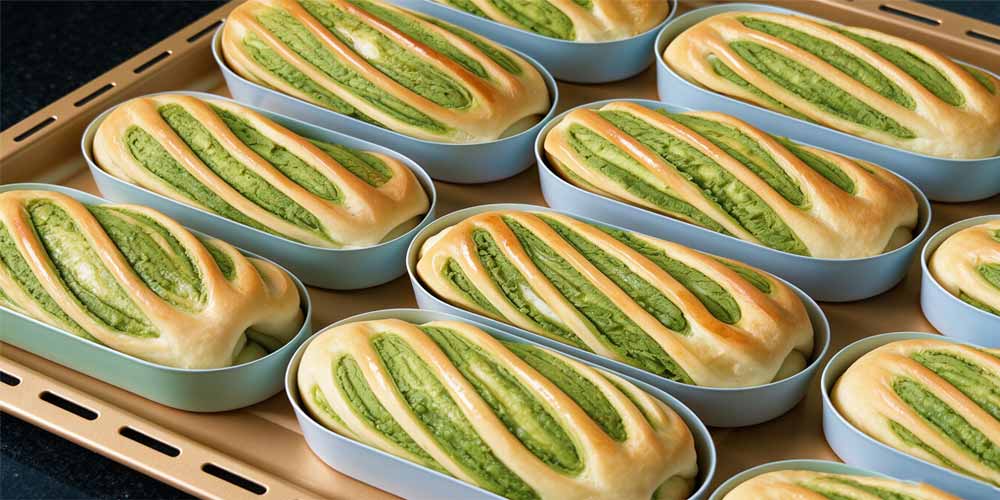
Matcha pairs especially well with sugar, dairy, and white chocolate, making it popular in cakes, cookies, and ice cream.
Does Matcha Taste Better Over Time?
Yes — many people grow to enjoy matcha more over time.
As your palate adjusts, you may begin to notice:
- Natural sweetness
- Umami richness
- Smooth aftertaste
Matcha is often an acquired taste, similar to coffee or dark chocolate.
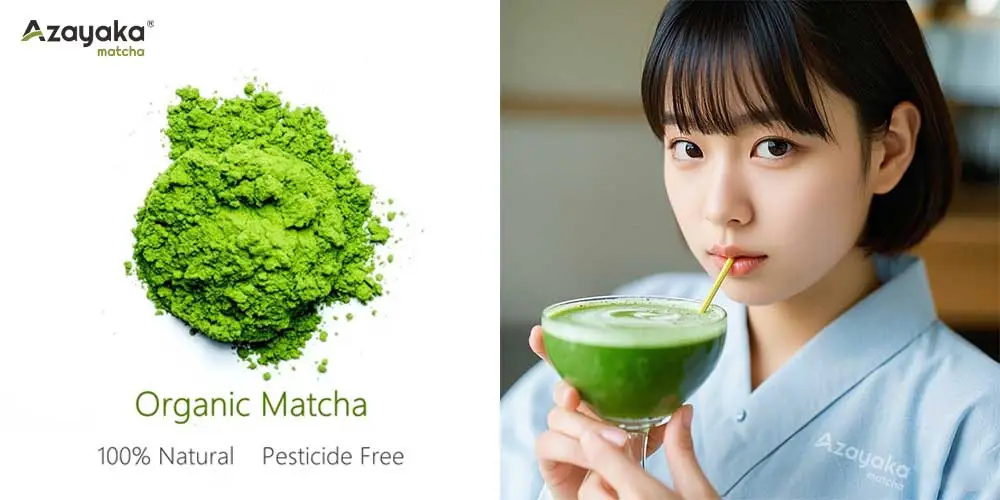
What Does Matcha Taste Like?
So, what does matcha taste like?
The best matcha is fresh, smooth, naturally sweet, and full of creamy umami, with gentle grassy notes and a clean finish. It shouldn’t taste overwhelmingly bitter, fishy, or harsh.
If your first cup doesn’t taste as expected, don’t assume that’s what all matcha tastes like. The quality of the tea, how it’s stored, and the way it’s prepared all make a remarkable difference.
Whether you enjoy it as a traditional tea, a creamy latte, or in your favorite desserts, high-quality matcha offers a complex flavor that’s both refreshing and deeply satisfying.

Perfect for beginners! You explained matcha flavors so clearly without being too technical. Definitely saving this for my friends who are new to matcha.
Super helpful post! I always wondered why some matcha tastes bitter while others taste smooth and slightly sweet. The latte section was great too. Definitely learned something new.