

Iced matcha has become one of the most popular matcha drinks worldwide. Its fresh taste, vibrant color, and natural energy boost make it a favorite among coffee shops and health-conscious drinkers.
But many people still ask: how to make iced matcha properly?
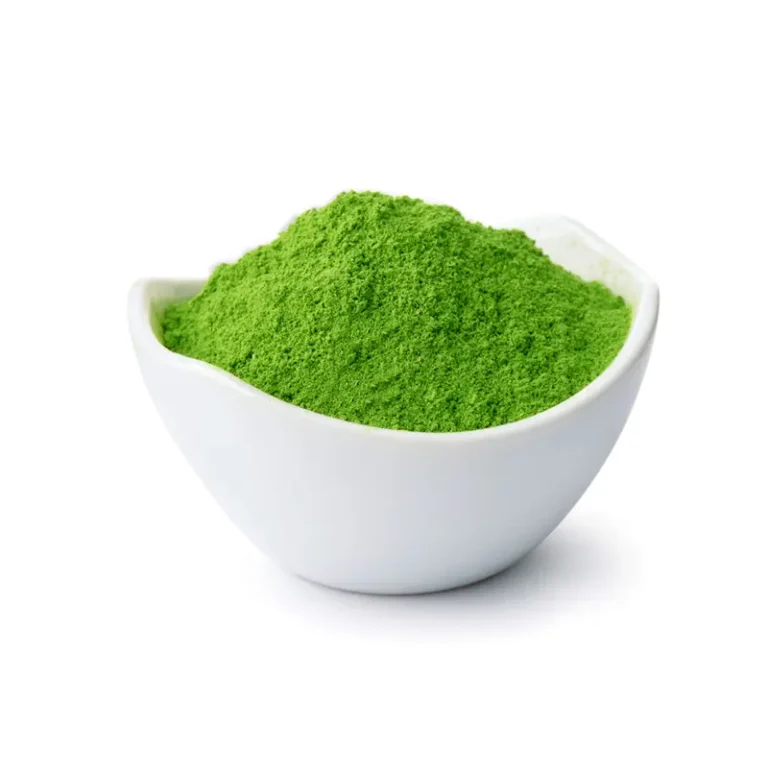
Unlike regular green tea, matcha is a fine powder made from shade-grown tea leaves, so it requires a slightly different preparation method to avoid clumps and bitterness.
In this guide, you’ll learn:
- The best way to make iced matcha at home
- The difference between iced matcha and iced matcha latte
- Common mistakes that make matcha taste bitter
- Tips used by professional baristas
Whether you’re a matcha beginner, café owner, or matcha enthusiast, this step-by-step guide will help you create a smooth and refreshing iced matcha drink.
What Is Iced Matcha?
Iced matcha is a cold version of traditional Japanese matcha tea, prepared by dissolving matcha powder in water and pouring it over ice.
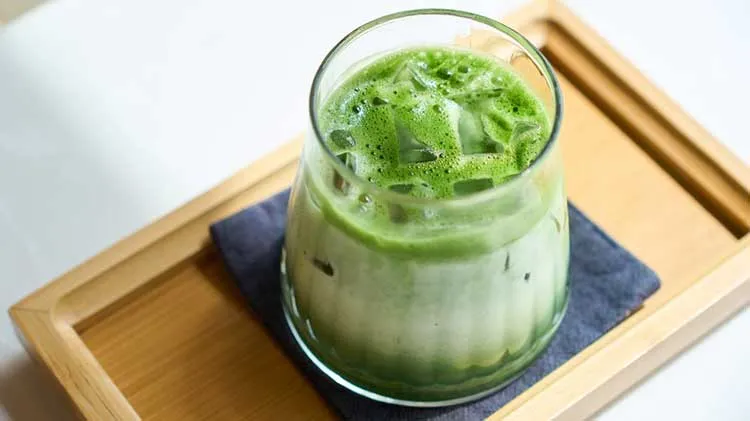
Because the entire tea leaf is consumed in powder form, matcha contains more antioxidants, L-theanine, and natural caffeine than regular brewed green tea.
There are two common types:
1. Iced Matcha (Traditional Style)
Matcha + water + ice.
2. Iced Matcha Latte (Coffee Shop Style)
Matcha + milk + ice (often with sweetener).
Both drinks are refreshing, but the latte version is creamier and more popular in cafés.
Ingredients You Need
To make a good iced matcha, quality ingredients matter.
Basic Ingredients
- 1–2 g matcha powder (about ½–1 tsp)
- 60 ml warm water (70–80°C / 160–175°F)
- Ice cubes
- Optional: milk or sweetener
Recommended Matcha Type
For iced drinks, these grades work best:
- Ceremonial grade matcha – smooth, vibrant, minimal bitterness
- Premium café grade matcha – ideal for matcha lattes
High-quality matcha should have:
- Bright green color
- Fine texture
- Fresh grassy aroma
How to Make Iced Matcha (Step-by-Step)
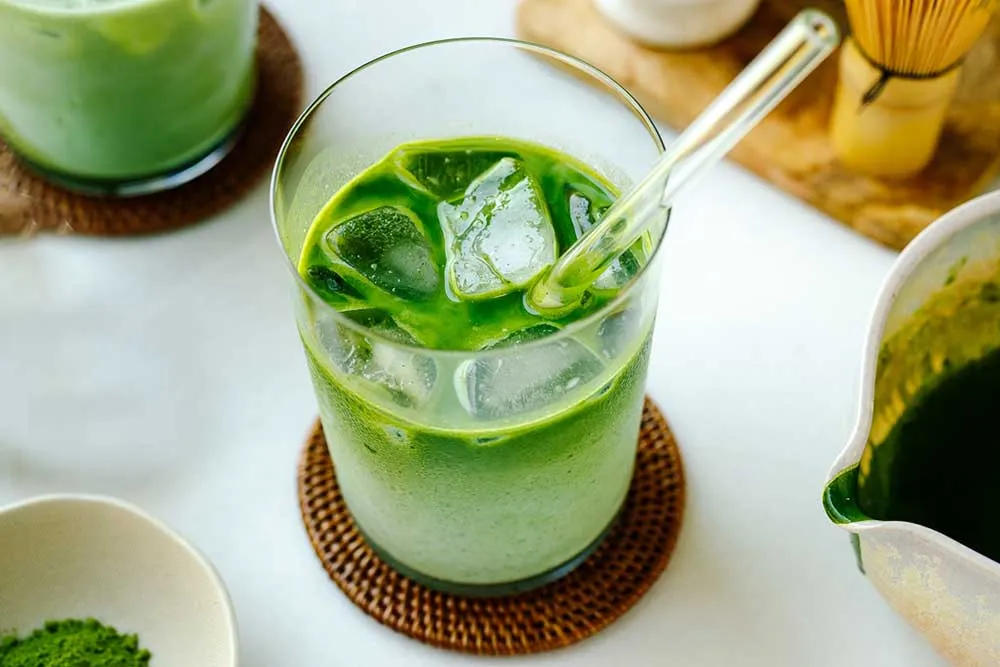
Step 1: Sift the Matcha
Sift 1–2 g matcha powder into a bowl or cup.
This step helps break up clumps, making the matcha easier to dissolve.
Step 2: Add Warm Water
Pour 60 ml warm water (70–80°C) into the bowl.
Avoid boiling water because high temperature can cause bitterness.
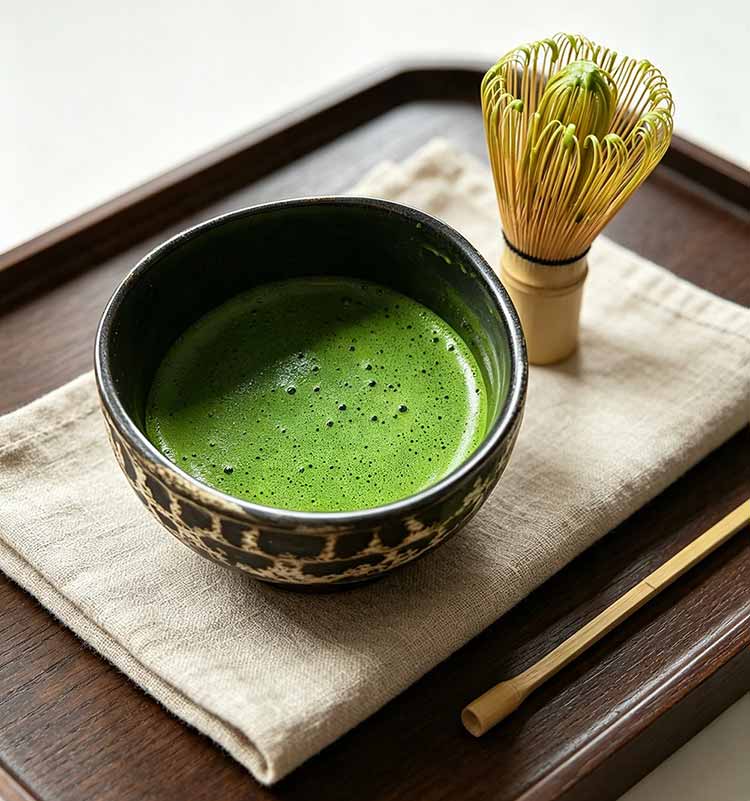
Step 3: Whisk the Matcha
Use a bamboo whisk (chasen) or small whisk.
Whisk in a zig-zag “W” motion for about 10–15 seconds until the matcha becomes smooth and slightly foamy.
Step 4: Pour Over Ice
Fill a glass with ice cubes and pour the prepared matcha over the ice.
Your iced matcha tea is ready to drink.
How to Make an Iced Matcha Latte
If you prefer a creamier café-style drink, try an iced matcha latte.
Ingredients
- 1–2 g matcha
- 60 ml warm water
- 150–200 ml milk
- Ice
- Optional sweetener (honey, syrup)
Steps
- Prepare matcha using the whisk method above
- Fill a glass with ice
- Add milk
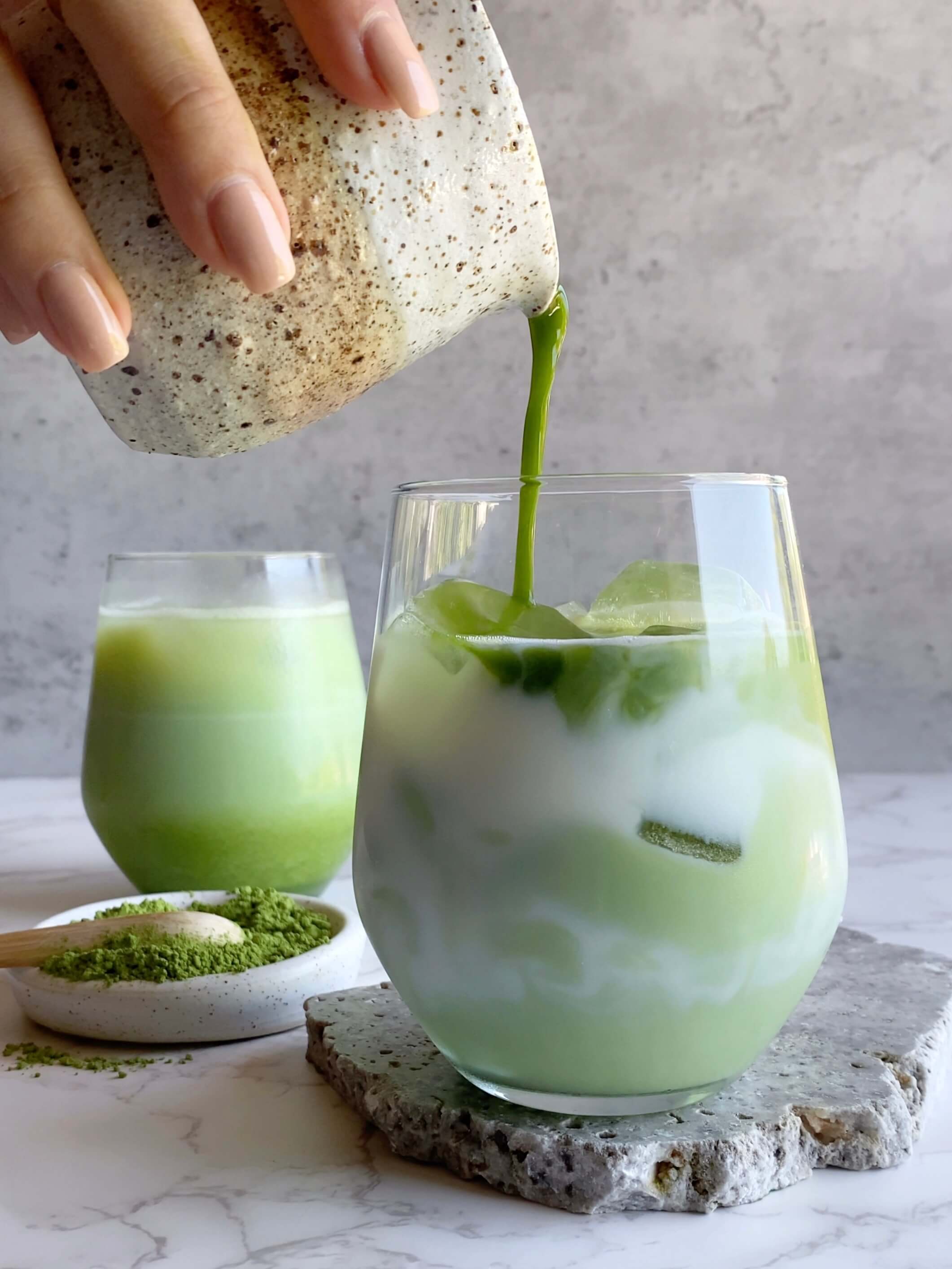
- Slowly pour the matcha over the milk
This creates a beautiful layered matcha latte effect.
Popular milk options include:
- Whole milk
- Oat milk
- Almond milk
- Coconut milk
Common Mistakes When Making Iced Matcha
Many beginners experience clumpy or bitter matcha. These issues usually come from simple mistakes.
1. Using Boiling Water
Boiling water burns matcha powder, creating bitterness.
Best temperature: 70–80°C (160–175°F).
2. Not Sifting the Matcha
Matcha powder easily forms small clumps.
Sifting improves smoothness and texture.
3. Using Low-Quality Matcha
Low-grade matcha often appears:
- dull green or yellow
- overly bitter
- coarse in texture
For iced drinks, choose high-quality café or ceremonial matcha.
Pro Tips for Better Iced Matcha
Here are a few barista-level tips to improve your matcha.
Shake instead of whisking
If you don’t have a whisk, add matcha and water to a jar and shake vigorously for 15 seconds.
Use cold foam milk
Adding cold milk foam creates a smooth café-style iced matcha latte.
Use filtered water
Water quality significantly affects matcha flavor.
Choose fresh matcha
Fresh matcha has a bright green color and natural sweetness.
Why Quality Matcha Matters
Matcha quality directly affects:
- flavor
- color
- smoothness
- bitterness
High-quality matcha is typically made from shade-grown tea leaves, carefully processed through steaming, drying, destemming, and stone grinding.
This process helps preserve natural nutrients, aroma, and vibrant color.
For cafés and beverage brands, choosing a stable wholesale matcha supplier is essential to maintain consistent flavor and color in drinks.
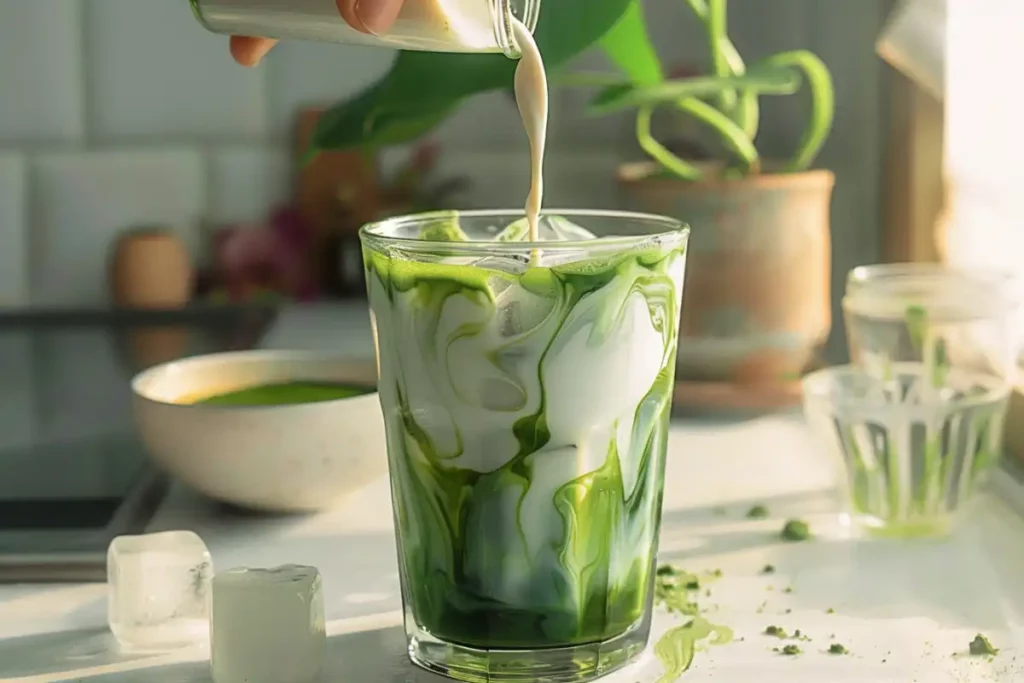
Making iced matcha at home is simple once you know the right technique.
The key points to remember are:
- Use high-quality matcha powder
- Sift before whisking
- Avoid boiling water
- Adjust milk and sweetness to taste
With just a few ingredients, you can enjoy a refreshing iced matcha drink that rivals your favorite café.
If you’re looking for premium matcha for cafés, beverage brands, or wholesale supply, explore the matcha collection at Azayaka Matcha by Inna, crafted from shade-grown tea leaves and carefully stone-ground for vibrant color and smooth taste.
FAQ
Q1: Can you make iced matcha without a whisk?
Yes. You can add matcha powder and warm water to a jar or shaker and shake it for about 15 seconds until smooth.
Q2: What matcha is best for iced matcha?
Ceremonial or premium café-grade matcha works best because it has a smoother taste and vibrant green color.
Q3: Why does iced matcha taste bitter?
Bitterness usually comes from low-quality matcha or using boiling water.
Q4: Can you add milk to iced matcha?
Yes. Adding milk creates an iced matcha latte, one of the most popular matcha drinks.


I work at Steve’s Café, we switched our whole shop’s process to this recipe, way faster during rush hours.
Simple step-by-step without fancy gear. I used to make bitter, gritty iced matcha before reading this; now it’s smooth, frothy and just like coffee shop versions.
This easy recipe solved my biggest headache—matcha fading grey after mixing with ice. The warm slurry technique keeps the bright emerald shade all day long.
I’ve been wanting to simplify my shop’s iced matcha process, this easy approach sparks lots of practical ideas for daily service.
So many customers ask for homemade-style iced matcha, reading this makes me think of small tweaks I can use for my shop’s summer menu.
Store-bought iced matcha is either too bitter or too watery, imagining this café-perfect version makes me feel so relieved.
Perfect read! It makes total sense why cafes and social media are crazy over matcha lately.
Every café I walk into has matcha drinks now, it’s wild
Loved this iced matcha recipe guide! It’s super beginner-friendly and hits that perfect café taste. All the tips here make such a big difference. Such a great read, 10/10 would recommend to any matcha lover.
Super handy quick-read guide for anyone new to homemade iced matcha! The easy steps and troubleshooting for clumpy matcha work perfectly, I got smooth layered drinks on my first try. It only covers one basic formula though, and the matcha powder suggestions lack budget-friendly picks. Still worth saving if you just want a simple café-style drink.
Perfect for matcha newbies; seasoned home baristas will find it too simple.
Easy to follow, yet lacks helpful tips for pre-making matcha concentrate ahead of time.
Solid starter recipe, clear anti-clumping hacks, but no fun flavor upgrades.
Super straightforward recipe, my homemade matcha tastes just like café’s.
Quick and easy recipe, makes smooth iced matcha every time.
Simple steps, tastes just like café matcha!
Really nice beginner-friendly guide to iced matcha. The instructions are simple and straightforward, the café-style result looks appealing. Worth trying if you love matcha.
This iced matcha recipe is super practical! Steps are clear and easy to follow, just like café drinks. It’s great for anyone who wants to make it at home.
Super easy to follow! Finally made perfect café-style iced matcha at home, tastes exactly like shop ones.
Such a wonderful beginner-friendly guide to iced matcha! I always struggled with clumpy, bitter matcha at home, but these simple steps make it taste just like coffee shop quality. I love how you shared tips for smooth mixing and milk options. Quick, affordable, and delicious—this will save me so much money on daily matcha runs. Thank you for sharing this easy recipe!
This is my go-to iced matcha recipe now. It’s simple, consistent, and tastes exactly like what I get at coffee shops. The layered look is so pretty too. Highly recommend for anyone who loves matcha but doesn’t want to spend $5 a drink.
I’ve tried so many iced matcha recipes and this one is by far the best. Sifting the matcha really makes it smooth, no gritty texture at all. The temperature tip keeps it from getting bitter, and it’s genuinely café-quality. Super quick even on busy mornings.
I really enjoyed this post. It’s straightforward, no fluff, and tells you both what the drink is and how to make it. The banana bread + matcha combo is creative and works surprisingly well. My only tiny wish was a little more tips on making it extra creamy, but still a great recipe overall.
This guide saved me so much money! Easy to follow, and the café-style result is incredible. Thank you for sharing!
So quick to make and tastes perfect. I’ve tried so many recipes, but this one is by far the best. Highly recommend!
Love how simple this is—5 minutes and perfect results every time. The tips about water temperature and sifting really make a difference.
Love how simple this iced matcha guide is! Perfect for beginners who want something quick but delicious. The steps are clear, and the result is creamy, refreshing, and way better than store-bought.