

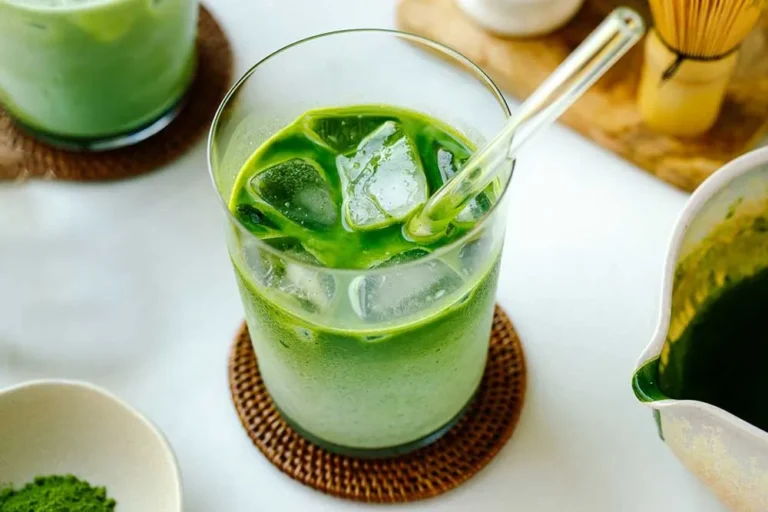
Matcha is rapidly becoming one of the most profitable menu additions for cafés across New Zealand. From matcha lattes to iced drinks and desserts, more customers are choosing matcha as a healthier alternative to coffee.
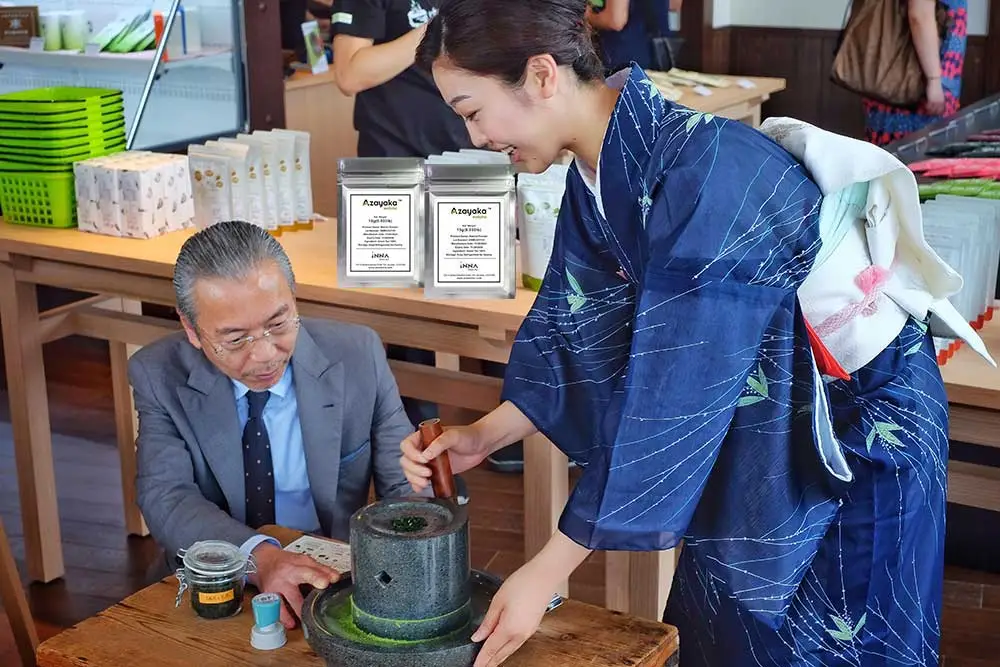
If you run a café or beverage business in New Zealand, this guide will help you understand how to choose the right matcha, control costs, and build a profitable matcha menu.
Why Matcha Is Growing in New Zealand Cafés
The demand for matcha in New Zealand is driven by three key trends:
- Health-conscious consumers prefer antioxidant-rich drinks
- Increasing demand for plant-based and low-acidity beverages
- Social media popularity (matcha latte aesthetics)
Compared to coffee, matcha offers a smoother caffeine release and a unique flavor profile that appeals to a younger audience.
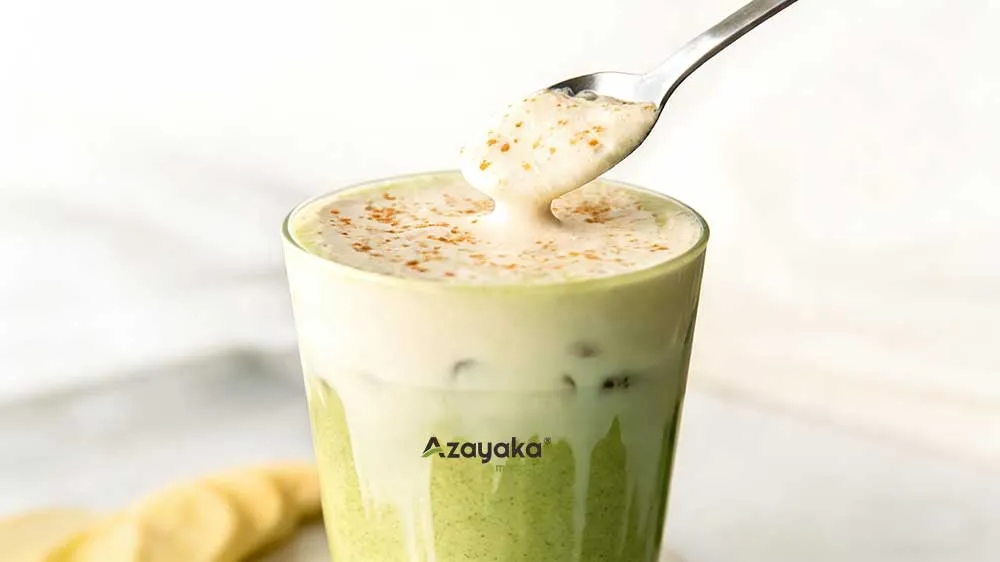
Choosing the Right Matcha for Your Café
Not all matcha is suitable for commercial use. Choosing the right grade is critical for both taste and cost control.
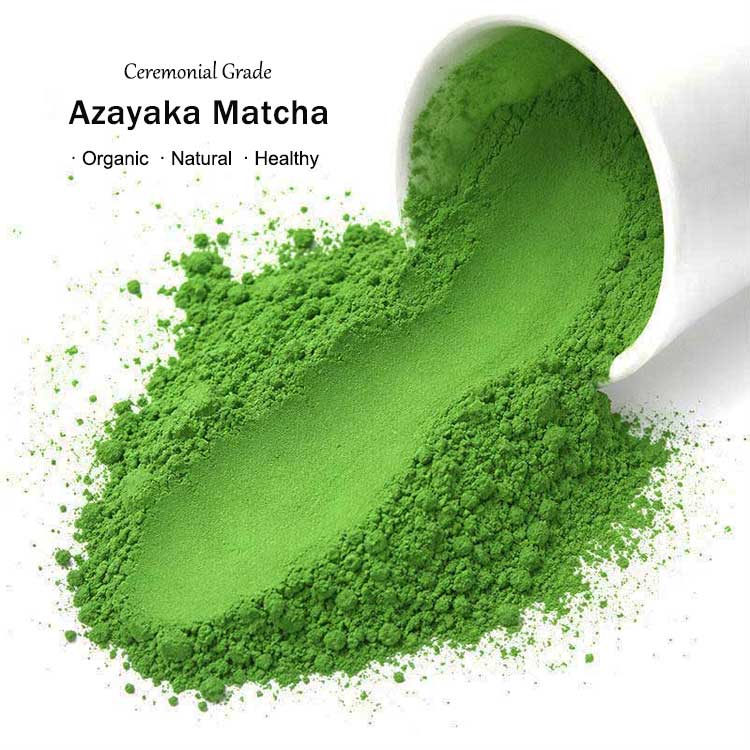
1. Ceremonial Grade Matcha
- Best for: premium drinks and high-end cafés
- Taste: smooth, naturally sweet, low bitterness
- Price: high
2. Culinary Grade Matcha (Recommended)
- Best for: matcha lattes, iced drinks, desserts
- Taste: stronger, slightly bitter (pairs well with milk & sugar)
- Price: cost-effective for bulk use
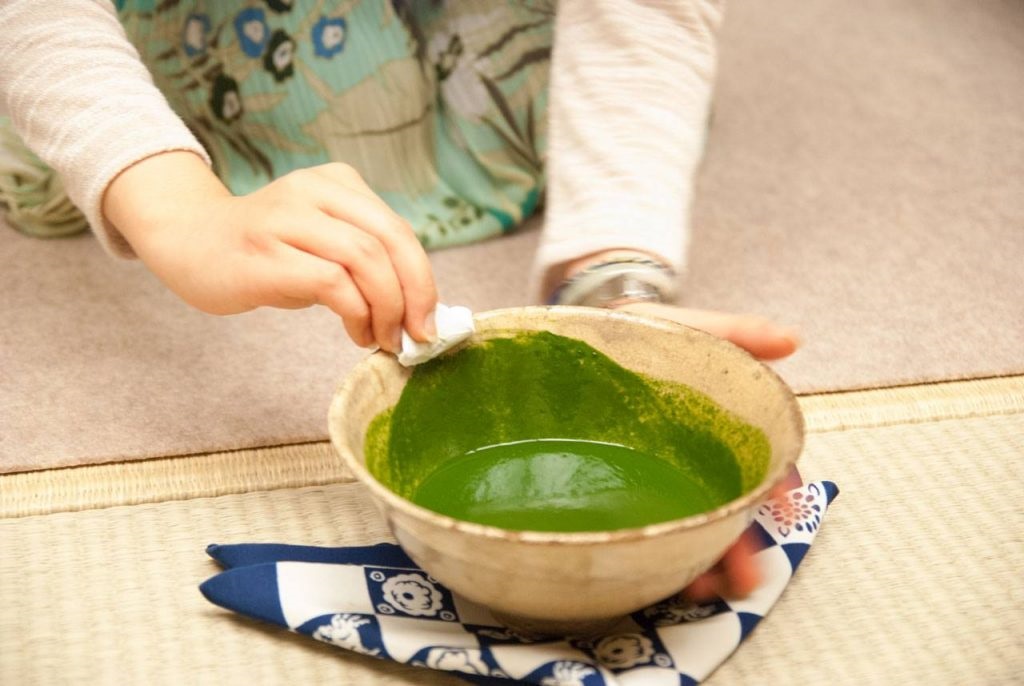
👉 Most cafés in New Zealand prefer culinary grade matcha due to better margins.
How Much Matcha Does a Café Use?
Typical usage per drink:
- Matcha latte: 2g – 3g
- Iced matcha: 2g
- Matcha dessert: varies
Cost Example:
If matcha costs $80/kg:
- Cost per cup ≈ $0.16 – $0.24
- Selling price in NZ cafés: $5 – $7
👉 High profit margin product.
Matcha Menu Ideas for Cafés
Adding variety increases sales and customer retention.
Popular Matcha Drinks:
- Matcha Latte (Hot/Iced)
- Iced Strawberry Matcha
- Matcha Coconut Latte
- Matcha Smoothie
High-margin Add-ons:
- Matcha cheesecake
- Matcha soft serve
- Matcha tiramisu
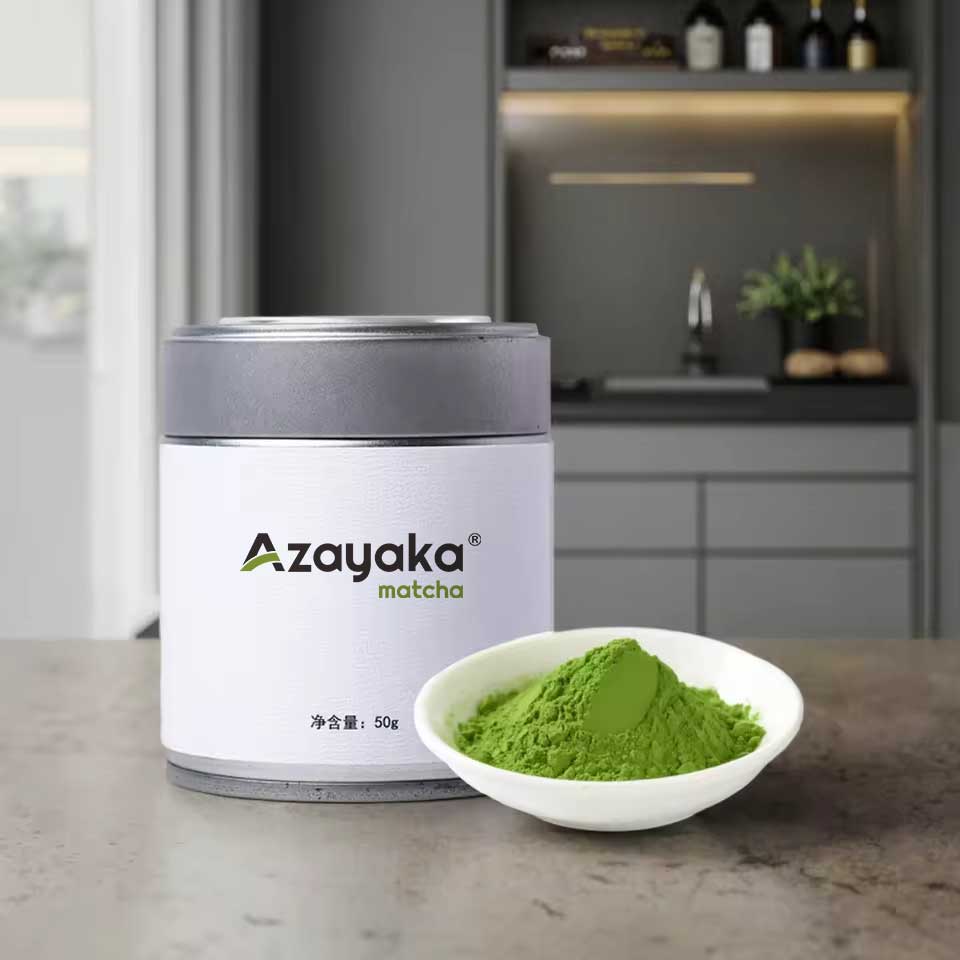
How to Store Matcha in a Café
To maintain freshness and color:
- Store in airtight containers
- Keep away from light and heat
- Refrigeration recommended after opening
Proper storage ensures consistent drink quality.
How to Choose a Matcha Supplier in New Zealand
When sourcing matcha in bulk, consider:
- Origin (Japan vs China)
- Organic certification (EU / USDA)
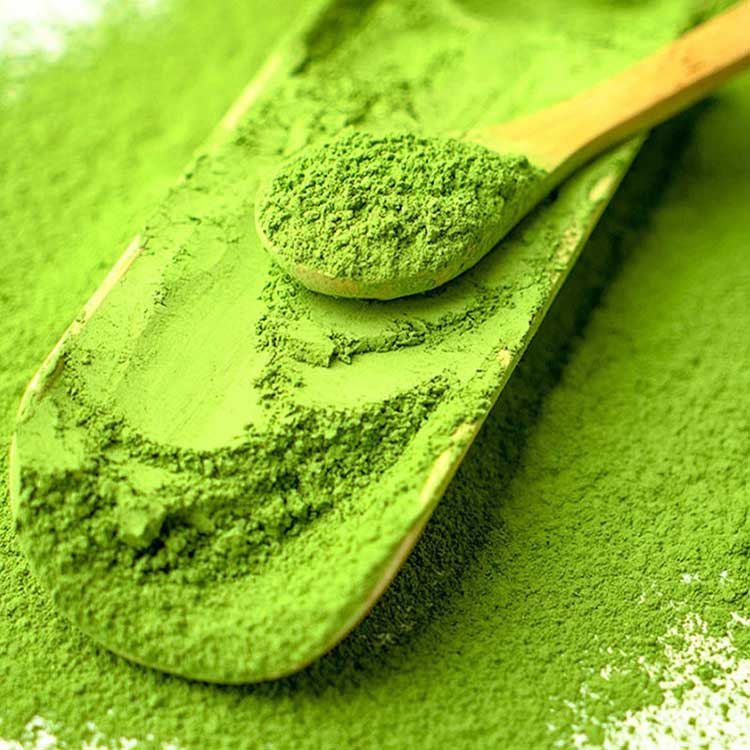
- Color and fineness
- Stable supply capacity
- Wholesale pricing
Reliable suppliers can help you scale your business and maintain consistent quality.
Why Work with a Bulk Matcha Supplier
Buying matcha in bulk offers several advantages:
- Lower cost per kilogram
- Stable inventory supply
- Custom packaging options
- Consistent taste across batches
For growing café chains, working directly with a supplier is more efficient than buying retail.
Matcha is not just a trend—it is a long-term opportunity for cafés in New Zealand.
By choosing the right grade, controlling costs, and offering creative menu items, cafés can significantly increase their revenue with matcha-based products.
👉 Looking for a reliable matcha supplier?
Explore our bulk matcha solutions designed for cafés and beverage businesses in New Zealand.
Why Choose AZmatcha?
- Competitive wholesale pricing compared to traditional Japanese suppliers
- Stable supply for cafés and distributors
- High-quality matcha suitable for both latte and premium drinks
- Bulk packaging available (1kg / 10kg / OEM)
👉 AZmatcha bridges the gap between premium quality and commercial affordability.

Great write-up! It covers pricing, quality and shipping for NZ business buyers. Really helpful and not complicated at all.
Wish you talked more about organic and ceremonial-grade options in both categories.