
One of the most common questions among matcha drinkers is surprisingly simple:
Should matcha be whisked with warm water first and then chilled, or can you prepare it directly with cold water?
There is no single “correct” answer, but after preparing matcha in both traditional and modern styles, we’ve found that the method you choose can noticeably affect texture, aroma, and overall flavor.
Why Matcha Behaves Differently Than Most Powders
Unlike instant coffee, matcha doesn’t dissolve in water.
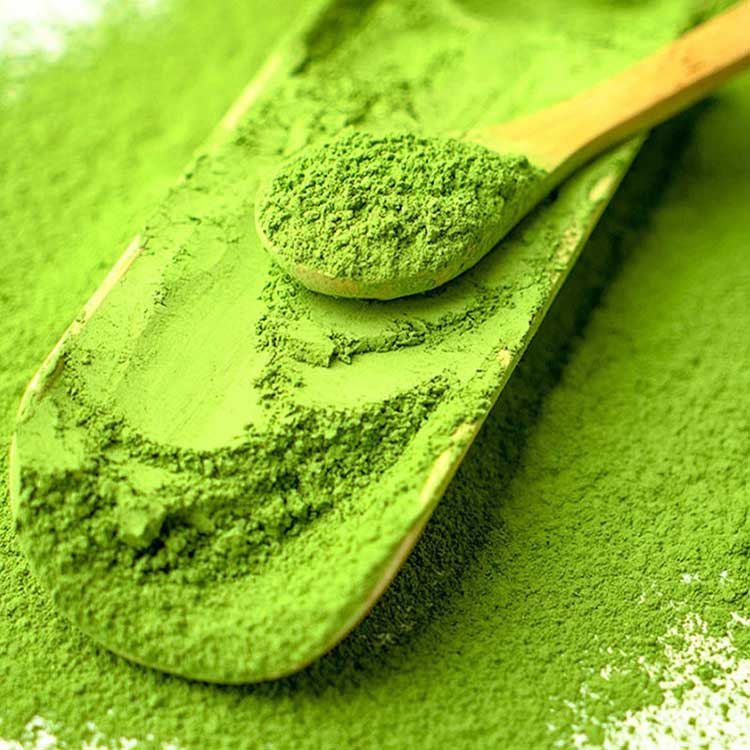
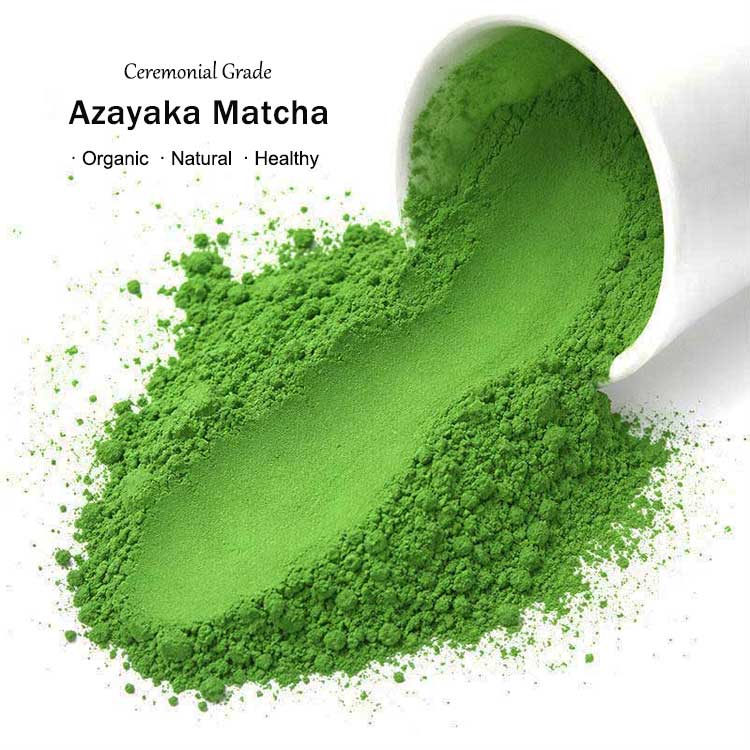
Matcha is made by stone-grinding shaded tencha leaves into an extremely fine powder. When prepared, those microscopic particles remain suspended in the liquid rather than dissolving completely.
This is why clumping can occur, especially when cold water is introduced from the start.
The colder the water, the harder it becomes for the powder to disperse evenly.
Cold-Whisking Matcha
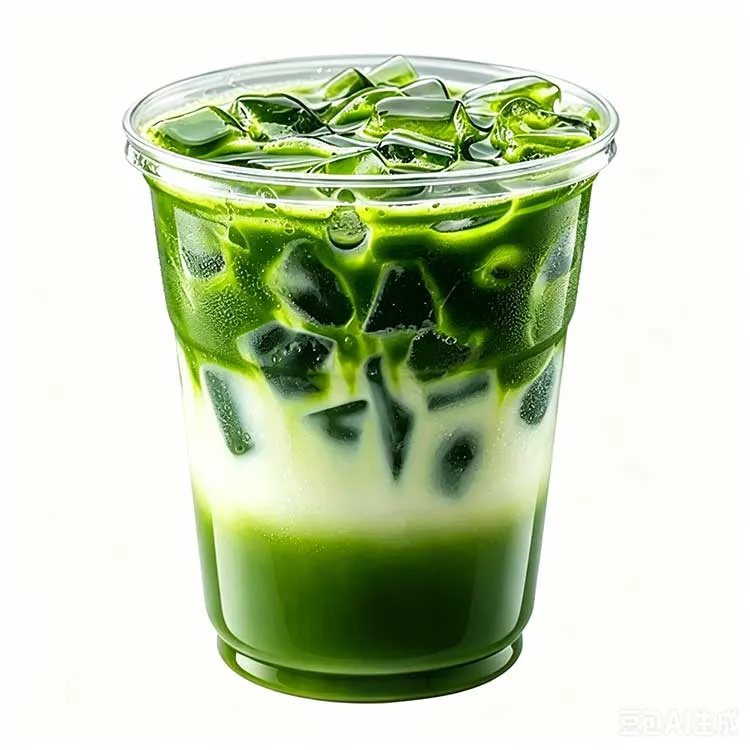
Cold-whisking has become increasingly popular for iced drinks and summer recipes.
The advantages are obvious:
- Fast preparation
- No need to cool the tea afterward
- Less dilution from melting ice
However, there are trade-offs.
Even high-quality matcha can form small clumps in cold water. The resulting drink may appear smooth at first but often develops sediment more quickly. Aroma can also feel more restrained because cooler temperatures release fewer volatile compounds.
For this reason, many cafés use a shaker or electric frother when preparing matcha with cold water.
Whisking Warm, Then Chilling
Traditional preparation methods rely on warm water for a reason.
A small amount of water around 70–80°C (158–176°F) allows the powder to disperse quickly and evenly. The tea develops a smoother texture, a richer aroma, and a more consistent flavor profile.
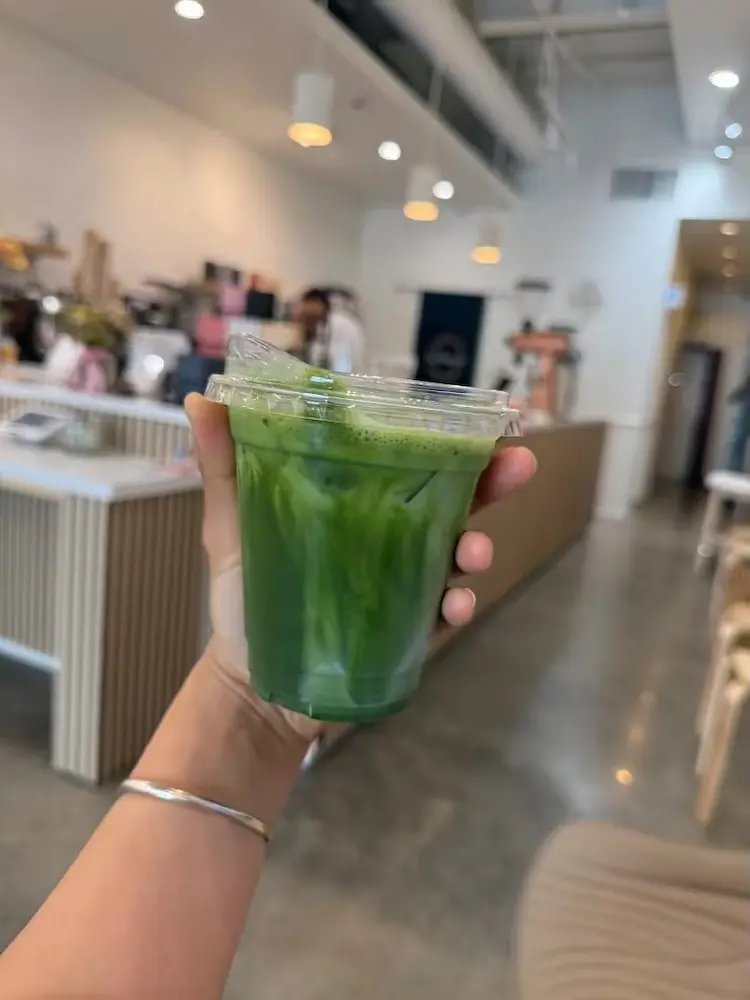
For iced matcha, we typically whisk the matcha with a small amount of warm water first, then pour it over ice or combine it with chilled water or milk.
The result is usually:
- Fewer clumps
- Better suspension of particles
- More pronounced umami
- Fuller aroma
The only downside is slight dilution as the ice melts.
Does Chilling Change the Flavor?
Yes, but usually less than people expect.
Freshly whisked matcha is at its peak. As it sits, the particles naturally settle and some aromatic compounds gradually fade.
This doesn’t mean chilled matcha tastes bad. In fact, many premium matcha varieties develop a softer, sweeter profile when served cold.
The key is not to leave prepared matcha sitting for hours before drinking it.
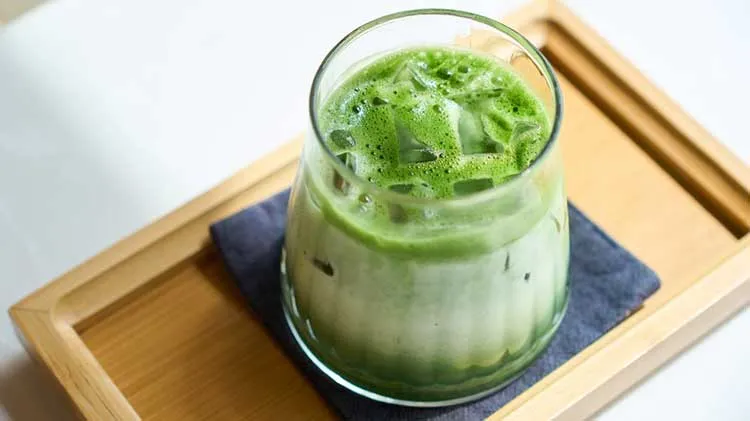
Our Preferred Method for Iced Matcha Drinks
For matcha lattes, sparkling matcha, and most mixed beverages, we recommend a simple approach:
- Sift the matcha.
- Add a small amount of warm water.
- Whisk until completely smooth.
- Add ice and the remaining cold ingredients.
This combines the best of both methods: proper dispersion and a refreshing cold finish.
If convenience is your priority, cold-whisking works perfectly well, especially when using a shaker or frother.
If your goal is the best texture and flavor, whisking matcha with a small amount of warm water before chilling remains the most reliable method.
The difference may seem small, but with high-quality matcha, small details often make the biggest impact.
At Azayaka Matcha, we believe preparation should enhance the character of the tea, not mask it. Whether served hot or cold, great matcha begins with careful cultivation, careful grinding, and careful preparation.