
Learn how to choose the best matcha for your café. Discover the differences between ceremonial, premium, and culinary grades, and find the ideal matcha for lattes, specialty drinks, and commercial use.
Why Choosing the Right Matcha Matters
Matcha has become one of the fastest-growing menu items in coffee shops worldwide. From classic Matcha Lattes to Strawberry Matcha and Dirty Matcha, customers are increasingly looking for premium green tea beverages alongside traditional espresso drinks.
However, not all matcha powders are created equal.
Using the wrong grade can lead to:
- Bitter flavor
- Dull green color
- Poor latte consistency
- Higher ingredient costs
- Lower customer satisfaction
For café owners, selecting the right matcha is about balancing flavor, appearance, and profitability.
Understanding Matcha Grades
Although there is no official international grading standard, most Japanese matcha suppliers categorize matcha into three commercial grades.
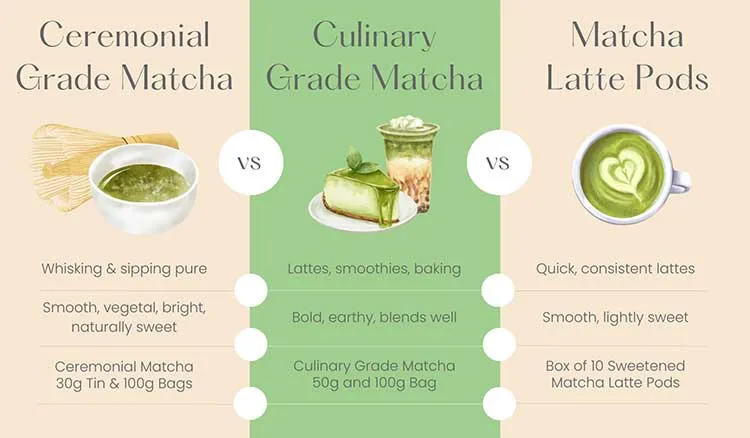
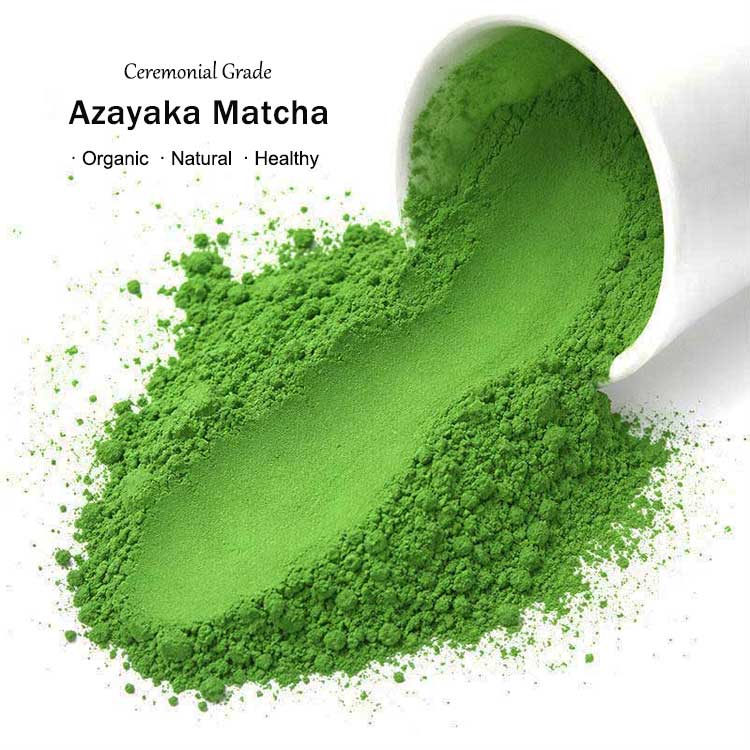
Ceremonial Grade
Ceremonial grade is produced from the youngest tea leaves harvested during the first flush. It offers:
- Vibrant emerald green color
- Naturally sweet taste
- Minimal bitterness
- Fine texture
- Rich umami flavor
This grade is traditionally prepared with water and enjoyed without milk or sweeteners.
Best for:
- Traditional tea service
- Premium tea bars
- Matcha tasting experiences
Not ideal for everyday café lattes because milk masks many of its delicate flavor notes, making it unnecessarily expensive.
Premium Latte Grade
Premium latte grade has become the preferred choice for specialty cafés.
It provides:
- Bright green appearance
- Smooth flavor
- Balanced sweetness
- Excellent performance with milk
- Competitive cost
Many successful coffee shops use premium latte-grade matcha for:
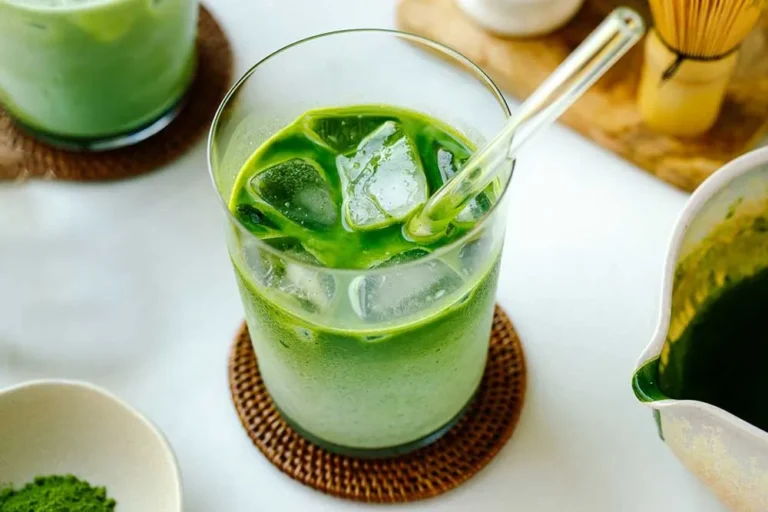
- Matcha Latte
- Iced Matcha Latte
- Dirty Matcha
- Matcha Cold Foam
- Matcha Frappes
This grade delivers consistent quality while maintaining healthy profit margins.
Culinary Grade
Culinary matcha is designed primarily for cooking and food manufacturing.
Characteristics include:
- Stronger tea flavor
- Slightly more bitterness
- Darker green color
- Lower price
It works well in:
- Cakes
- Cookies
- Ice cream
- Smoothies
- Baking
For specialty coffee shops, culinary grade is generally not recommended for signature matcha lattes because the flavor may become overly bitter.
Which Grade Is Best for Coffee Shops?
For most cafés, premium latte-grade matcha offers the best balance of quality and cost.
| Matcha Grade | Flavor | Color | Best Use |
|---|---|---|---|
| Ceremonial | Very smooth | Bright emerald | Traditional tea |
| Premium Latte | Smooth & balanced | Bright green | Matcha lattes, café beverages |
| Culinary | Strong & slightly bitter | Medium green | Baking & desserts |
Unless your café specializes in Japanese tea ceremonies, premium latte grade is usually the smartest investment.
Key Factors to Consider
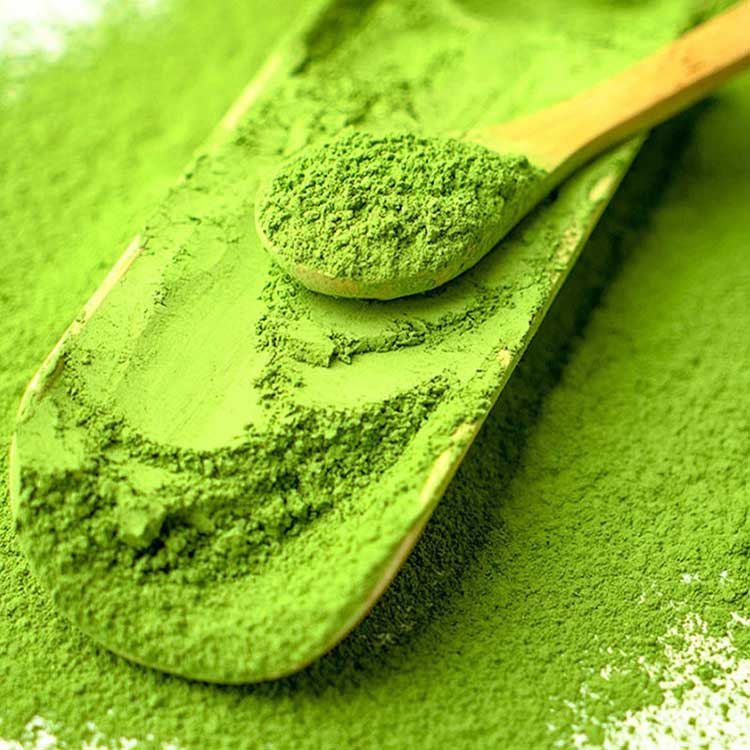
1. Color
Customers associate vibrant green matcha with freshness and quality.
Avoid powders that appear:
- Yellowish
- Brownish
- Olive green
High-quality Japanese matcha should have a vivid green color that photographs well for social media.
2. Taste
A quality café matcha should offer:
- Mild sweetness
- Rich umami
- Minimal bitterness
- Smooth finish
Since most café drinks include milk and sweeteners, the matcha should still provide enough flavor without becoming harsh.
3. Origin
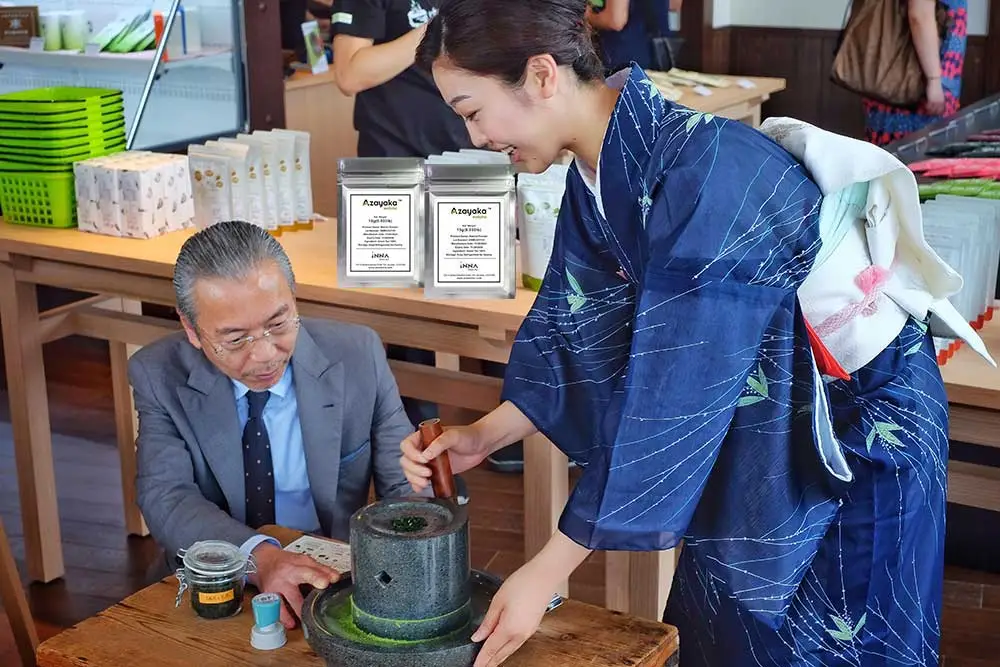
Japanese matcha remains the global standard for premium quality.
Regions such as:
- Uji (Kyoto)
- Nishio (Aichi)
- Shizuoka
- Kagoshima
are renowned for producing exceptional matcha thanks to ideal growing conditions and centuries of cultivation expertise.
4. Organic Certification
Many customers actively seek organic ingredients.
Offering USDA Organic matcha can help cafés:
- Appeal to health-conscious consumers
- Strengthen premium branding
- Meet demand for clean-label beverages
5. Supply Consistency
Consistency is essential for multi-location cafés and growing businesses.
When choosing a wholesale supplier, consider:
- Stable inventory
- Consistent flavor across batches
- Fast shipping
- Technical support
- Long-term availability
Reliable supply ensures every Matcha Latte tastes the same, no matter when it’s served.
Popular Matcha Drinks for Coffee Shops
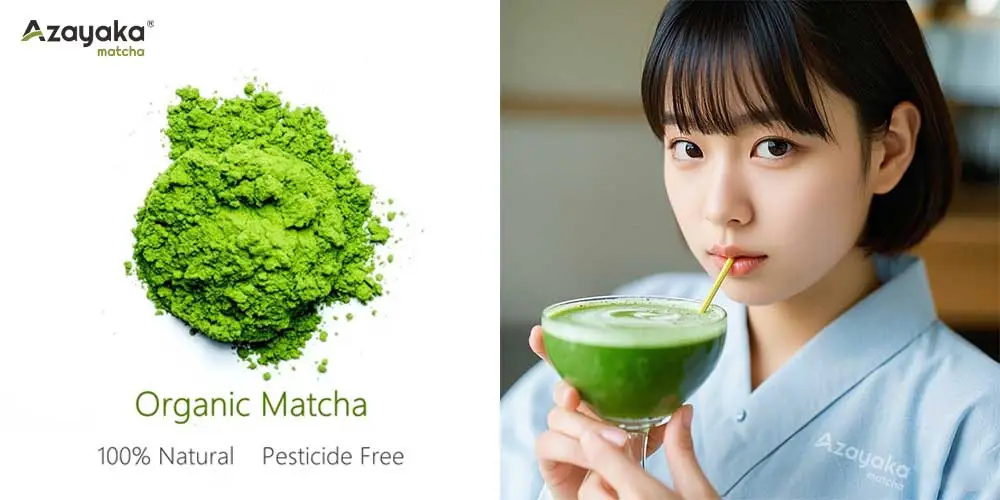
Premium latte-grade matcha works well across a variety of beverages, including:
- Classic Matcha Latte
- Iced Matcha Latte
- Strawberry Matcha Latte
- Dirty Matcha (Espresso + Matcha)
- Coconut Matcha Latte
- Matcha Lemonade
- Matcha Cold Foam
- Matcha Smoothie
- Matcha Frappé
A versatile matcha powder allows cafés to expand seasonal menus without changing suppliers.
How Matcha Can Increase Café Profits
Adding matcha beverages offers several business advantages:
- Higher perceived value
- Strong social media appeal
- Growing consumer demand
- Excellent profit margins
- Appeals to non-coffee drinkers
With relatively low ingredient costs and premium pricing, matcha beverages can become one of the most profitable categories on a café menu.
Choosing a Wholesale Matcha Supplier
Before placing a wholesale order, ask potential suppliers:
- Is the matcha sourced directly from Japan?
- Is it available in bulk quantities?
- Is USDA Organic certified?
- Can they provide consistent batches?
- Do they offer samples?
- Is local inventory available for faster delivery?
Building a relationship with a reliable supplier helps ensure consistent quality and uninterrupted operations.
Selecting the best matcha for your coffee shop isn’t about choosing the most expensive option—it’s about finding the right balance of flavor, appearance, consistency, and value.
For most cafés, premium latte-grade Japanese matcha offers the ideal combination of vibrant color, smooth taste, and commercial performance. Whether you’re introducing your first Matcha Latte or expanding a full matcha beverage lineup, investing in quality ingredients will enhance customer satisfaction and support long-term profitability.