
How Is Matcha Made? Step-by-Step Production Process Guide
Matcha is a finely ground green tea powder known for its vibrant color, rich umami flavor, and powerful health benefits. But how is matcha made?
Unlike regular green tea, matcha undergoes a unique and meticulous production process that directly affects its taste, color, and quality.
In this guide, we’ll walk you through the complete matcha production process step by step.
What Is Matcha Made From?
Matcha is made from specially grown green tea leaves called tencha.
These leaves are cultivated under shade before harvest, which increases chlorophyll levels and enhances amino acids like L-theanine—giving matcha its signature smooth, umami taste.
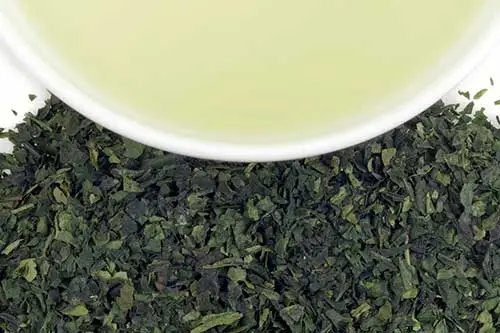
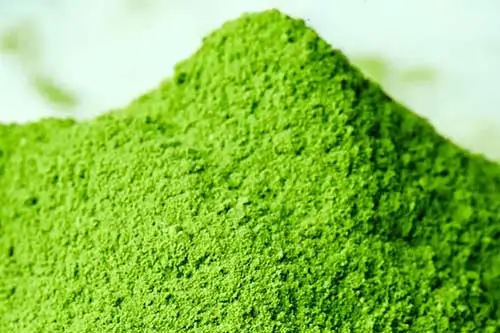
Matcha Production Process
1. Shadow Growth
Goal: Enhance flavor, color, and nutrients
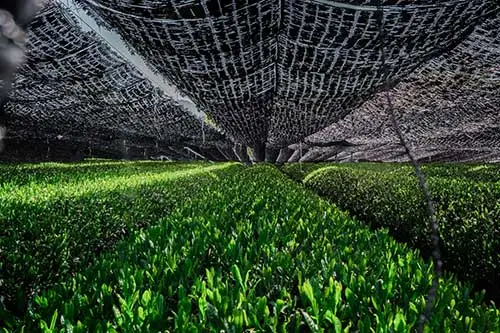
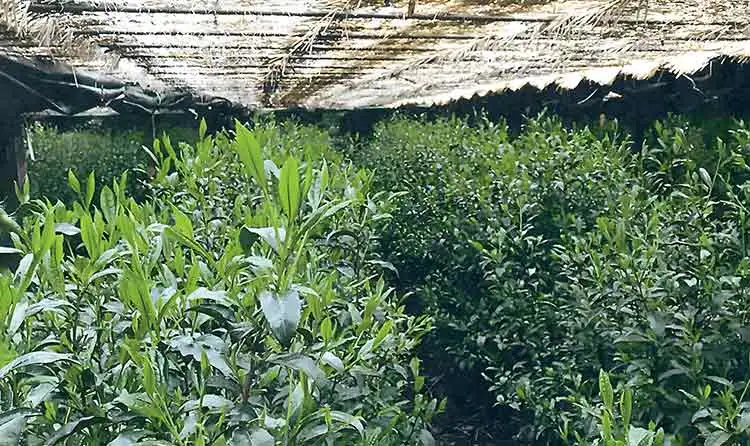
Tea trees are covered with sunshade nets to reduce sunlight exposure.
This increases chlorophyll, caffeine, and theanine, creating a rich green color.
Shading also improves the taste and nutritional value of the leaves.
2. Carefully Select the Leaves
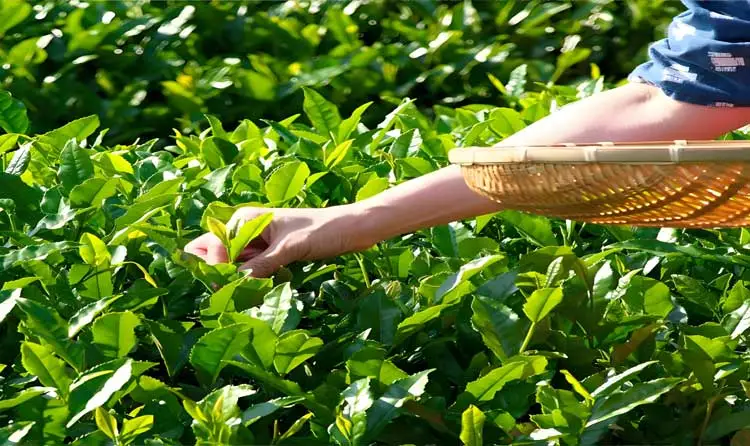
Only the first 2–3 young leaves at the top are selected.
These leaves are sweeter and packed with nutrients.
Careful selection ensures matcha has a smooth, delicate flavor.
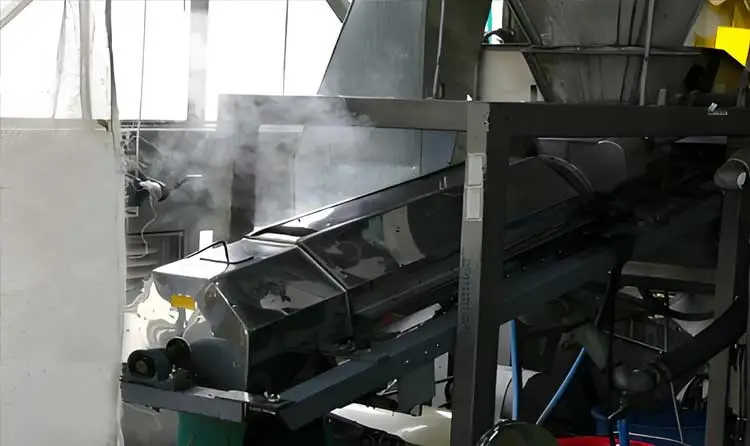
3. Steaming
Leaves are steamed within 24 hours of harvesting.
Steaming prevents oxidation and maintains a vibrant green color.
Requires precise temperature and timing to achieve the perfect flavor.
4. Cooling
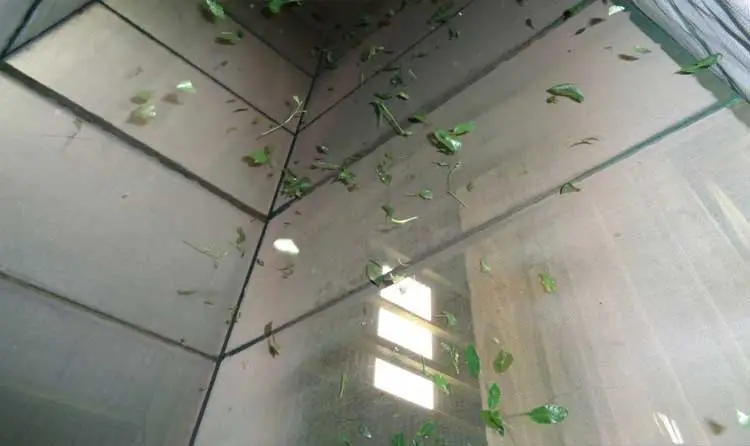
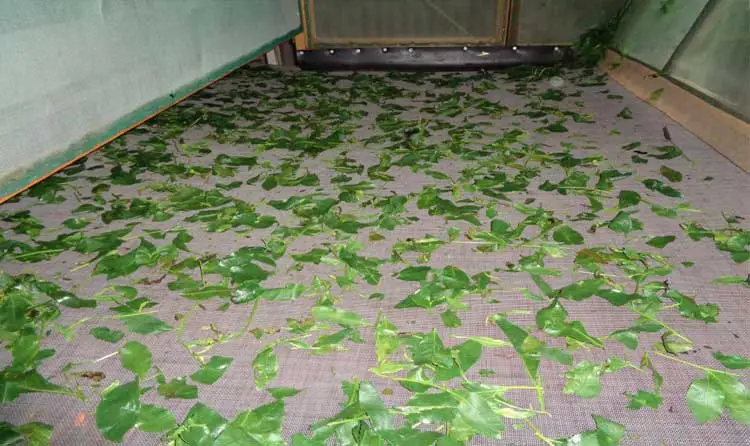
Steamed leaves are cooled in a Japanese device called Anton, about 5–7 meters high.
Leaves pass through 4 compartments with blowers to cool evenly and remove excess water.
Proper cooling is crucial for uniform drying in the next step.
5. Drying
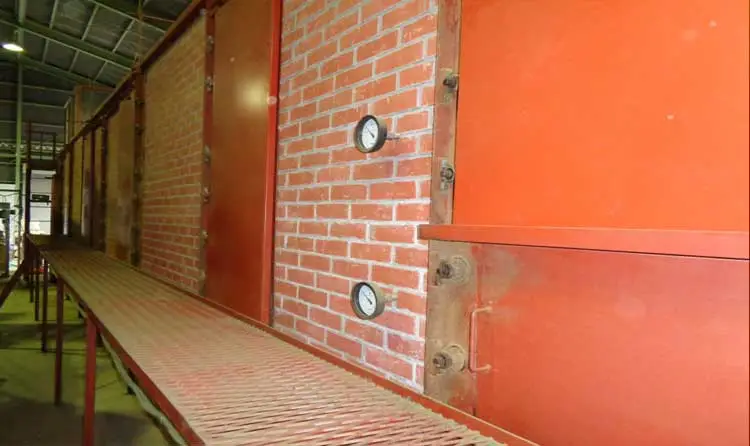
Leaves are dried in a furnace called Tencha Ro.
Multiple layers of conveyor belts use controlled temperatures between 90–180°C.
Drying takes 20–30 minutes and requires expertise to maintain flavor.
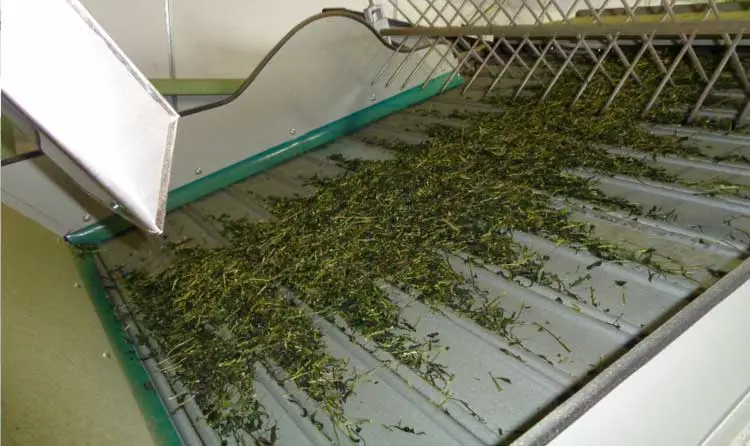
6. Removing Stems and Veins
Stems and veins are removed from the leaves.
This step eliminates bitterness and ensures the smooth, vibrant quality of matcha.
7. Grinding Into Powder
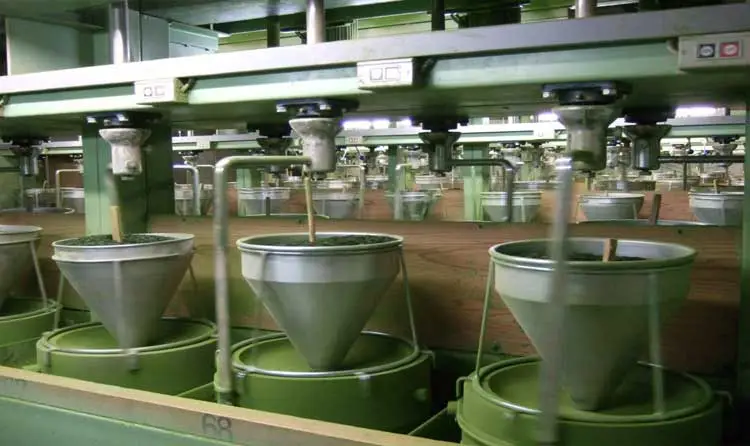
Tencha is ground using a stone matcha mill.
Grinding requires patience and skill, as it directly affects taste and color.
Result: fresh, delicate, bright green matcha powder.
Matcha vs Regular Green Tea
| Feature | Matcha | Regular Green Tea |
| Growing method | Shade-grown | Sun-grown |
| Processing | Stone-ground powder | Loose leaves |
| Consumption | Drink whole leaf | Infusion only |
| Flavor | Umami, smooth | More bitter |
How to Identify High-Quality Matcha
- Color: Bright, vibrant green
- Texture: Ultra-fine and smooth
- Taste: Umami-rich, not overly bitter
- Origin: Japan (Uji, Nishio, etc.)
Why the Production Process Matters
- Flavor (umami vs bitterness)
- Color (bright green vs dull yellow)
- Nutritional value
Tips & FAQs
Is matcha made from regular green tea?
No. Matcha is made from shade-grown tencha leaves, which are processed differently from regular green tea.
Why is matcha so green?
Because of shade growing, which increases chlorophyll levels.
Why is shading important?
Shading increases chlorophyll and amino acids, giving matcha its rich green color and umami flavor.
Can you make matcha without a stone mill?
Traditional stone grinding produces the best flavor. Other mills may overheat and affect taste.
How to store matcha?
Keep in an airtight container, away from light, moisture, and heat.