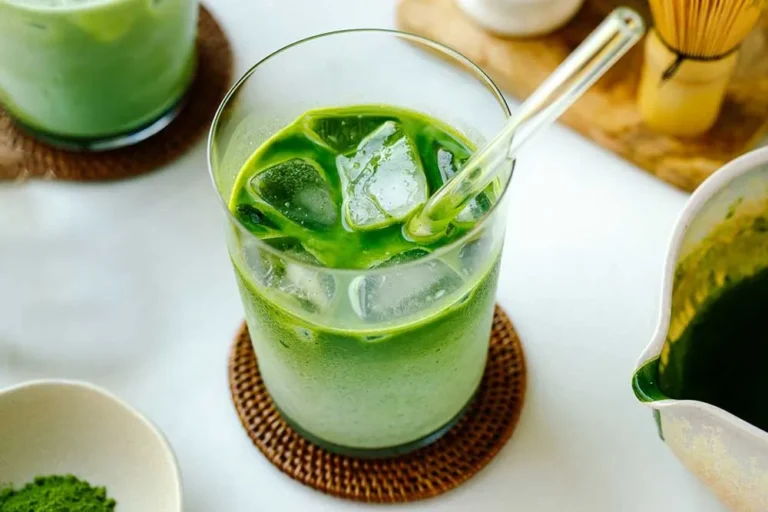

Coffee and matcha both contain caffeine, but they deliver energy in very different ways. Coffee provides a fast, strong boost that many customers rely on for mornings or busy workdays. Matcha delivers a slower, more stable form of energy that many people describe as “calm focus.”
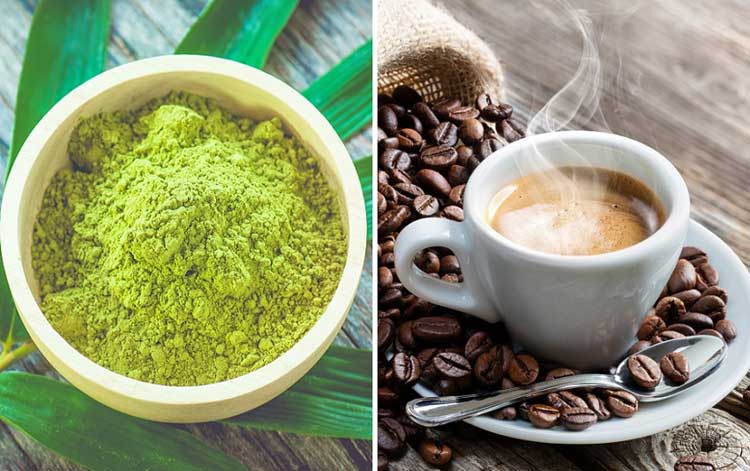
For cafés, coffee remains essential, but matcha has become one of the fastest-growing menu additions because it attracts health-conscious customers, increases drink variety, and supports premium pricing. Most modern coffee shops benefit from offering both.
Why This Comparison Matters for Cafés
Coffee has always been the backbone of café menus. But customer expectations have changed. More people are now looking for drinks that feel lighter, more functional, and visually appealing on social media.
That shift is one reason matcha has moved from niche tea shops into mainstream coffee culture.
Today, it’s common to see matcha lattes, iced matcha, and seasonal matcha drinks sitting right next to espresso-based drinks in specialty cafés across the United States.
For café owners, the question is no longer “coffee or matcha,” but rather how both can work together on the same menu.
What Is Matcha?
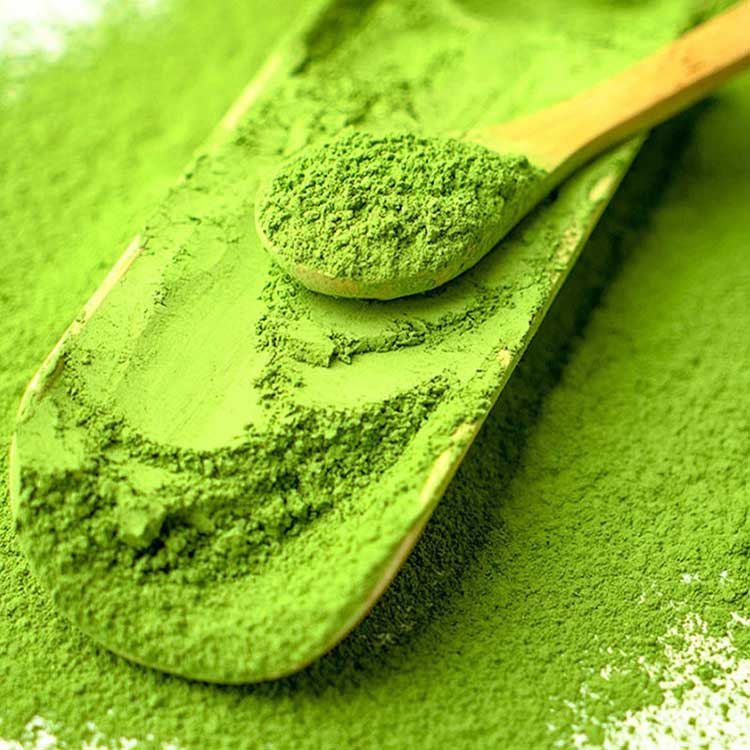
Matcha is a finely ground green tea powder made from shade-grown tea leaves. Unlike regular green tea, where leaves are steeped and removed, matcha is consumed entirely.
This means customers are drinking the whole leaf, not just an extract.
Before harvest, tea plants are shaded for several weeks. This process increases chlorophyll levels and boosts amino acids, especially L-theanine. After harvesting, the leaves are steamed, dried, and stone-ground into a fine powder.
For cafés, matcha quality matters a lot. Latte-grade matcha is typically used in milk-based drinks because it balances color, flavor, and cost.
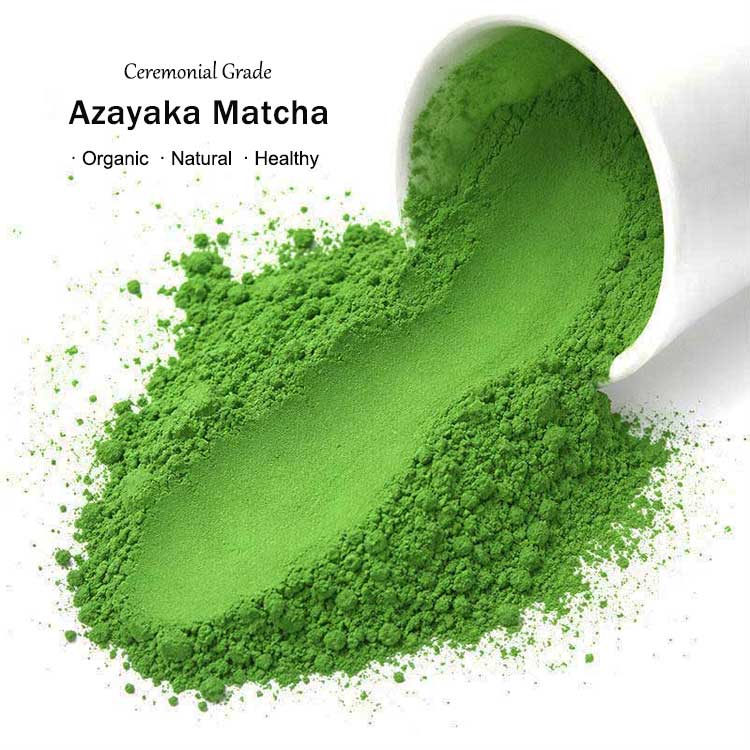
Good matcha should look bright green, not dull or yellowish.
What Is Coffee?
Coffee comes from roasted coffee beans, which are the seeds of coffee cherries. After harvesting, beans are processed, roasted, ground, and brewed into drinks like espresso, drip coffee, or cold brew.
Roasting is what gives coffee its signature aroma and bold flavor.
Depending on origin and roast level, coffee can taste:
- Chocolatey
- Nutty
- Fruity
- Smoky
- Bitter or bold
Coffee is one of the most widely consumed beverages in the world because of its strong flavor and immediate energy effect.
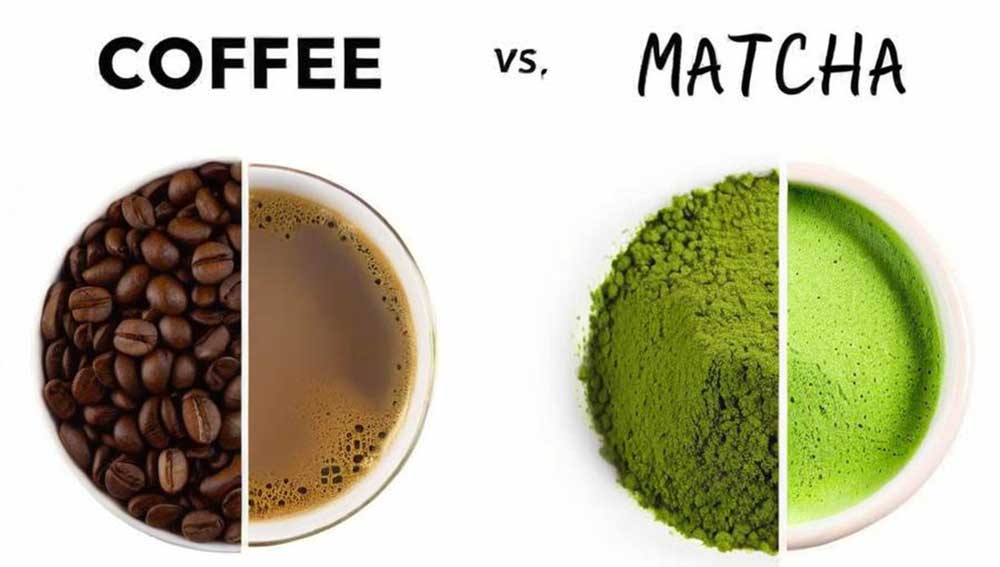
Caffeine Difference: Matcha vs Coffee
One of the biggest misconceptions is that matcha has no caffeine. It does—but the experience is different.
| Drink | Typical Caffeine (8 oz) | Energy Feel |
|---|---|---|
| Matcha (2g) | 60–70 mg | Slow, steady |
| Espresso (1 shot) | 63–75 mg | Quick boost |
| Brewed Coffee | 90–120 mg | Strong peak |
Coffee tends to hit quickly, which is why it feels stronger at first.
Matcha contains both caffeine and L-theanine, which changes how the body processes stimulation. Many customers describe it as smoother and less jittery.
Energy Experience: Fast vs Steady
Coffee is often chosen for immediate alertness. It works well for customers starting their day or needing a quick mental push.
Matcha is often chosen for focus that lasts longer without a sharp crash.
This difference is important for cafés because it reflects two different customer behaviors:
- Coffee customers want speed and intensity
- Matcha customers want balance and consistency
Instead of competing, the two drinks actually serve different needs.
Taste Difference
Coffee has a strong roasted flavor that varies widely depending on bean origin and roast level.
Matcha has a completely different profile.
Good matcha tastes:
- Smooth
- Lightly sweet
- Slightly vegetal
- Umami-rich
- Less bitter than low-quality green tea
When mixed with milk, matcha becomes creamy and soft, which makes it very appealing for iced drinks and lattes.
However, quality is critical. Low-grade matcha can taste bitter or muddy, especially in milk-based recipes.
Nutrition Comparison
Both drinks contain beneficial compounds, but they are different in composition.
Matcha contains:
- Antioxidants (especially catechins like EGCG)
- L-theanine
- Chlorophyll
- Natural caffeine
Coffee contains:
- Caffeine
- Antioxidants
- Small amounts of micronutrients depending on brewing method
Matcha is often positioned as a “functional wellness drink,” while coffee is positioned as a “performance and productivity drink.”
Cost and Café Profitability
From a business perspective, both drinks can be profitable, but matcha often provides higher menu flexibility.
Coffee pricing is relatively standardized in most markets. Matcha, however, allows cafés to create premium drinks such as:
- Strawberry Matcha Latte
- Vanilla Matcha Latte
- Coconut Matcha
- Iced Matcha Cloud Drinks
Because matcha drinks are still perceived as “specialty,” they often support higher menu prices.
The key factor is ingredient quality. High-quality latte-grade matcha produces better color and flavor consistency, which directly affects repeat purchases.
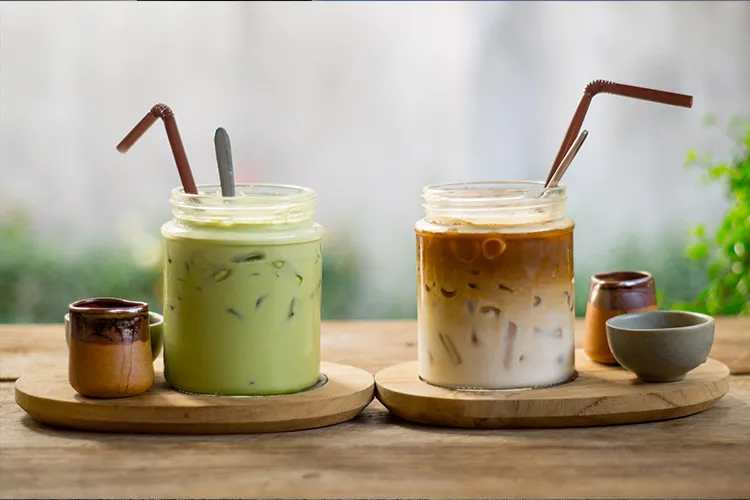
Why More Coffee Shops Are Adding Matcha
Matcha is no longer just a trend. It has become a stable category in specialty cafés.
The main reasons include:
- Strong visual appeal (bright green color)
- Social media popularity
- Health-conscious customer demand
- Menu diversification
- Higher perceived value per drink
In many cafés, matcha is no longer a substitute for coffee—it’s an additional revenue stream.
Which Is Better for Your Café?
There is no single winner between matcha and coffee.
Coffee remains essential because it drives daily traffic and repeat customers.
Matcha, however, adds differentiation and attracts a different customer segment.
For most cafés, the strongest strategy is not choosing one over the other, but building a menu that includes both.
A simple way to think about it:
- Coffee brings customers in
- Matcha increases order value and variety
Together, they strengthen the overall menu.
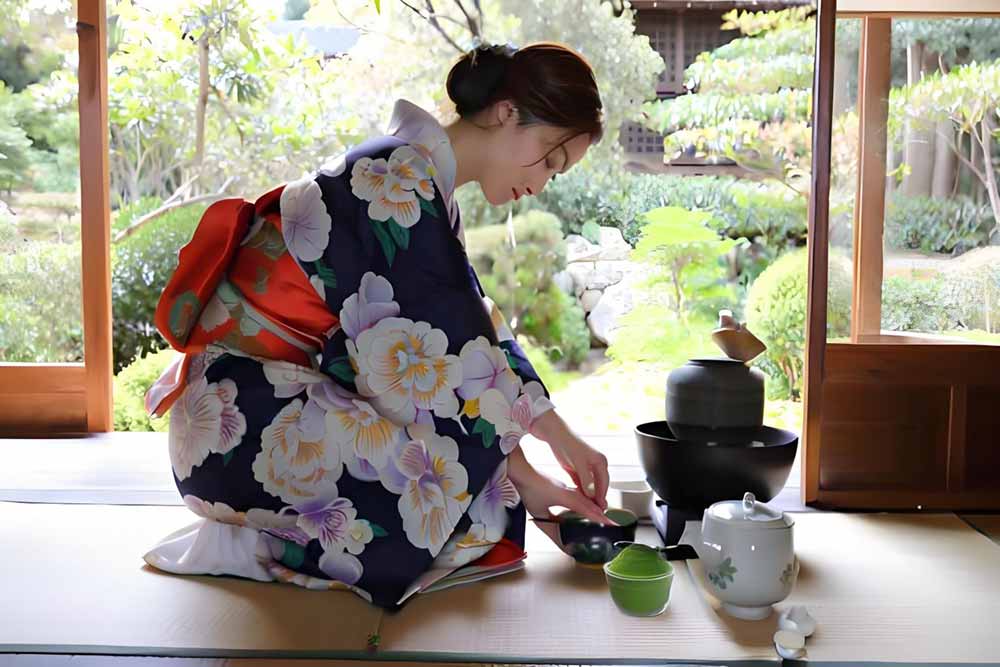
Matcha and coffee serve different purposes, both in taste and in customer behavior.
Coffee is fast, bold, and familiar.
Matcha is smooth, balanced, and visually distinctive.
For cafés, the opportunity is not replacing coffee with matcha, but using matcha to expand what the menu can offer.
As customer preferences continue to shift toward functional and visually appealing beverages, matcha is likely to become a permanent category in modern coffee shops.
FAQ
Is matcha healthier than coffee?
Both have benefits. Matcha contains L-theanine and higher levels of certain antioxidants, while coffee is known for its stimulating effects and antioxidants.
Does matcha have more caffeine than coffee?
No. Coffee usually contains more caffeine per serving, but matcha provides a smoother energy experience.
Why is matcha so popular in cafés?
Because it is visually appealing, versatile, and supports premium pricing.
Can cafés make profit from matcha drinks?
Yes. Matcha drinks often have strong margins, especially when used in specialty lattes.
What type of matcha should cafés use?
Latte-grade matcha is typically best for milk-based drinks due to its balance of color, taste, and cost.