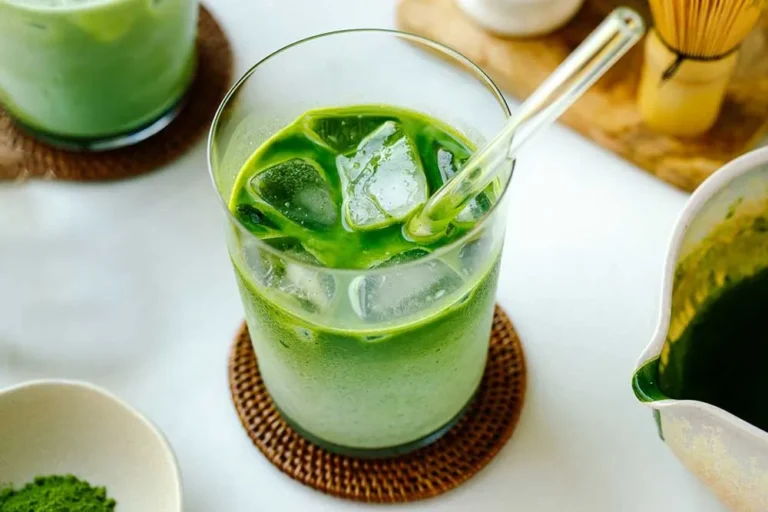

Matcha has become one of the most popular drinks in cafés across the United States. From classic matcha lattes to creative drinks like strawberry matcha and iced matcha, more customers are looking for green tea options alongside their favorite coffee drinks.
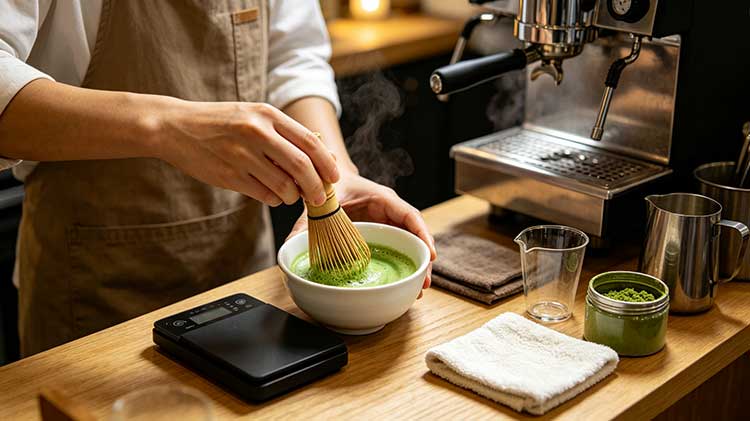
If you own a coffee shop, café, boba shop, or restaurant, adding matcha to your menu can be a great way to offer something new. But before you start making matcha drinks, there is one important decision:
Choosing the right wholesale matcha supplier.
The matcha you use will affect everything—from the color of your drinks to the taste your customers remember.
A good matcha latte can become a customer favorite. A poor-quality matcha can leave people wondering why their drink tastes bitter or looks different from what they saw online.
So how do you choose the right matcha supplier for your business?
Let’s take a look.
Why Your Matcha Supplier Matters
When customers order a matcha latte, they usually notice three things first:
The color, the taste, and the overall experience.
Unlike coffee, where milk, syrups, and roasting flavors can change the taste profile, matcha has a very recognizable flavor. The quality of the powder makes a big difference.
A high-quality matcha usually has:
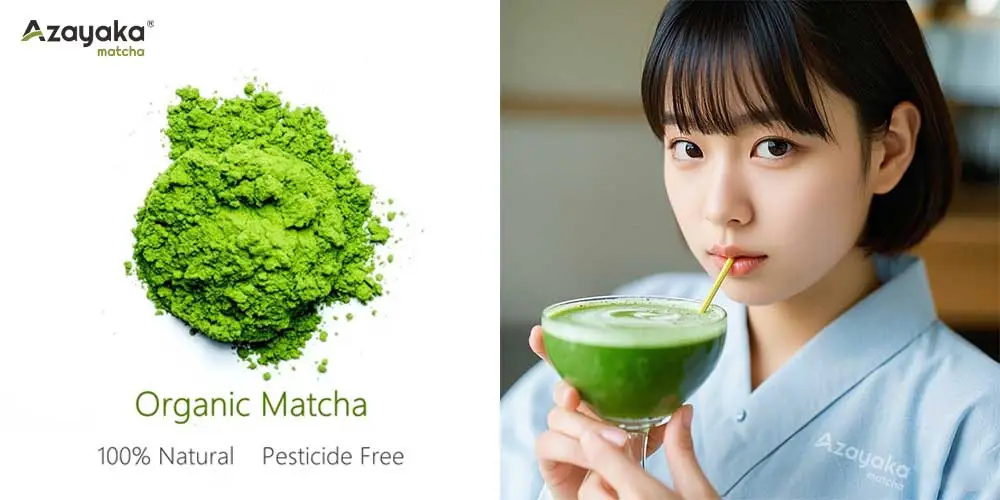
- A bright green color
- A smooth taste
- A fresh tea aroma
- A balanced sweetness
- Less bitterness
A lower-quality matcha may look dull, taste overly bitter, or require extra sugar and flavors to make it enjoyable.
For a café, consistency matters. If a customer loves your matcha latte today, they expect it to taste the same next week.
That is why choosing the right wholesale matcha supplier is not just about buying an ingredient. It is about creating a drink your customers will come back for.
What Should Coffee Shops Look for in a Wholesale Matcha Supplier?
There are many matcha suppliers online, and choosing one can feel overwhelming.
Here are a few things worth considering before placing a large order.
1. Choose Matcha That Fits Your Menu
One common mistake cafés make is choosing matcha based only on the name or price.
You may see terms like:
But the most expensive matcha is not always the best choice for a café.
Think about how you will use it.
For example:
A traditional tea drink may require a different matcha than a matcha latte made with oat milk.
For most coffee shops, a high-quality latte-grade matcha is often the best option because it provides:
- Good color
- Smooth flavor
- Easy mixing
- Better cost control
The right matcha is the one that works well for your customers and your menu.
2. Look at the Color
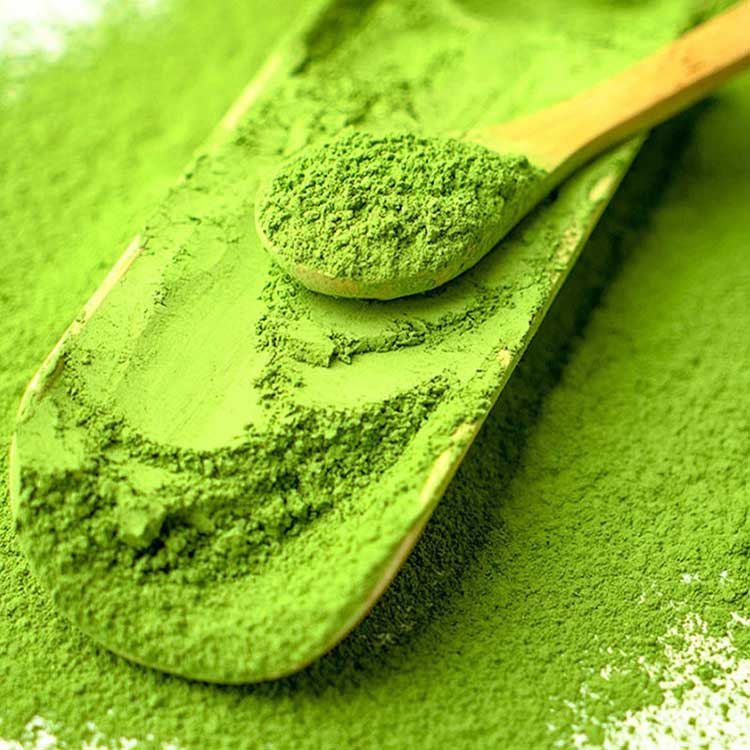
One of the easiest ways to judge matcha quality is by looking at the color.
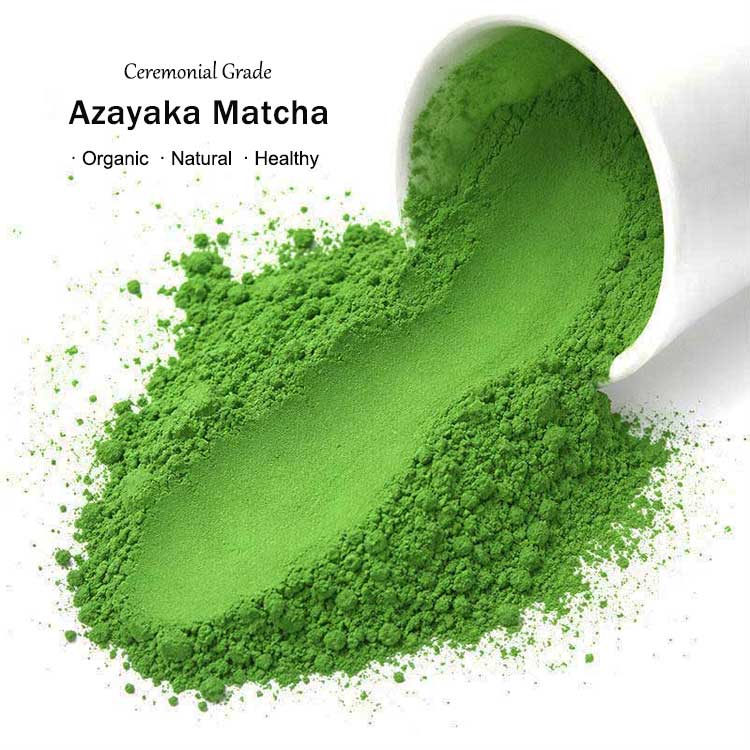
Fresh, high-quality matcha usually has a beautiful green color.
Why does this matter?
Because customers eat with their eyes first.
A bright green matcha latte looks fresh, premium, and inviting. It is also more likely to be shared on social media.
If matcha looks yellowish or brown, it may indicate older tea leaves, poor storage, or lower quality.
3. Taste Matters More Than Price
When buying wholesale matcha, it can be tempting to choose the cheapest option.
But saving a little money on powder may not help if customers do not enjoy the drink.
A good café matcha should have:
- A smooth texture
- Mild sweetness
- A pleasant tea flavor
- A clean finish
It should work well with different types of milk, including:
- Whole milk
- Oat milk
- Almond milk
- Coconut milk
Before buying in bulk, it is always a good idea to test the matcha in your own recipes.
4. Ask About Sourcing and Quality
A trustworthy matcha supplier should be able to answer basic questions about their product.
For example:
- Where is the matcha from?
- How is it processed?
- How is it packaged?
- How is freshness maintained?
You do not need to be a tea expert, but understanding where your ingredients come from helps you make better decisions for your business.
Many cafés today also share ingredient stories with customers. Knowing your matcha’s background can become part of your brand story.
5. Make Sure Supply Is Reliable
Imagine your matcha latte becomes one of your best-selling drinks, but suddenly you cannot get more matcha.
That can create a frustrating situation.
A good wholesale matcha supplier should provide:
- Reliable inventory
- Consistent quality
- Clear communication
- Reasonable shipping times
For growing cafés, having a dependable supplier is just as important as having a great recipe.
Wholesale Matcha Is About More Than Saving Money
When café owners compare suppliers, price is naturally an important factor.
But the cheapest matcha is not always the best value.
A better question is:
“Which matcha gives my customers the best experience while keeping my costs reasonable?”
A quality matcha can help you:
- Create better drinks
- Build customer loyalty
- Charge premium menu prices
- Stand out from other cafés
Many successful cafés use matcha as a way to expand their menu and attract customers who may not always choose coffee.
Final Thoughts
Choosing a wholesale matcha supplier does not have to be complicated.
Start with the basics:
- Does it taste good?
- Does it look good?
- Is the quality consistent?
- Can the supplier support your business as you grow?
The right matcha supplier becomes more than just a vendor. They become a partner helping you create drinks your customers enjoy.
As matcha continues to grow in popularity across the café industry, having a reliable source of quality matcha can help your business stay ahead of the trend.
FAQ
What is the best matcha for coffee shops?
For most coffee shops, latte-grade matcha is a popular choice because it provides good color, flavor, and performance in milk-based drinks.
How do I choose a wholesale matcha supplier?
Look for consistent quality, reliable supply, transparent sourcing, and matcha that works well for your menu.
Is wholesale matcha profitable for cafés?
Yes. Matcha lattes and specialty matcha drinks can be profitable menu items when pricing and ingredients are managed properly.
How much matcha is used for one latte?
Most cafés use around 2–4 grams of matcha powder per drink, depending on the recipe.