
Grades and Selection Guide of Matcha Powder
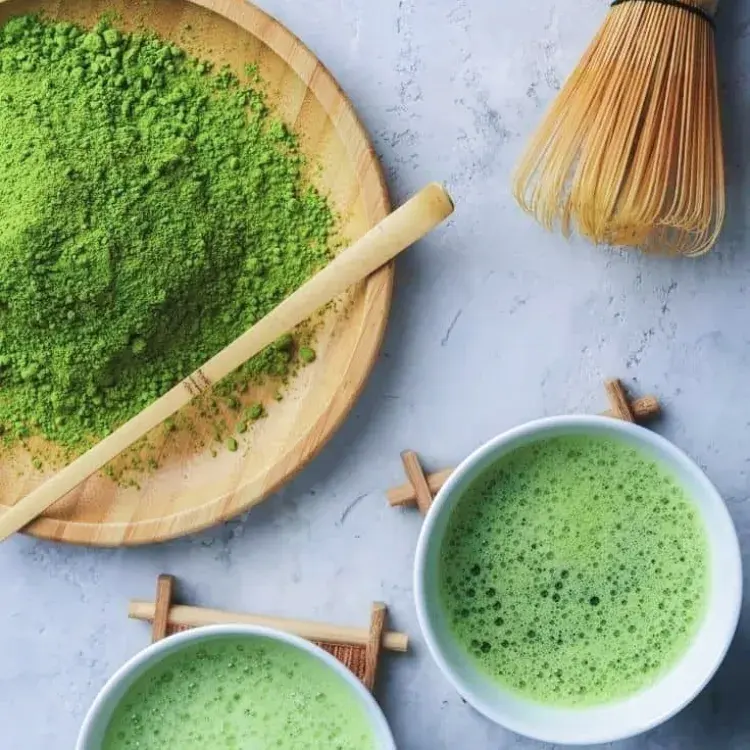
What is Matcha?
Because of this unique consumption method, matcha is especially rich in antioxidants, chlorophyll, L-theanine, and natural caffeine, making it one of the most nutrient-dense forms of green tea.
If you are considering buying or brewing matcha, you may quickly notice that not all matcha powders are the same. Differences in growing conditions, harvest timing, and processing methods result in matcha powders with distinct color, aroma, texture, flavor, and intended use.
1. Types of Japanese Matcha Powder
Traditionally, Japanese matcha is classified into three main categories based on cultivation method, harvest season, and leaf maturity:
- Ceremonial Grade
- Daily (Traditional) Grade
- Culinary Grade
Each grade serves a different purpose and offers a unique sensory experience.
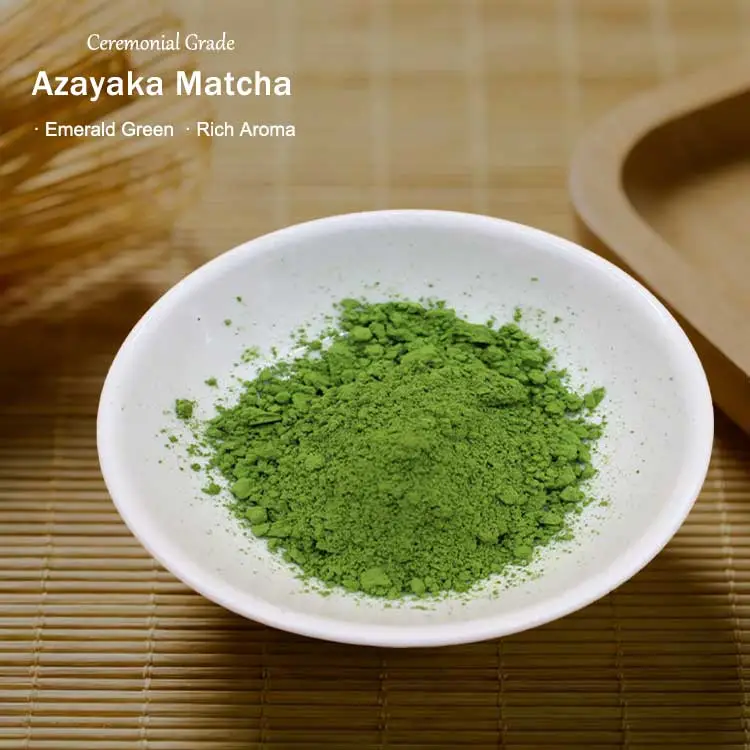
Ceremonial Grade Matcha
Ceremonial grade matcha represents the highest quality of matcha powder. It is produced from the youngest and most tender tea leaves, usually harvested during the first flush of the season.
This grade is specifically crafted for traditional Japanese tea ceremonies. It features:
- A vibrant emerald green color
- A fresh, sweet, and umami-rich aroma
- A silky-smooth texture
- A naturally sweet, complex, and creamy taste
Due to its extremely high chlorophyll content and careful processing, ceremonial grade matcha is best enjoyed on its own with water, without milk or sweeteners.
Daily Grade Matcha (Traditional Grade)
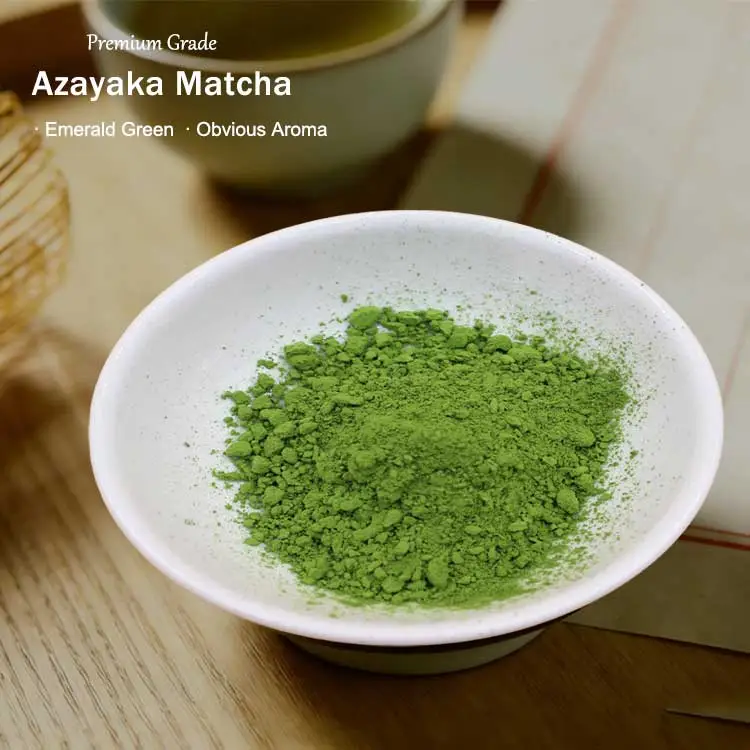
Daily grade matcha—sometimes referred to as high-quality or traditional grade—sits between ceremonial and culinary grades in terms of quality and versatility.
It offers:
- A balanced and refreshing flavor
- A clean aroma
- A smooth mouthfeel
- A bright green color
Daily grade matcha can be enjoyed both plain or combined with milk, water, or mild sweeteners, making it an excellent choice for everyday drinking and for matcha beginners seeking flexibility.
Culinary Grade Matcha
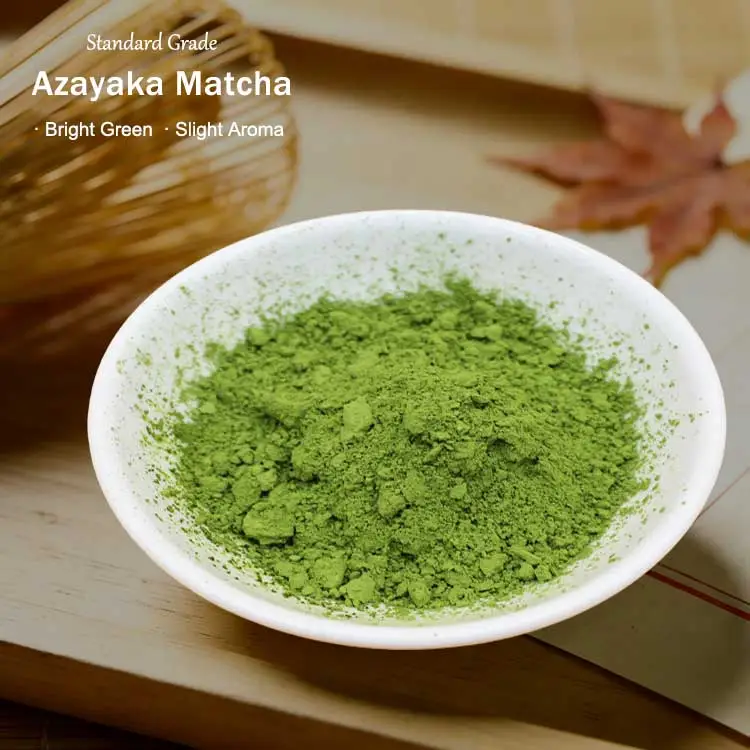
Culinary grade matcha is designed primarily for cooking, baking, beverages, and functional food applications. It is typically made from tea leaves harvested later in the season (second, third, or even fourth harvest).
Compared to ceremonial and daily grades, culinary matcha:
- Has a stronger, more robust flavor
- Contains higher levels of catechins
- May present a slightly bitter or savory taste
This grade performs exceptionally well when mixed with other ingredients, such as in matcha lattes, desserts, ice cream, smoothies, and baked goods.
2.Azayaka Matcha Grading System
In order to meet diverse usage needs, we specially divide our products into four grades: DY1, DY2, DY3 and DY4.
| Picture | Grade | Color | Smell | Taste | Applications |
|---|---|---|---|---|---|
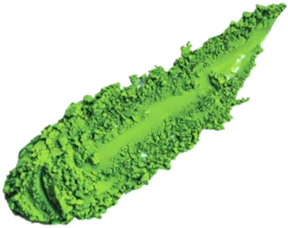 | DY4 Ceremonial Grade | Bright Emerald Green | Obvious Aroma | Strong Fresh Mellow Taste | Tea ceremony, For high-end products. |
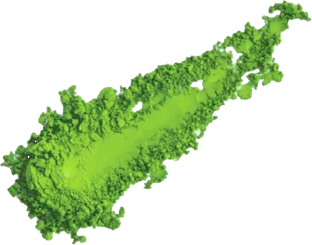 | DY3 Ceremonial Grade | Bright Emerald Green | Obvious Aroma | Strong Fresh Mellow Taste | Tea ceremony, For high-end drinks. |
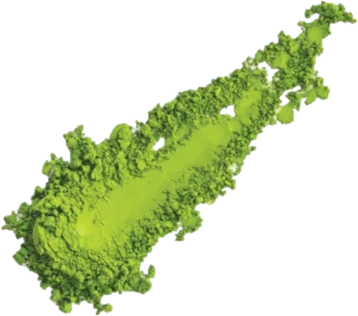 | DY2 Standard Grade | Bright Green | Obvious Aroma | Fresh Mellow Taste | For daily drinks, coffee, beverages,icecream etc. |
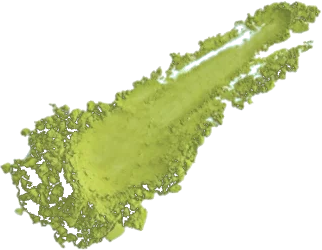 | DY1 Culinary Grade | Green | Slight Aroma | Slightly Bitter Taste | For Daily Drinks, baking and so on. |
3.How to Compare Matcha Powder Quality
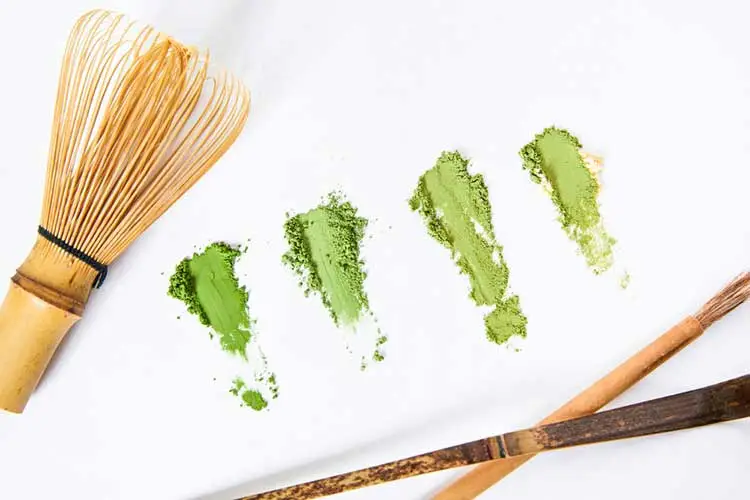
- Place small piles of different matcha powders on a sheet of paper.
- Use your finger to draw a line through each pile.
- Wipe your finger clean between tests.
High-quality matcha will feel noticeably smoother and produce more solid, longer-lasting lines, indicating finer grinding and better leaf quality.
4.Matcha Grades and Health Benefits
All grades of matcha share similar core nutrients, but their nutritional emphasis differs depending on harvest timing:
- Ceremonial grade matcha (first harvest)
- Higher levels of L-theanine and caffeine
- Promotes calm focus and alertness
- Daily and culinary grades (later harvests)
- Higher concentrations of antioxidants and catechins
- Ideal for functional beverages and food applications
5. How to Choose the Right Matcha Grade for You
When selecting the most suitable matcha grade, consider your intended use and personal preference:
- Do you enjoy traditional matcha prepared with water?
- Do you prefer matcha lattes or sweetened beverages?
- Are you using matcha for baking, smoothies, or cooking?
Once your purpose is clear, choosing the right grade becomes simple and cost-effective.
6.Final Notes on Matcha Quality
When evaluating matcha quality, color alone is not enough. Important factors include:
- Origin
- Growing method
- Harvest timing
- Processing technology
While grading standards vary between brands, high-quality matcha is typically sourced from traditional tea-growing regions such as Uji, Kyoto, Japan.
Azayaka Tea offers a wide range of matcha grades—from ceremonial to late-harvest culinary options—ensuring stable quality and reliable supply for both retail and wholesale needs.