

Matcha has transitioned from a niche Japanese tea to a global sensation, and businesses in various industries are incorporating it into their products. Whether you run a café, bakery, or smoothie bar, understanding which type of matcha to purchase is essential for maintaining product quality, consistency, and customer satisfaction. In this blog, we’ll explore how to choose the right matcha for different business needs and why quality matters when sourcing matcha powder.
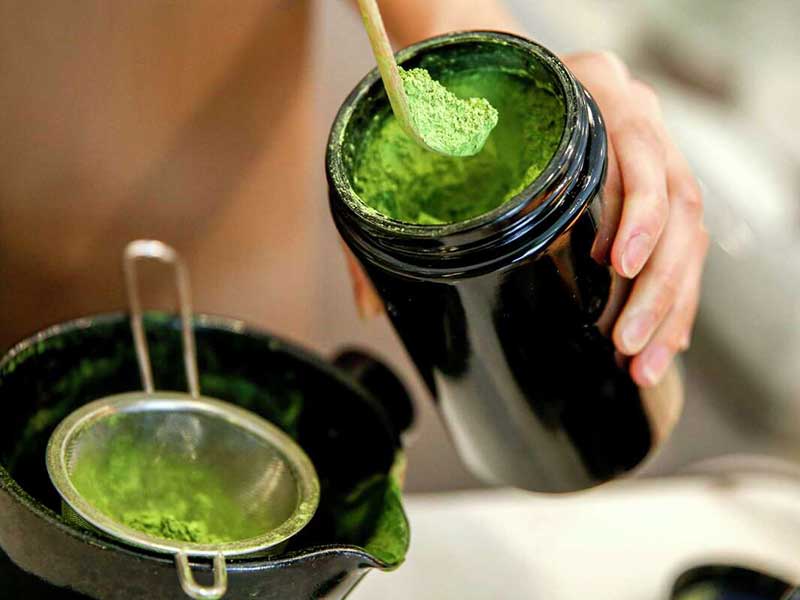
1. Matcha for Cafés: Quality and Flavor Are Key
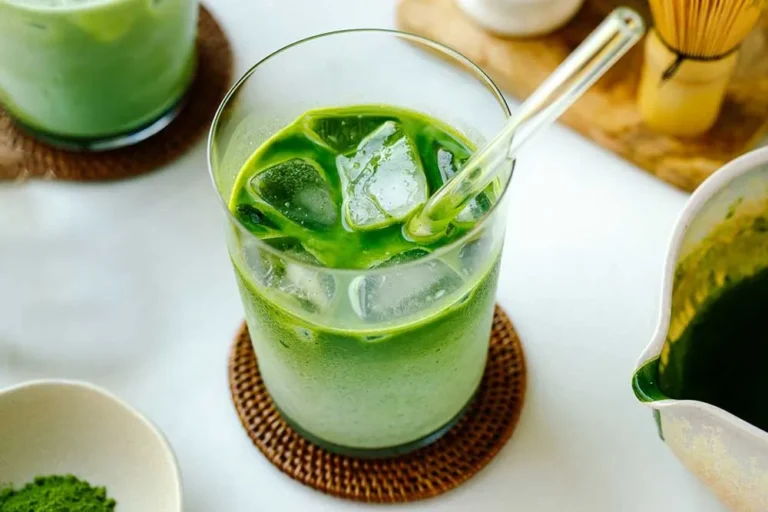
Cafés are one of the most popular places to enjoy matcha, whether in the form of a traditional matcha latte, iced matcha, or matcha-based espresso drinks. For café owners, the matcha you choose will have a direct impact on the taste and presentation of your drinks.
Key Considerations:
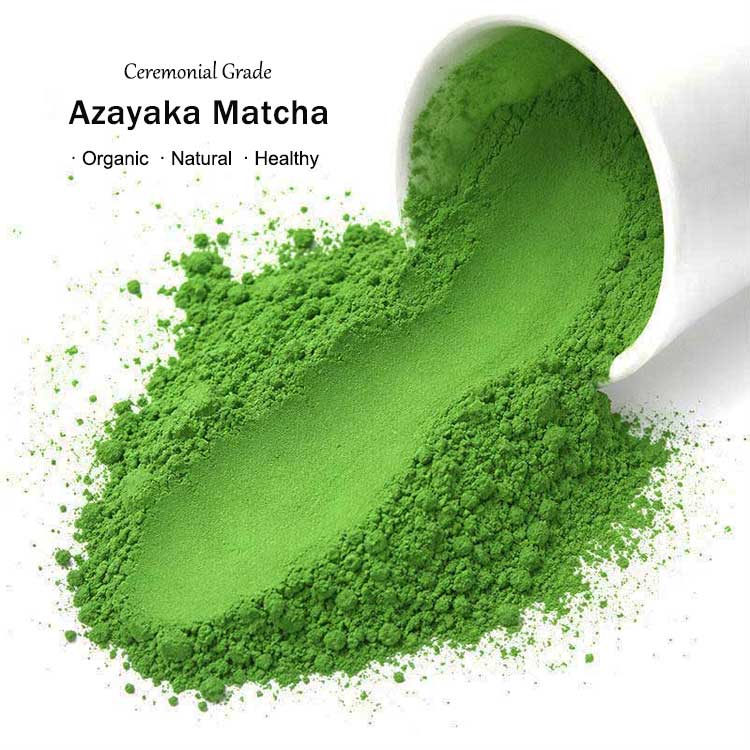
- Flavor Profile: Cafés often use matcha as a primary ingredient in drinks, so flavor is crucial. Look for a matcha that has a rich, umami flavor with slight bitterness but not overpowering. Ceremonial-grade matcha, made from young leaves, is often the best choice for drinks that emphasize the matcha’s flavor.
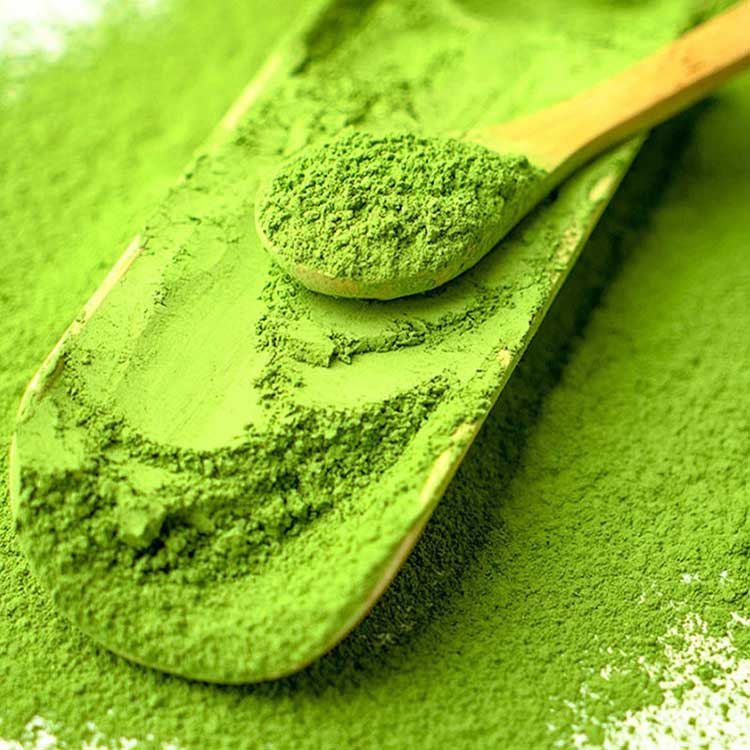
- Color: Vibrant green is the hallmark of high-quality matcha. When sourcing matcha for your café, opt for matcha with a bright green color, as it indicates freshness and quality.
- Frothability: A good matcha powder should easily mix with milk or water to create a smooth, frothy texture. Powders that do not blend well will leave clumps in your drinks, which customers will find unappealing.
Recommendation:
For cafés, ceremonial-grade matcha is often preferred for premium matcha lattes and other high-end drinks, though culinary-grade matcha may be suitable for cost-effective options.
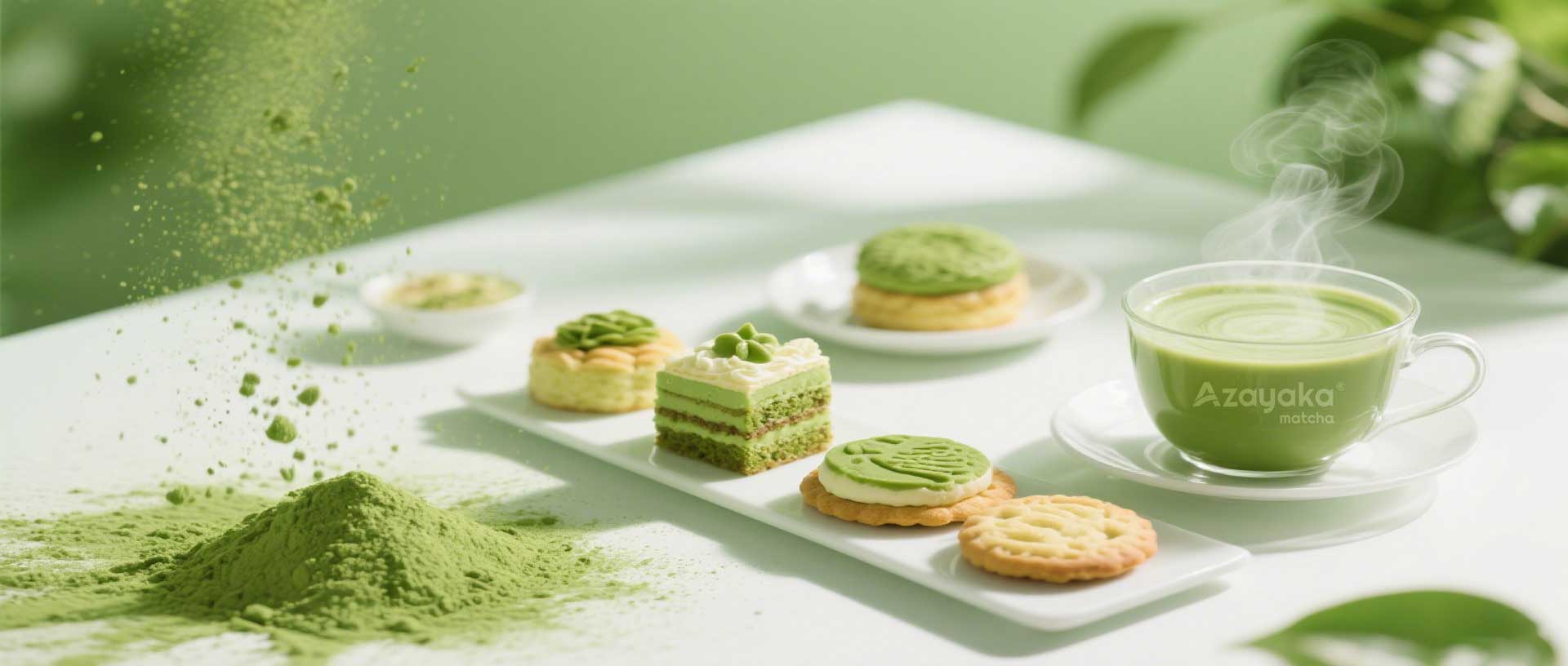
2. Matcha for Bakeries: Flavor and Baking Performance
Bakeries are increasingly adopting matcha as a flavoring agent for a variety of baked goods, from matcha cakes and cookies to matcha croissants and pastries. In these applications, flavor is still important, but how the matcha behaves during baking plays a key role.
Key Considerations:
- Flavor Intensity: Culinary-grade matcha is typically the best choice for bakeries. This grade of matcha is robust enough to hold its flavor during the baking process while still offering a pleasant, earthy taste.
- Consistency: Matcha in baked goods should have a smooth consistency and blend well into doughs or batters. It’s essential to choose a finely ground matcha that integrates seamlessly into recipes.
- Color Retention: During baking, some matcha powders may lose their vibrant green color, so it’s important to source matcha that retains its color even after heat exposure. This is especially important for visual appeal.
Recommendation:
For bakeries, culinary-grade matcha is perfect for flavoring baked goods, as it offers a balance of taste, color retention, and affordability.
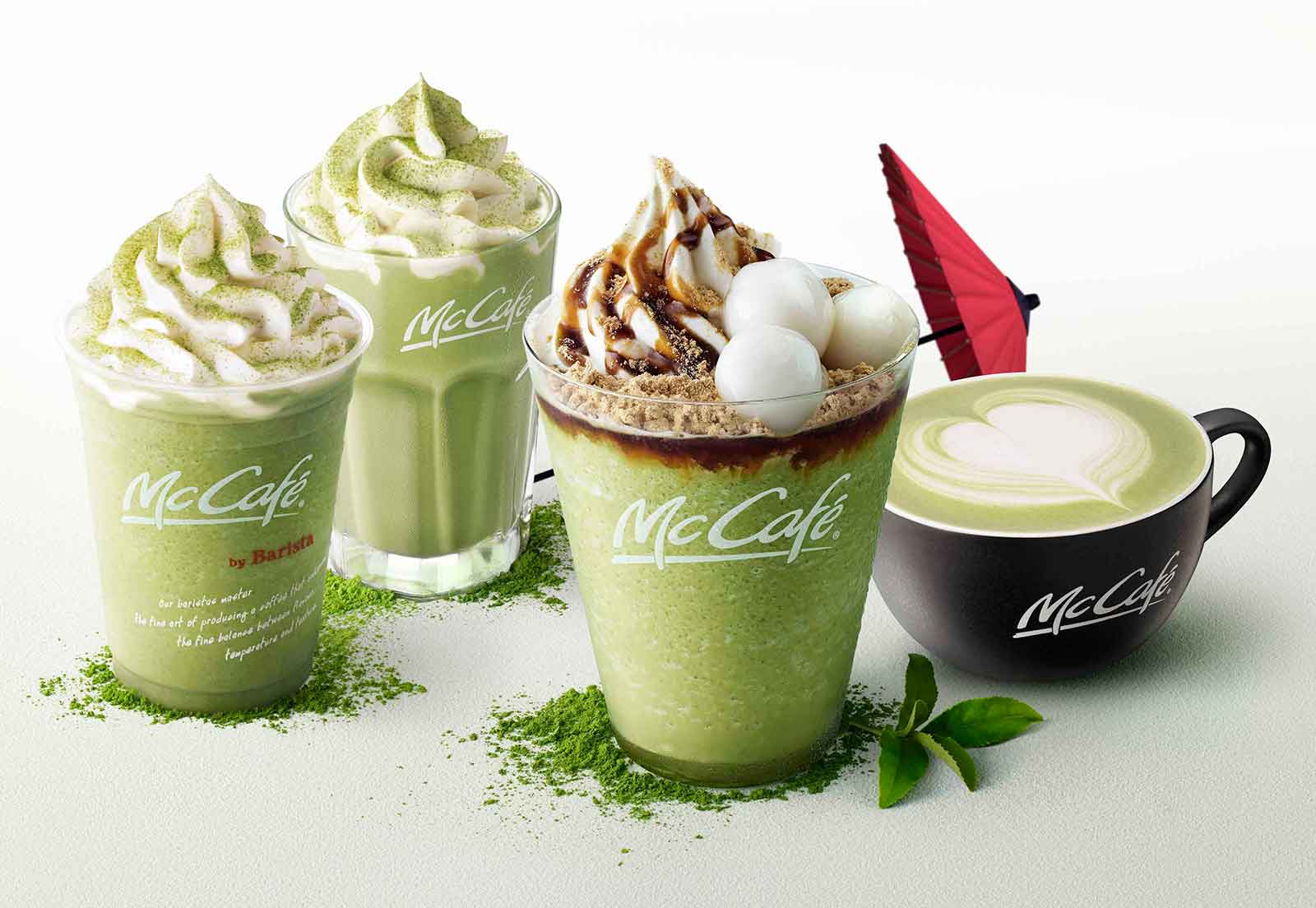
3. Matcha for Smoothie Bars: Instant Dissolving and Nutrient Retention
Smoothie bars are popular for health-conscious consumers who love adding matcha to their smoothies for an extra boost of energy and antioxidants. For smoothie bars, the right matcha should be easy to blend, nutritious, and consistent in flavor.
Key Considerations:
- Dissolvability: Smoothie bars need matcha that dissolves easily in liquid. Choose a finely milled, high-quality instant matcha powder that quickly dissolves in water, milk, or plant-based alternatives without clumping.
- Nutrient Preservation: When sourcing matcha for smoothies, opt for matcha that preserves its nutrients, particularly antioxidants like catechins. Organic matcha is a great choice for those looking to offer a clean, healthy ingredient.
- Taste Consistency: For smoothies, consistency in flavor is important, as the matcha should complement the other ingredients without overwhelming them. Culinary-grade matcha is ideal here, as it offers a strong, yet balanced flavor profile.
ecommendation:
For smoothie bars, instant culinary-grade matcha works well because it blends easily and retains its vibrant flavor and nutritional benefits.
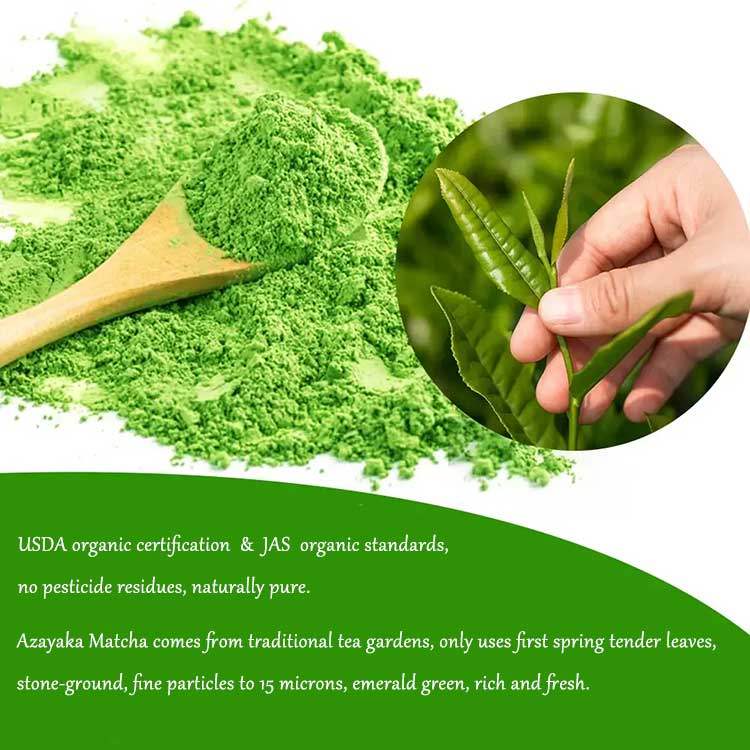
4. Tips for Sourcing Matcha for Your Business
When selecting matcha for your business, quality, and consistency are paramount. Here are a few tips to keep in mind while sourcing matcha:
- Check the Grade: Matcha comes in various grades—ceremonial, premium, and culinary. Choose based on your business’s needs. Ceremonial-grade is best for high-end drinks, while culinary-grade is more cost-effective for food applications.
- Look for Certifications: Organic matcha is becoming increasingly popular, especially for health-conscious consumers. Look for matcha with organic certifications and ensure the matcha is sourced from reputable farms.
- Consider Bulk Purchasing: For businesses with higher volume needs, buying matcha in bulk can help reduce costs. However, be sure to assess storage conditions to maintain freshness.
- Work with Trusted Suppliers: Partner with reputable matcha suppliers who prioritize quality and transparency. A trustworthy supplier will be able to provide samples and information about the matcha’s origin, quality, and production process.
5.Choosing the Right Matcha for Your Business
Matcha is no longer just a trendy ingredient—it’s a staple in many cafés, bakeries, and smoothie bars. By understanding the different types of matcha and how they perform in various applications, you can make informed decisions that enhance your product offerings and customer satisfaction. Whether you’re serving up matcha lattes, baking matcha-infused treats, or blending vibrant smoothies, the right matcha can elevate your brand and keep your customers coming back for more.
Remember, when sourcing matcha for your business, prioritize quality, flavor, and consistency. Your customers will notice the difference, and it will set your products apart in an increasingly competitive market.
Ready to elevate your menu with high-quality matcha? Contact us at info@innastars.com to learn more about our premium organic matcha for your café, bakery, or smoothie bar. We offer customized packaging and bulk orders to meet your business needs!

I want to start new business and i searching for ceremonial grade matcha.