
Walk into any grocery store or search online for “matcha,” and you’ll find everything from bright green ceremonial powders to dull olive “green tea blends” marketed as premium matcha.
But here’s the truth: not all matcha is authentic matcha.
As matcha’s popularity grows, so does the number of low-quality powders, mislabeled products, and imitation blends that confuse buyers. If you’ve ever wondered whether your matcha is real—or just overpriced green tea powder—this guide will help you tell the difference.
What Is Authentic Matcha?
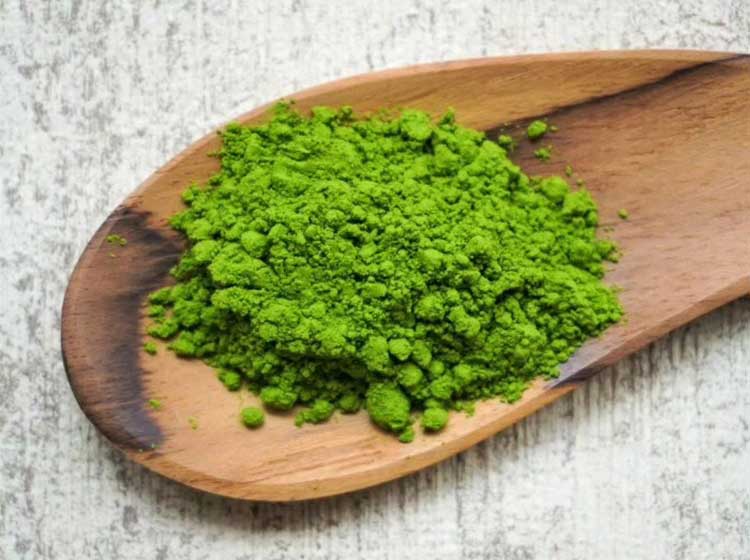
Authentic matcha is a finely ground powder made from shade-grown green tea leaves (tencha) that are carefully cultivated, steamed, dried, de-stemmed, and stone-milled.
Traditional matcha production follows a specific process:
- Tea plants are shaded for about 3–4 weeks before harvest
- Only young, nutrient-rich leaves are selected
- Veins and stems are removed
- Leaves are slowly stone-ground into ultra-fine powder
This process creates matcha’s signature:
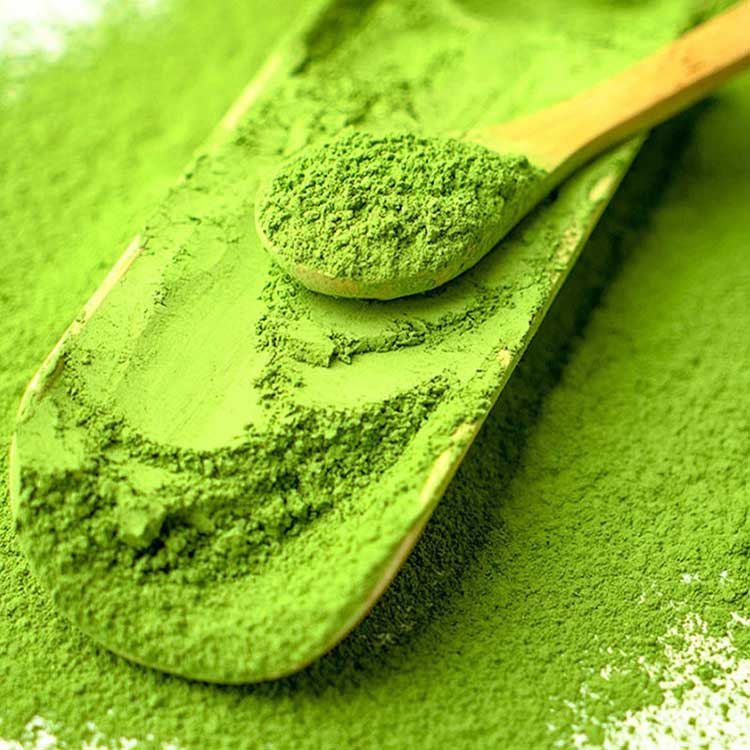
- Vibrant jade green color
- Smooth, creamy texture
- Natural sweetness
- Rich umami flavor
If these qualities are missing, there’s a good chance it isn’t authentic.
7 Ways to Tell If Matcha Is Real
1. Check the Color: Real Matcha Should Be Vibrant Green
One of the fastest indicators is color.
Authentic matcha:
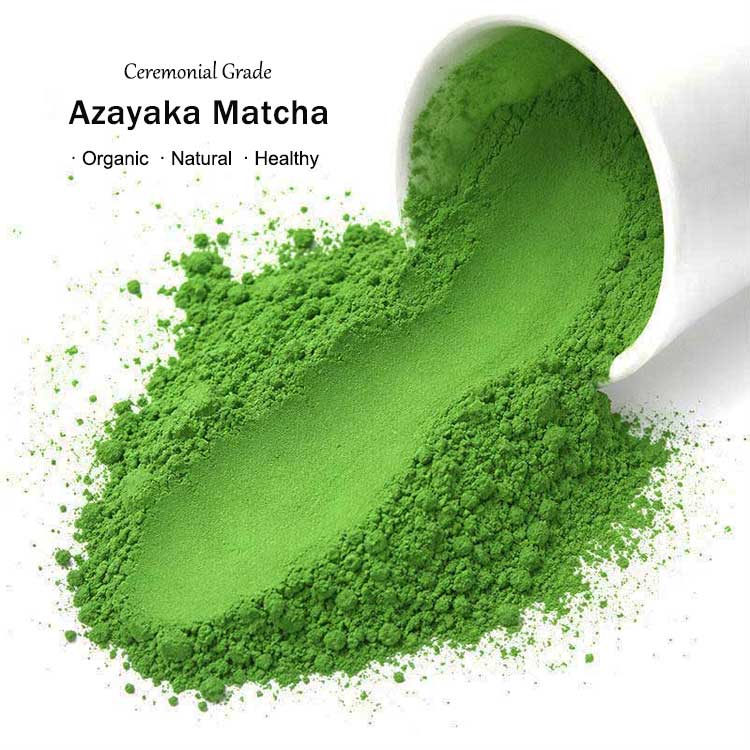
Bright, vivid green or emerald green
Fake or low-quality matcha:
Yellow-green, dull green, brownish, or khaki
Why it matters: Shade-growing boosts chlorophyll, which gives true matcha its rich green appearance. Poor-quality powders often come from older leaves or regular green tea leaves.
Rule of thumb:
If it looks dull, muddy, or brownish, it’s likely not premium matcha.
2. Look at the Ingredient List
Real matcha should contain one ingredient only:
100% matcha green tea powder
Red flags include:
- Sugar
- Fillers
- Artificial color
- Milk powder
- “Green tea blend”
- Flavoring agents
If it says “matcha latte mix” or “green tea powder blend,” it may not be pure matcha.
3. Know the Origin
High-quality matcha is traditionally sourced from Japan, especially renowned tea-growing regions such as:
- Uji (Kyoto)
- Nishio (Aichi)
- Shizuoka
- Kagoshima
While matcha can be produced elsewhere, authentic Japanese matcha often follows stricter cultivation and processing standards.
If the origin is vague or missing, be cautious.
4. Test the Texture
Authentic matcha should feel incredibly fine—almost like talcum powder or soft cocoa.
Good matcha:
Silky, smooth, clump-free
Poor-quality matcha:
Gritty, sandy, coarse
Stone milling produces microscopic particles that whisk smoothly into water.
5. Taste Matters: Real Matcha Is Not Supposed to Be Harsh
Authentic matcha has:
- Umami richness
- Mild sweetness
- Vegetal freshness
- Slight pleasant bitterness
Fake or poor-quality powders often taste:
- Sharp
- Bitter
- Chalky
- Fishy
- Burnt
If your matcha tastes aggressively bitter without balance, quality may be low.
6. Perform the Water Test
Whisk matcha with warm water.
Authentic matcha:
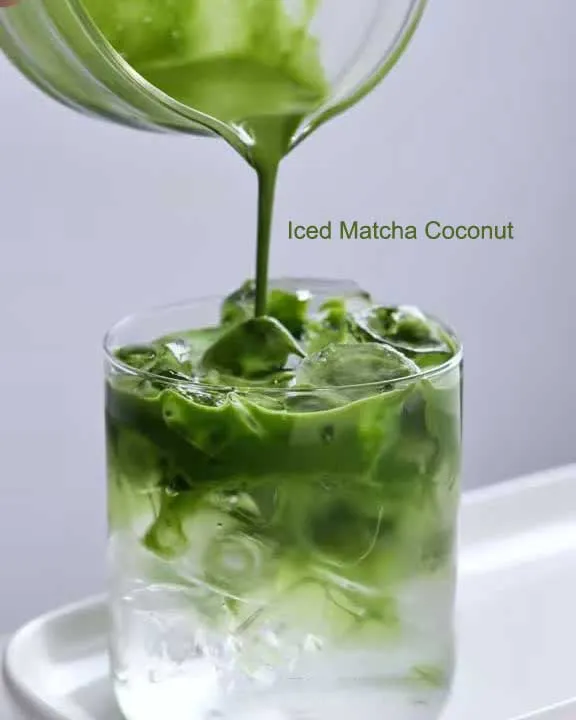
Creates a smooth suspension with fine froth
Fake or low-grade powder:
Settles quickly, clumps heavily, or floats unevenly
Because true matcha is finely milled, it disperses more evenly.
7. Price Can Be a Clue
Producing genuine matcha is labor-intensive. Extremely cheap “premium matcha” is often misleading.
If the price seems too good to be true, quality may have been sacrificed.
That doesn’t mean expensive always equals authentic—but authentic matcha rarely costs as little as generic green tea powder.
Common Signs of Fake Matcha
Watch for these warning signs:
- Dull yellow or brown color
- Bitter, grassy, or stale taste
- Coarse texture
- Added sugar or fillers
- No harvest or origin transparency
- Unrealistically low price
Ceremonial vs Culinary: Don’t Confuse Grade with Authenticity
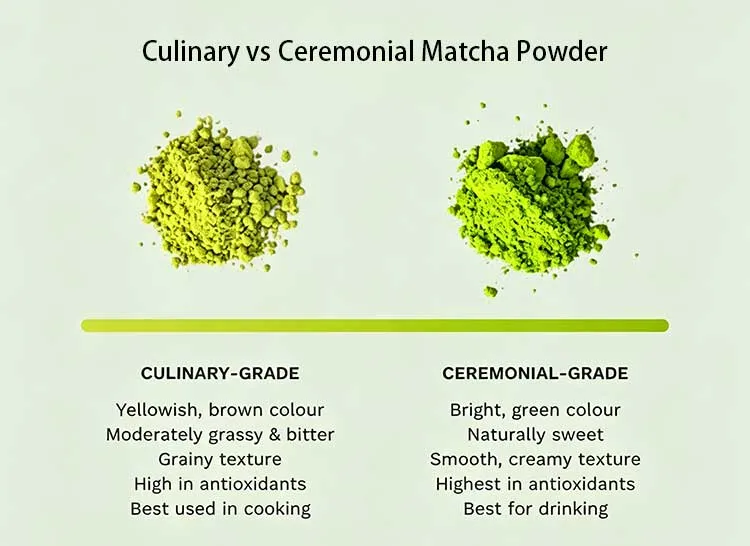
Both ceremonial and culinary matcha can be authentic.
Ceremonial grade:
Best for drinking, smoother, sweeter
Culinary grade:
Used for lattes, baking, smoothies, stronger flavor
The key is whether it’s real stone-ground shade-grown matcha, not just the grade label.
Why Fake Matcha Is So Common
Many products marketed as “matcha” are actually:
- Ground sencha
- Green tea powder
- Sugar-heavy latte mixes
- Artificially colored powders
Because “matcha” is a powerful marketing term, labeling can be misleading.
How to Buy Authentic Matcha
Before buying, ask:
Is it bright green?
Is it 100% pure matcha?
Is the origin clearly stated?
Is it shade-grown and finely milled?
If the answer is yes, you’re more likely getting the real thing.
Authentic matcha isn’t just about trend—it’s about traditional cultivation, nutritional integrity, and true flavor.
Real matcha should look vibrant, taste balanced, feel silky, and come with transparency.
The easiest way to avoid fake matcha?
Choose trusted suppliers that clearly state sourcing, grade, and processing methods.
Because when it comes to matcha, green isn’t enough—authenticity matters.