
Walk down any wellness‑focused grocery aisle or scroll social‑media beverage content, and mushroom matcha keeps popping up. It markets itself as an all‑in‑one morning drink: the beloved smooth lift of matcha, paired with adaptogenic functional mushrooms. But is this trendy blend worth adding to your cart, or just another wellness hype product? We break down what mushroom matcha actually is, its flavour profile, real‑world expectations around benefits, and how it stacks up against plain traditional matcha.
What Exactly Is Mushroom Matcha?
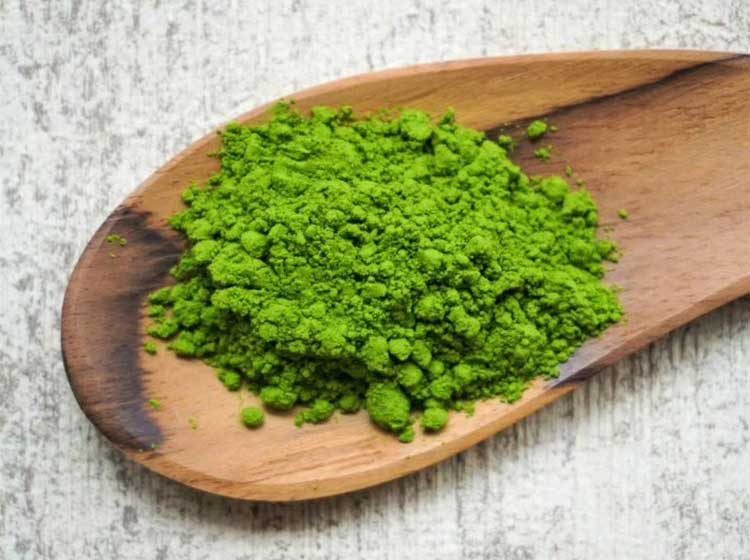
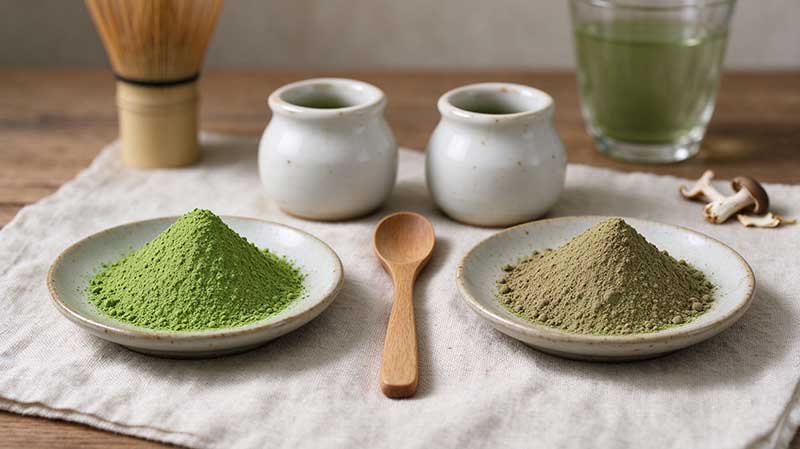
At its core, mushroom matcha is a powdered beverage blend combining ground Japanese matcha tea with dehydrated, powdered functional mushrooms. Most commercial mixes pull from a familiar roster: lion’s mane, reishi, cordyceps, chaga, and turkey tail are among the most frequently included varieties.
Quality formulations typically use shade‑grown Japanese matcha, stone‑ground at low speed to preserve tea compounds. The mushroom component can vary wildly between brands. Better products use fruiting‑body mushroom extracts; budget options sometimes fill space with grain‑grown mycelium, which delivers far fewer active compounds per serving. Many brands add tiny balancing touches, such as a pinch of unrefined pink salt, to round out earthy notes.
Unlike mushroom coffee, which swaps tea for roasted coffee beans, mushroom matcha draws its caffeine entirely from green‑tea matcha, alongside naturally occurring L‑theanine that creates slow, steady alertness rather than sharp jittery spikes.
What Benefits Do Brands Claim? What Does The Research Say?
Brands selling mushroom matcha market it for daily focus, steady energy, and general bodily balance. Lion’s mane gets promoted for mental clarity; cordyceps for stamina; reishi for stress support. It is critical to separate marketing language from proven human clinical data.
Compounds found in these mushrooms show promising results within lab and animal studies. Still, high‑quality human trials investigating daily drinkable mushroom‑matcha blends remain limited. Regulatory bodies such as the FDA do not review or validate wellness claims for these consumer powdered mixes, so advertised advantages should be treated as potential, not guaranteed outcomes.
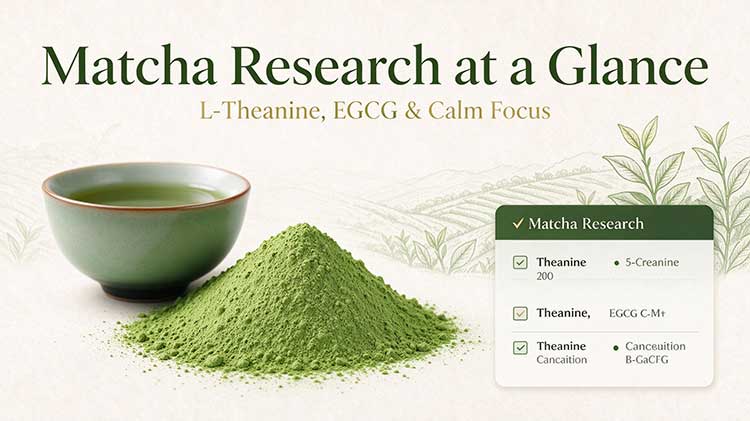
Matcha itself, by contrast, has extensive published research backing its antioxidant content from EGCG and L‑theanine, well‑documented within green‑tea literature.
Important safety note: If you are pregnant or breastfeeding, managing ongoing health conditions, or taking prescription medication, consult your healthcare provider before regularly drinking mushroom matcha. Reactions to functional‑mushroom blends can vary widely person‑to‑person, and safe long‑term intake data for many populations remains incomplete. Some drinkers report mild temporary digestive upset when first introducing concentrated mushroom powders to their diet, particularly blends heavy on reishi or chaga extracts.
Flavor Profile: Does Mushroom Matcha Taste Like Mushrooms?
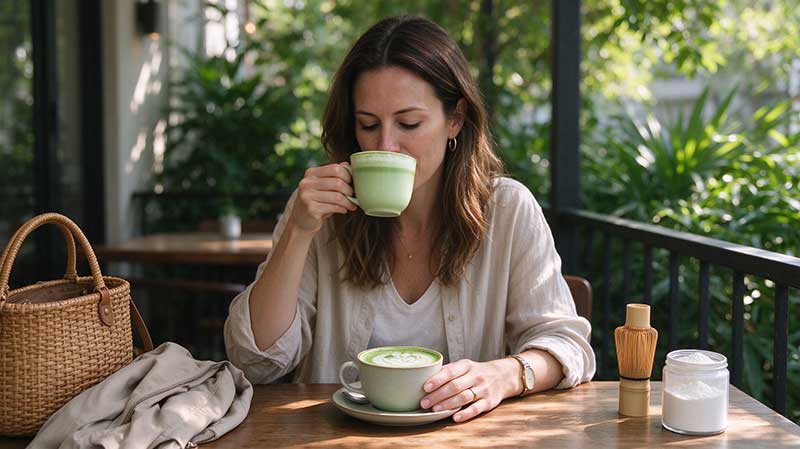
A common worry for curious shoppers is whether mushroom matcha will carry a strong, savoury mushroom taste. For most well‑balanced commercial blends, the answer is no. Matcha remains the dominant flavour, with mushrooms contributing subtle earthy depth in the background, rather than bold umami mushroom notes you would expect from culinary fungi.
Plain ceremonial‑grade matcha shines with bright grassy notes, sweet vegetal character, and rich umami. When you mix in mushroom powder, those bright matcha qualities soften. The finished sip is milder, deeper, and more grounded.
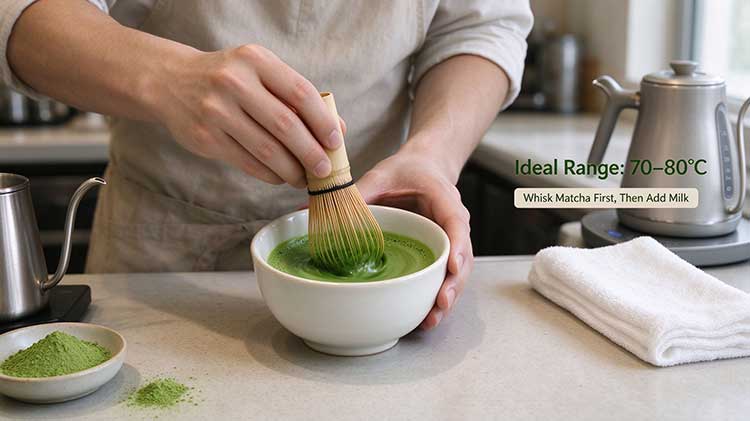
You prepare mushroom matcha exactly like ordinary matcha: whisked with hot filtered water for a straight tea, or combined with steamed oat, almond, or dairy milk for a creamy mushroom‑matcha latte. For anyone sensitive to caffeine, some brands sell mushroom hojicha, swapping regular matcha for roasted hojicha green tea to cut caffeine levels significantly, while keeping the full mushroom blend intact.
Mushroom Matcha vs Regular Matcha: Key Practical Differences
| Feature | Mushroom Matcha | Plain Regular Matcha |
|---|---|---|
| Core ingredients | Matcha + powdered functional mushrooms | Stone‑ground shade‑grown green‑tea powder only |
| Taste | Mild, earth‑forward; matcha leads, bright tea notes muted | Grassy, sweet, prominent umami; full tea character |
| Caffeine source | From matcha green tea | From matcha green tea |
| Supporting compounds | Tea antioxidants plus mushroom beta‑glucans | EGCG, L‑theanine, green‑tea catechins |
| Human research evidence | Limited for combined mushroom‑tea blends | Well‑studied green‑tea compounds |
| Best use case | Convenient all‑in‑one daily wellness beverage | Tasting single‑farm, single‑cultivar tea nuance, pure matcha ritual |
Plain matcha is ideal if you value the delicate terroir of specific tea farms or cultivars. Mushroom matcha sacrifices some of that pure matcha personality to pack functional‑mushroom ingredients into one quick‑to‑mix drink.
Price is another gap: mushroom matcha carries a noticeable premium. A premium blended mushroom‑matcha tin often retails for $35‑40 USD for roughly 150 g, while high‑quality pure ceremonial‑grade matcha starts around $28 USD for a compact 30 g tin. Cost reflects both mushroom‑ingredient sourcing and smaller‑batch blending work.

So: Is Mushroom Matcha Worth Buying?
Mushroom matcha works well for a specific type of consumer, but it is not for everyone.
Choose mushroom matcha if:
- You want one‑and‑done convenience, combining matcha and adaptogenic mushrooms in your morning routine
- You prefer mild, earth‑leaning drink flavours and do not mind softened matcha character
- You enjoy experimenting with functional‑food beverages and view benefits as supplementary rather than medical treatment
Stick to plain matcha if:
- You prioritise bright, complex matcha flavour and farm‑specific tea nuance
- You are searching for well‑proven health outcomes supported by human research
- You want to control exactly how much mushroom powder you consume (many brands hide individual mushroom dosages behind “proprietary blend” labelling)
Quick Shopping Tips When You Browse Mushroom‑Matcha Brands
If you decide to give mushroom matcha a try, keep these straightforward checks in mind before purchasing:
- Check ingredient labels for “fruiting‑body extract”. Avoid products that list only mycelium grown on grain as your mushroom source.
- Look for brands publishing individual mushroom‑extract dosage numbers; vague proprietary blends frequently contain very low mushroom quantities.
- Watch out for hidden additives such as inulin or chicory‑root fibre. These prebiotics can trigger gas and bloating for people with sensitive digestion, even if marketed as healthy ingredients.
- Confirm the base matcha grade. A good blend uses genuine shade‑harvested Japanese matcha rather than low‑grade culinary powder.
FAQs
Does mushroom matcha contain caffeine?
Yes. Its caffeine comes entirely from matcha green tea. Select mushroom‑hojicha variants if you need less caffeine in your routine.
Will I taste mushrooms when I drink it?
High‑quality blends deliver subtle earthiness only. The matcha flavour stays front‑and‑centre; strong mushroom flavour signals a poorly balanced product.
Can mushroom matcha replace medication?
No. Functional‑mushroom beverage blends are dietary supplements, not medical treatments. Human evidence for most advertised mushroom benefits remains limited. Always discuss new supplements with your doctor if you have health concerns.
Can I make mushroom matcha lattes?
Absolutely. Whisk the powder into hot water first, then top with steamed milk or plant‑milk alternative for a café‑style latte at home.
Final thought: Mushroom matcha is a fun, convenient wellness beverage, not a magic drink. If you go in with realistic expectations for flavour and effects, it can slot nicely into a relaxed daily ritual. If you love pure matcha’s bright tea complexity, save your money for high‑grade plain matcha powder instead.