
You whisked your matcha, took the first sip, and immediately noticed it: bitterness.
But here’s the thing—matcha is not supposed to taste like a cup of bitter green tea.
Good matcha can have a slightly vegetal character and a gentle bitterness, but it should also have sweetness, umami, a creamy texture, and a clean finish. When the bitterness takes over, there is usually a reason.
Sometimes the problem is the matcha itself.
But very often, the real problem is how the matcha is prepared.
From water temperature to the amount of powder you use, several small details can dramatically change the flavor of your cup.
Here’s what may be making your matcha taste bitter—and how to fix it.
1. Your Water Is Too Hot
This is one of the most common reasons matcha tastes harsh.
If you pour boiling water directly onto matcha, you can end up with a much more intense and astringent flavor.
For a smoother cup, try water around 160–175°F (70–80°C) rather than boiling water. This is also the preparation range recommended in our matcha brewing guide.
Why does temperature matter?
Matcha contains naturally occurring compounds including catechins, which contribute to bitterness and astringency. EGCG is one of the best-known catechins found in green tea and matcha.
Matcha is different from regular loose-leaf tea because you consume the powdered leaf itself. That means your preparation method has a direct effect on the overall flavor experience.
Try this:
If you normally use boiling water, let the water cool for a few minutes before whisking your matcha.
You may notice a softer, sweeter flavor immediately.
2. You’re Using Too Much Matcha
More matcha doesn’t always mean a better cup.
If you use a large amount of powder with only a small amount of water, the flavor becomes much more concentrated. That can make the bitterness and astringency overpower the natural sweetness and umami.
A simple starting point is:
- 1–2 teaspoons of matcha
- 2–3 oz of water
- Water around 160–175°F (70–80°C)
You can then adjust the amount according to your taste.
If your matcha tastes extremely strong, don’t immediately assume the powder is bad.
Try using a little less matcha or increasing the amount of water.
3. Your Matcha May Not Be Fresh
Matcha is a finely ground powder, which makes freshness especially important.
Once matcha is ground, much more of the tea is exposed to oxygen, light, heat, and moisture.
Poor storage can gradually affect its color, aroma, and flavor. Research on matcha storage has also found that temperature and storage time can affect its chemical composition and antioxidant activity.
Fresh matcha typically has:
- A vibrant green color
- A fresh vegetal aroma
- A smooth texture
- Natural sweetness
- A noticeable umami character
Older or poorly stored matcha may become duller in color and lose some of its fresh aroma.
Try this:
Keep matcha tightly sealed and protect it from heat, light, moisture, and unnecessary exposure to air.
And once you open a package, don’t leave it sitting on the kitchen counter for months.
4. The Matcha Itself May Be Too Bitter
Sometimes preparation isn’t the problem.
The raw material matters.
Matcha begins with tencha, the tea leaves that are shaded, harvested, processed, and eventually ground into powder.
The quality of those leaves can have a major effect on the final flavor.
Factors such as:
- Cultivar
- Shading
- Harvest timing
- Leaf selection
- Processing
- Storage
can all influence the taste.
Research on Japanese green tea indicates that shading affects compounds associated with matcha’s characteristic umami and astringency. Shading helps preserve theanine and is associated with higher chlorophyll levels in the leaves.
This is one reason properly produced matcha can taste much smoother than lower-quality green tea powder.
5. Later Harvests Can Have a Stronger Flavor
Harvest timing also matters.
Young tea leaves used for high-quality matcha can produce a more delicate and balanced flavor profile.
Older leaves and later harvest material can produce a stronger vegetal or astringent character.
That doesn’t automatically mean later-harvest matcha is “bad.” Different matcha products are made for different purposes.
For example, a bold culinary matcha can be useful when you’re making:
- Matcha lattes
- Smoothies
- Ice cream
- Cakes
- Cookies
- Matcha desserts
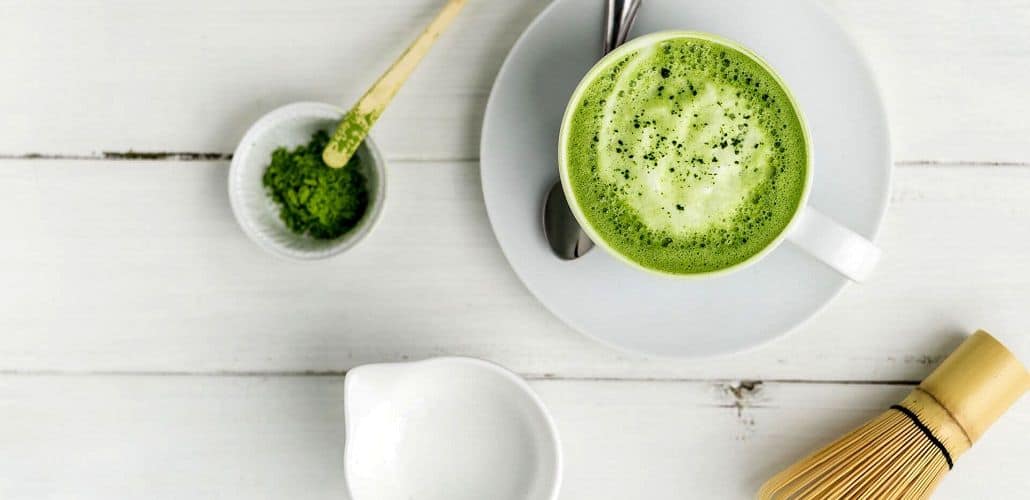
The stronger flavor can actually work well when combined with milk, sugar, or other ingredients.
6. Your Matcha-to-Water Ratio May Be Off
Think of matcha like a concentrated ingredient.
Too much powder + too little water = a very intense cup.
Too little powder + too much water = a weak and watery cup.
If you’re trying a new matcha, start with a moderate ratio and adjust from there.
For traditional drinking, you want enough water to allow the powder to disperse while still maintaining the characteristic body and flavor of matcha.
If the cup tastes aggressively bitter, try adding a little more water before adding sugar.
You may be surprised by how much the flavor changes.
7. You’re Not Sifting the Powder
This won’t necessarily make your matcha chemically less bitter, but it can dramatically improve the drinking experience.
Matcha naturally forms small clumps.
If those clumps don’t disperse properly, you may get concentrated pockets of powder in your drink. One sip can taste relatively smooth, while the next tastes intensely bitter.
Sifting the matcha before whisking helps create a more even suspension.
Simple method:
- Sift the matcha into your bowl.
- Add a small amount of warm water.
- Whisk until the powder is fully dispersed.
- Add the remaining water.
- Whisk again until smooth and lightly frothy.
8. The Bitterness May Actually Be Astringency
There’s another important distinction.
What you call “bitter” may actually be astringency.
Bitterness is a taste sensation.
Astringency is more of a drying or puckering sensation in your mouth.
Green tea contains polyphenols, including catechins, that can contribute to these sensations.
That’s why a cup of matcha can sometimes feel dry, rough, or puckering even when it doesn’t taste extremely bitter.
If your matcha leaves your mouth feeling dry, try:
- Cooler water
- Less powder
- Fresher matcha
- A higher-quality matcha
- A slightly larger water-to-matcha ratio
These changes can make the drink feel much smoother.
9. Don’t Assume Bitter Means High Quality
This is a common misconception.
A strong, bitter taste does not automatically mean you’re drinking a better or more powerful matcha.
Matcha’s flavor comes from a balance of compounds, including catechins and amino acids such as L-theanine.
High-quality matcha is generally valued for balance—not simply intensity.
You want to notice multiple layers:
Umami → vegetal freshness → subtle sweetness → gentle bitterness → clean finish
If all you taste is bitterness, something may be out of balance.
10. How to Fix Bitter Matcha: A Simple Checklist
Before throwing away your matcha, try these adjustments.
If your matcha tastes too bitter:
Step 1: Lower the water temperature
Try approximately 160–175°F (70–80°C).
Step 2: Use less powder
Reduce the amount slightly and see how the flavor changes.
Step 3: Add a little more water
This can reduce the concentration without adding sugar.
Step 4: Check freshness
Look at the color, aroma, packaging, and storage conditions.
Step 5: Check the quality
Look for matcha with clear information about its origin, processing, and ingredients.
Step 6: Sift before whisking
This helps prevent concentrated clumps of powder.
Step 7: Try it as a latte
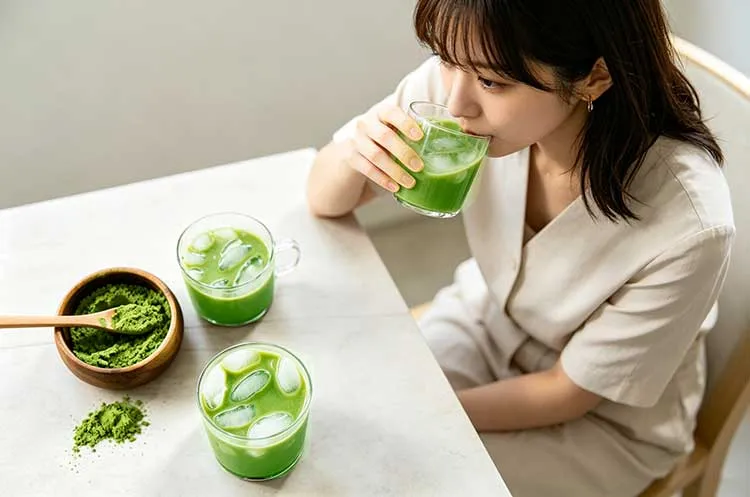
Milk or a plant-based alternative can soften the intensity of matcha and create a creamier drink.
What Should Good Matcha Taste Like?
So, what should you actually expect from a good cup of matcha?
It depends on the style and grade, but quality matcha can have a combination of:
- Fresh green aroma
- Vegetal notes
- Natural sweetness
- Umami
- Creamy mouthfeel
- Gentle bitterness
- Clean aftertaste
The goal isn’t necessarily zero bitterness.
A small amount of bitterness can be part of matcha’s natural character.
The goal is balance.
When sweetness, umami, aroma, texture, and bitterness work together, matcha tastes much more complex than simply “green” or “bitter.”
The Bottom Line
If your matcha tastes bitter, don’t immediately blame the matcha.
Start with the basics.
Check your water temperature. Check your matcha-to-water ratio. Check freshness. Then consider the quality and origin of the matcha itself.
In many cases, a few small changes can turn a harsh cup into a smooth and enjoyable one.
And if you’ve tried everything and your matcha still tastes aggressively bitter, it may simply be time to try a different matcha.
At Azayaka Matcha, we focus on carefully selected matcha designed to deliver vibrant color, smooth texture, and a balanced flavor profile for drinking and food applications.
Your matcha shouldn’t just taste green. It should taste balanced.
FAQ
Why does my matcha taste so bitter?
The most common causes are water that is too hot, too much matcha powder, poor freshness, improper storage, or matcha with a naturally stronger and more astringent flavor profile.
What temperature should I use for matcha?
A practical starting point is around 160–175°F (70–80°C). Avoid pouring freshly boiling water directly onto the powder.
Does higher-quality matcha taste less bitter?
Generally, well-produced drinking matcha is valued for balance, sweetness, umami, and smoothness rather than aggressive bitterness. However, flavor varies by cultivar, harvest, processing, and individual product.
Can old matcha become bitter?
Poor storage and prolonged exposure to oxygen, heat, light, and moisture can negatively affect matcha’s freshness and flavor. Matcha is best protected from these conditions.
Can I make bitter matcha taste better?
Yes. Try cooler water, less powder, more water, proper sifting, or mixing the matcha into a latte. If the underlying matcha is low quality or stale, however, preparation changes may only help so much.
Is bitter matcha bad?
Not necessarily. Matcha naturally contains compounds that can contribute bitterness and astringency. A gentle bitterness can be part of its flavor profile. The issue is when bitterness overwhelms the other flavors.
Why does my matcha taste bitter even when I use good matcha?
Even good matcha can taste bitter if the water is too hot or the powder-to-water ratio is too concentrated. Preparation can have a surprisingly large effect on flavor.
Does ceremonial-grade matcha taste bitter?
High-quality ceremonial-style matcha is generally intended to have a smoother, more balanced flavor when prepared with water. However, “ceremonial grade” is not a universal regulated quality standard, so the actual flavor depends on the tea and producer.
Related reading: