

If you’re wondering how many grams of matcha per cup, the ideal amount depends on the type of matcha drink you are making.
As a general guideline:
- Traditional matcha tea (Usucha): 1–2 grams of matcha powder per cup
- Matcha latte: 2–3 grams of matcha powder per cup
- Thick matcha (Koicha): 3–4 grams of matcha powder per serving
Using the right amount of matcha powder helps create the perfect balance of flavor, texture, color, caffeine level, and overall drinking experience.
In this guide, we’ll explain exactly how many grams of matcha powder you need per cup, how to measure matcha without a scale, and how the amount changes depending on preparation style.
What Is Matcha Powder?
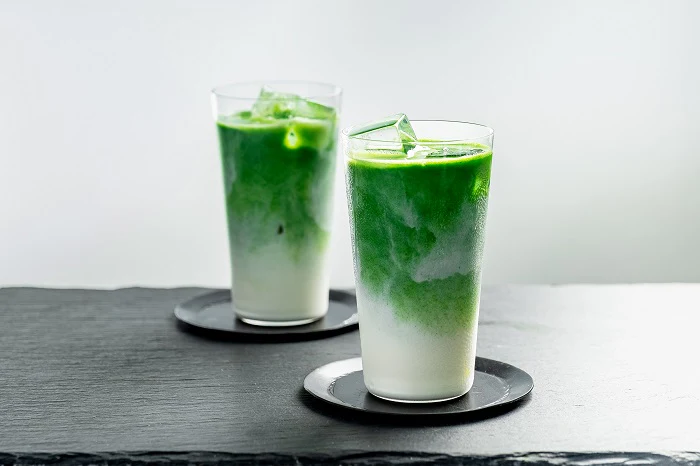
Matcha powder is a finely ground green tea powder made from shade-grown tea leaves.
Unlike traditional green tea, where the leaves are steeped and removed, matcha is made by consuming the entire tea leaf. This allows you to enjoy naturally occurring compounds such as:
- Catechins
- L-theanine
- Natural caffeine
- Antioxidants
Because matcha powder is consumed directly, the amount you use per cup has a major impact on the taste, strength, and texture of your drink.
How Many Grams of Matcha Per Cup?
The standard amount of matcha depends on the type of drink you are preparing.
| Matcha Drink | Matcha Powder Amount | Liquid Amount |
|---|---|---|
| Traditional Matcha (Usucha) | 1–2 grams | 60–80 ml water |
| Matcha Latte | 2–3 grams | 200–300 ml milk |
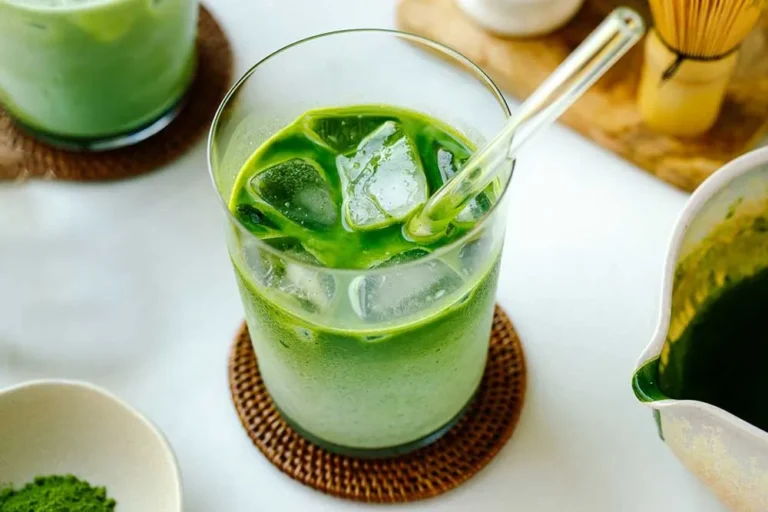
| Iced Matcha Latte | 2–3 grams | 200–300 ml milk |
| Matcha Smoothie | About 2 grams | 200–300 ml smoothie base |
| Thick Matcha (Koicha) | 3–4 grams | 40–50 ml water |
For most everyday matcha drinks, 2 grams of matcha powder per cup is a common starting point.
How Much Matcha Powder for Traditional Matcha Tea (Usucha)?
Traditional Japanese matcha, known as Usucha (thin tea), typically uses:
1–2 grams of matcha powder per serving
The difference:
1 gram of matcha
- Lighter flavor
- More delicate taste
- Suitable for beginners
2 grams of matcha
- Stronger matcha flavor
- Richer aroma
- More intense color and texture
To prepare traditional matcha:
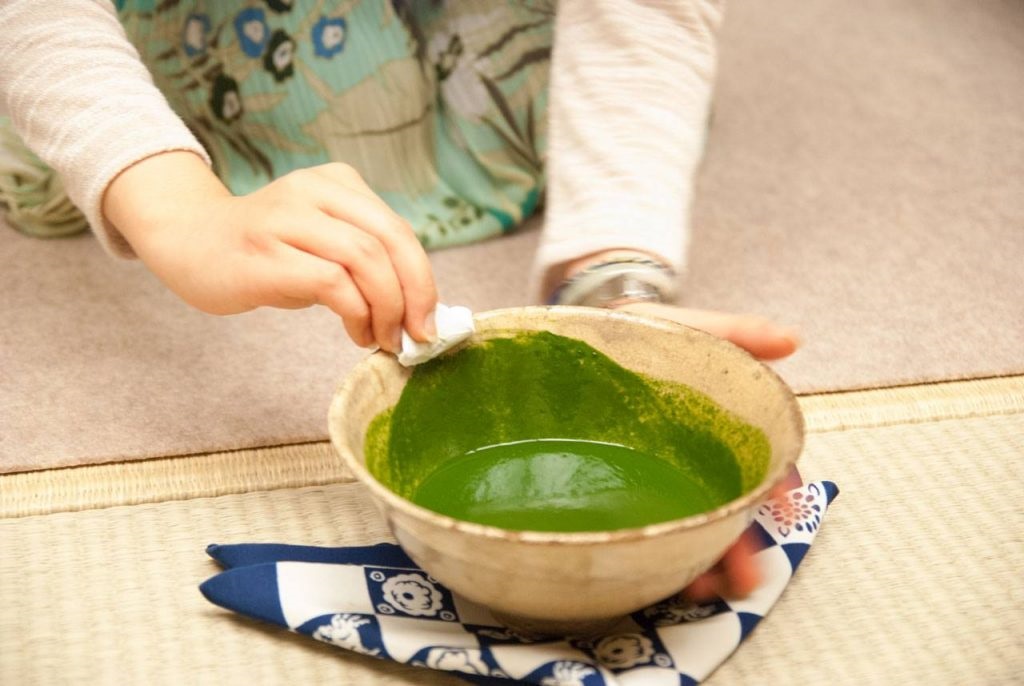
- Whisk using a bamboo whisk until a smooth foam forms.
- Sift 1–2 grams of matcha powder into a bowl.
- Add 60–80 ml of hot water.
- Use water around 70°C (160°F).
How Many Grams of Matcha for a Matcha Latte?
For a matcha latte, most people use:
2–3 grams of matcha powder per cup
Because milk can soften the flavor of matcha, using slightly more powder creates a balanced taste.
Recommended ratios:
| Drink Size | Matcha Amount |
|---|---|
| 8 oz latte | 2 grams |
| 12 oz latte | 2–3 grams |
| Strong matcha latte | 3 grams |
The type of milk also affects the final flavor:
- Whole milk creates a creamy texture
- Oat milk adds natural sweetness
- Almond milk provides a lighter taste
- Coconut milk creates a richer flavor
Matcha Latte or Thick Matcha (Koicha): 2 to 3 Grams
For a matcha latte or when you want a stronger, more intense matcha experience (known as “Koicha”, or thick matcha), you’ll need to use more matcha powder.
- 2-3 grams of matcha powder (1 to 1.5 teaspoons) is typically used for a 12-ounce (355ml) matcha latte.
- To make a Koicha, you’ll use about 3 to 4 grams of matcha (2 teaspoons) for a much thicker, more intense flavor. This preparation is often used in Japanese tea ceremonies for special occasions.
The ratio of milk (or milk alternative) to matcha powder will influence the final taste of your latte. Whole milk or oat milk is commonly used to complement the flavor of matcha, while almond milk or coconut milk might alter the flavor profile slightly, but still provides a creamy base.
How Many Teaspoons Is 1 Gram of Matcha?
If you do not have a kitchen scale, teaspoons can provide a general measurement.
Approximate conversion:
- 1 gram of matcha = about 1 level teaspoon
- 2 grams of matcha = about 2 level teaspoons
However, teaspoon measurements are not always exact because matcha powder density varies depending on:
- Powder quality
- Grinding method
- How tightly the powder is packed
For the most consistent results, measuring matcha by weight is recommended.
How to Measure Matcha Powder Accurately
1. Use a Digital Scale
The most accurate method is weighing your matcha powder.
Benefits:
- Consistent flavor
- Easier recipe control
- Better results for cafés and businesses
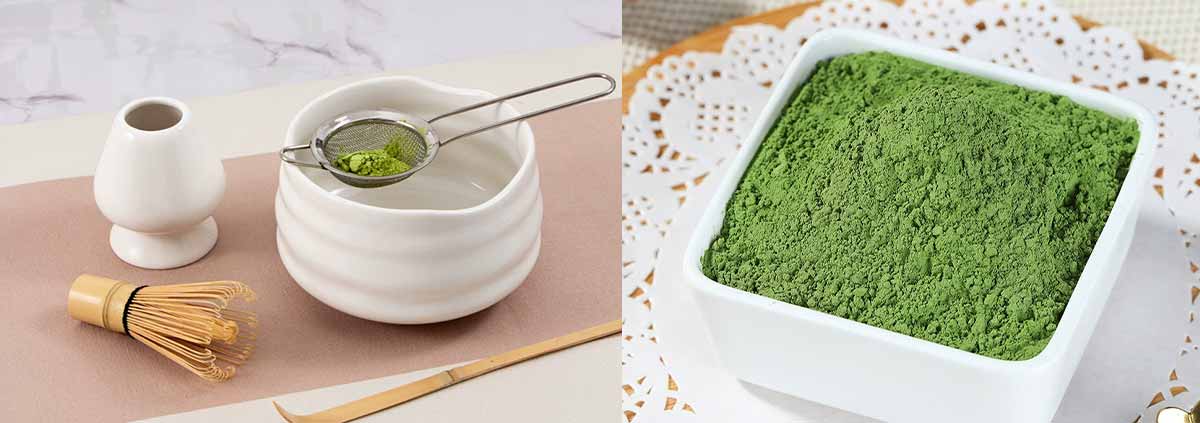
2. Use a Matcha Scoop (Chashaku)
A traditional bamboo matcha scoop can help measure matcha for Japanese preparation.
While not as precise as a scale, it is commonly used for traditional tea preparation.
3. Sift Before Whisking
Sifting matcha powder helps:
- Prevent clumps
- Create smoother texture
- Improve foam quality
Factors That Affect How Many Grams of Matcha You Need
While 1 to 2 grams of matcha per serving is standard, several factors can affect the amount of matcha powder you’ll need:
1. The Type of Matcha
Not all matcha powders are created equal. The grade and quality of matcha can change how much you need to use.
- Ceremonial-grade matcha is the highest quality and requires less powder to achieve a rich flavor. It’s smoother and more delicate.
- Culinary-grade matcha has a stronger, more bitter flavor and is commonly used for lattes and baking. You may need to use slightly more powder to achieve the desired taste.
2. Personal Preference
The strength of your matcha drink is a matter of personal taste. If you prefer a light, delicate flavor, you may want to use less powder (1 gram). For a stronger, more vibrant flavor, you can increase the amount of powder to 2 grams or more. It’s all about finding the right balance for you!
3. Preparation Method
How you prepare your matcha will influence the ratio of matcha powder to liquid. For instance, if you’re making a cold brew matcha or using a matcha whisking bottle, you might need to adjust the amount of powder for a richer taste. Typically, for cold brew, you might need about 2 grams of matcha powder for each cup.
Matcha Powder Ratio Guide
A simple starting ratio:
| Purpose | Matcha Amount |
|---|---|
| Light matcha tea | 1 gram |
| Standard matcha cup | 2 grams |
| Strong matcha drink | 3 grams |
| Thick matcha (Koicha) | 3–4 grams |
For most people, 2 grams of matcha powder per cup provides a balanced combination of flavor, color, and intensity.
Does Using More Matcha Provide More Benefits?
Using more matcha increases the amount of tea compounds and caffeine consumed.
However, more matcha is not always better.
Using too much matcha may result in:
- Strong bitterness
- Overpowering flavor
- Higher caffeine intake
The best approach is choosing an amount that fits your taste preference and lifestyle.
Common Mistakes When Measuring Matcha
Using Too Little Matcha
Result:
- Weak flavor
- Pale color
- Less satisfying texture
Using Too Much Matcha
Result:
- Bitter taste
- Strong astringency
- Unbalanced flavor
Not Adjusting for Milk Drinks
A matcha latte usually needs more powder than traditional tea because milk changes the flavor balance.
Conclusion: Finding the Perfect Matcha Amount Per Cup
So, how many grams of matcha per cup should you use?
The general guideline is:
- 1–2 grams for traditional matcha tea
- 2–3 grams for matcha lattes
- 3–4 grams for thick matcha
For most everyday matcha drinks, starting with 2 grams of matcha powder per cup is a great choice.
The perfect matcha ratio depends on your preferred strength, matcha quality, and preparation method.
Experiment with different amounts until you find the flavor that works best for you.

Looking for premium Japanese matcha?
FAQs
Q1: How many grams of matcha per cup?
The ideal amount of matcha per cup depends on the type of drink. Most traditional matcha tea uses 1–2 grams of matcha powder, while matcha lattes usually require 2–3 grams for a balanced flavor.
Q2: Is 2 grams of matcha enough for one cup?
Yes. Two grams is a common serving size that provides a balanced matcha flavor for most drinks.
Q3: How many teaspoons are 2 grams of matcha?
Two grams of matcha powder is approximately two level teaspoons, although measuring by weight is more accurate.
Q4: Can I use more than 3 grams of matcha per cup?
Yes. Some people prefer a stronger matcha flavor and use more powder. However, increasing the amount may create a stronger taste and increase caffeine intake.
Q5: What is the best matcha ratio for a latte?
A common matcha latte ratio is 2–3 grams of matcha powder with 200–300 ml of milk.
Q6: Is ceremonial-grade matcha better for lattes?
Ceremonial-grade matcha is ideal for traditional tea preparation, but it can also be used in lattes if you prefer a smoother, more delicate flavor. If you want a stronger taste, culinary-grade matcha is a better choice.
Q7: How do I store matcha powder?
To maintain the freshness and vibrant color of your matcha, store it in an airtight container in a cool, dry place. It’s best consumed within a few weeks to preserve its quality.
Q8: Can I drink 4 grams of matcha a day?
Yes. For most healthy adults, consuming around 4 grams of matcha per day is generally considered moderate. This amount typically provides approximately 120–160 mg of caffeine, depending on the quality of the matcha. However, individual caffeine tolerance varies, so those who are sensitive to caffeine, pregnant, or have certain medical conditions should consult a healthcare professional before increasing their intake.
Q9: Does ceremonial matcha require less powder?
Not necessarily. Ceremonial grade matcha is smoother, naturally sweeter, and richer in umami than culinary grade matcha, but the recommended serving size is usually the same—about 1.5–2 grams for a traditional bowl of matcha. For stronger preparations such as koicha, 3–4 grams may be used regardless of the grade.
Q10: Why does my matcha taste weak?
A weak-tasting matcha is usually caused by using too little matcha powder or too much water. For a balanced cup, use about 2 grams of matcha with 60–80 ml of water for traditional preparation. Water that is too hot or poor-quality matcha can also affect the flavor and reduce the rich umami taste.
Q11: Can I use one teaspoon instead of weighing?
Yes, but using a digital scale is more accurate. One level teaspoon of matcha powder is approximately 2 grams, although the exact weight may vary depending on the grind and how tightly the powder is packed. If consistency is important, especially for cafés or recipes, weighing your matcha is recommended.
Q12: Is 2 grams enough for a latte?
Yes. Two grams of matcha is the standard amount for a 240–350 ml (8–12 oz) matcha latte and provides a balanced flavor. For larger drinks, such as a 16 oz latte, many cafés increase the amount to 3–4 grams to maintain a rich matcha taste.
Q13: How much caffeine is in 2 grams of matcha?
Two grams of matcha typically contains about 60–80 mg of caffeine, although the exact amount depends on the cultivar, harvest season, and production method. This is generally less caffeine than a standard cup of brewed coffee but is often described as providing a smoother and more sustained energy boost because matcha also contains L-theanine.
Q14: Can I Measure Matcha Without a Scale?
Yes. While a digital scale provides the most accurate results, using teaspoons is a practical alternative. One teaspoon is approximately 2 grams of matcha, making it easy to prepare matcha at home.
Choosing the right amount is only part of making a great cup—using the right grade of matcha matters just as much.

How are you?