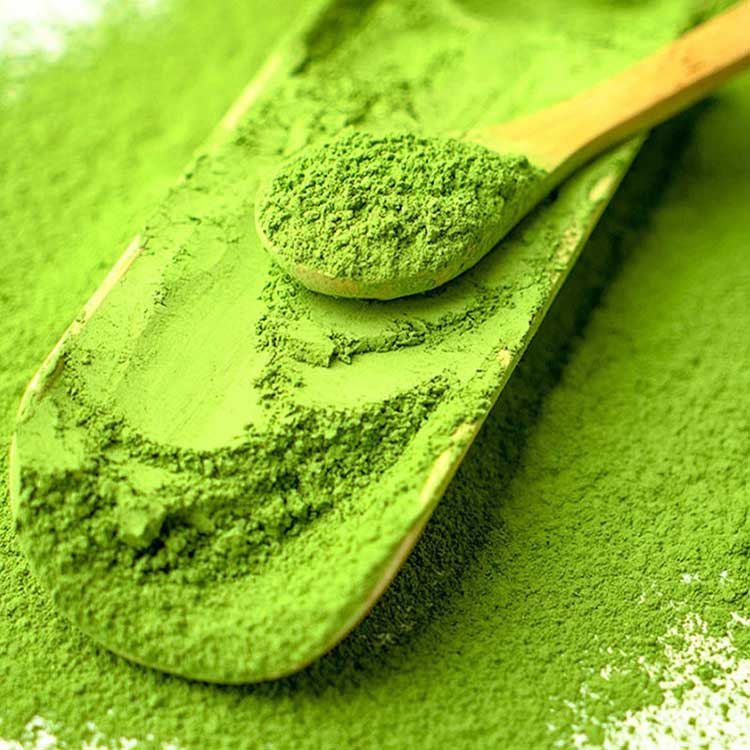

If you have bought matcha lately, you may have noticed something: good matcha is getting harder to find, and the price is higher than it used to be.
A small tin that once felt reasonably affordable can now cost significantly more. Cafés are also paying more for their matcha, which is one reason your favorite matcha latte may cost more than it did a year or two ago.
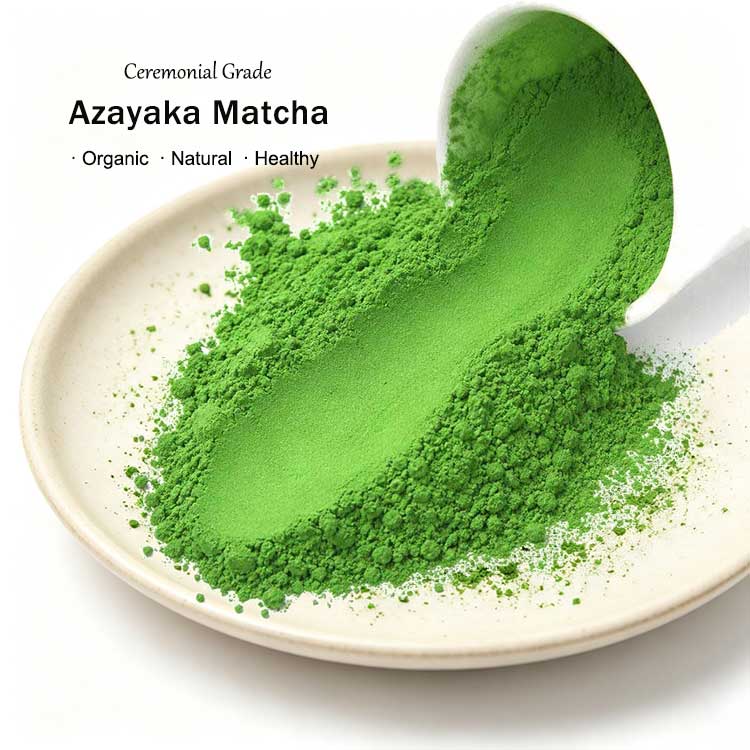
So, why is matcha so expensive in 2026?
The short answer is demand is growing much faster than the supply of high-quality matcha can adjust.
But there is more to the story.
1. Matcha Has Gone Mainstream
Matcha used to be a relatively specialized Japanese tea. Today, it is everywhere in the United States and other parts of the world.
Matcha lattes, iced matcha, matcha desserts, smoothies, protein drinks, and matcha-flavored snacks have moved the ingredient far beyond traditional Japanese tea culture.
This growth is especially noticeable in the U.S. Japan’s Ministry of Agriculture, Forestry and Fisheries reported that Japanese green tea exports reached ¥72.1 billion in 2025, up 98.2% from the previous year. The ministry specifically pointed to growing overseas demand for powdered tea, including matcha.
The U.S. has become one of the most important markets for Japanese tea.
JETRO reported that Japanese tea exports to the United States had grown at an average annual rate of 17% from 2020 to 2024.
In other words, more people want Japanese matcha at exactly the time when increasing production is difficult.
2. Matcha Starts With Tencha — and Tencha Isn’t Easy to Produce
One reason matcha is different from ordinary green tea is the raw material.
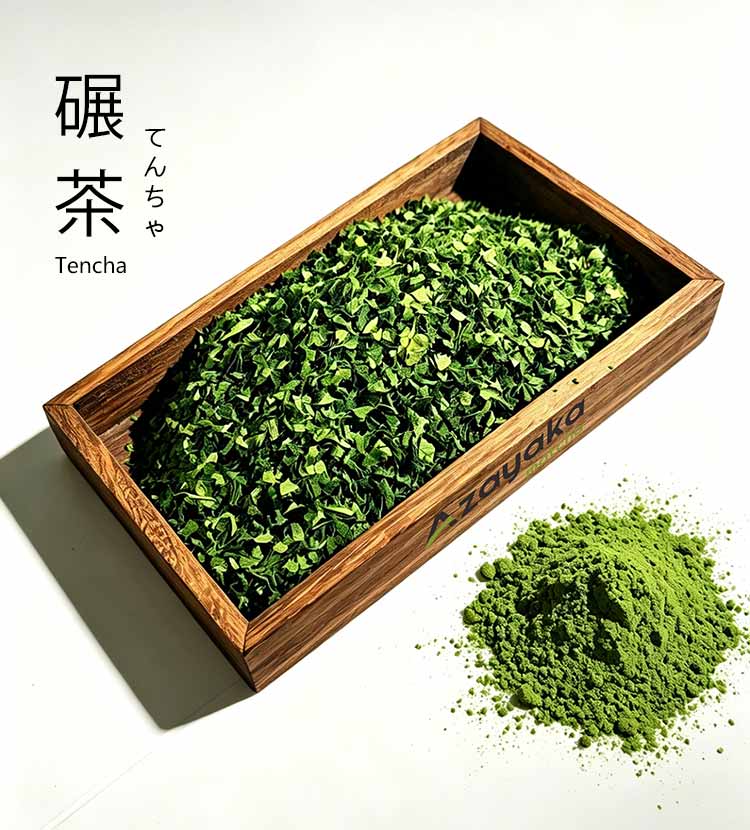
Authentic Japanese matcha is made from tencha, a tea leaf that goes through a specialized growing and processing process before it is ground into a fine powder.
Farmers typically shade the tea plants before harvest. After harvesting, the leaves are steamed and dried without the usual rolling process used for many other Japanese teas.
The resulting tencha is then carefully sorted and ground into matcha.
That process takes time, equipment, labor, and suitable growing conditions.
You can’t simply tell a tea farmer to “make more matcha” next month.
Tea plants take years to establish, and production decisions have to be made well before the final product reaches consumers.
That’s one reason a sudden increase in global demand can put so much pressure on the market.
3. The 2025 Harvest Was Difficult
Another important part of the current price story is the 2025 tea harvest.
Japan’s Ministry of Agriculture, Forestry and Fisheries reported that first-crop tea production in the major producing prefectures fell in 2025.
The harvested area decreased by about 5%, while fresh-leaf production fell 11% and crude tea production fell 10% compared with the previous year. The ministry attributed the lower yield partly to unusually low temperatures during the spring growing season in Shizuoka, which slowed the growth of new shoots.
That matters because first-crop tea is particularly important for higher-quality Japanese tea products.
When supply falls while demand is increasing, prices don’t need much explanation.
4. The Price of Tencha Has Risen
The biggest cost behind matcha is not the colorful packaging or the word “ceremonial.”
It’s the tea itself.
And the price of tencha has gone up.
Recent market data from Kyoto shows just how much pressure the raw-material market has experienced. According to a July 2026 market report, the average auction price for Kyoto’s 2026 first-crop tencha finished at approximately 122% of the 2025 average.
That’s important because matcha is essentially a high-value tea leaf turned into an extremely fine powder.
If the cost of the raw material rises, the cost of the finished matcha eventually rises too.
ABC News also reported that a tea producer and matcha wholesaler in Uji observed tencha prices nearly doubling over the previous year amid stronger demand.
5. High-Quality Matcha Is Especially Difficult to Replace
There is another detail that is easy to miss.
Not all matcha is the same.
There are significant differences in:
- Growing region
- Cultivar
- Harvest season
- Shading period
- Tencha quality
- Processing
- Grinding method
- Color
- Aroma
- Flavor
- Bitterness and astringency
When supplies get tight, cheaper or lower-grade matcha may still be available.
But that doesn’t necessarily solve the problem for consumers looking for smooth, vibrant, Japanese-grown matcha.
High-end matcha depends on specific raw materials and production methods. Those supplies cannot be replaced overnight.
This is one reason the price difference between inexpensive matcha and premium matcha can become much larger during a supply squeeze.
6. More Matcha Is Being Used in Drinks
The matcha boom isn’t just about people buying a small tin to make tea at home.
Cafés are buying matcha by the kilogram.
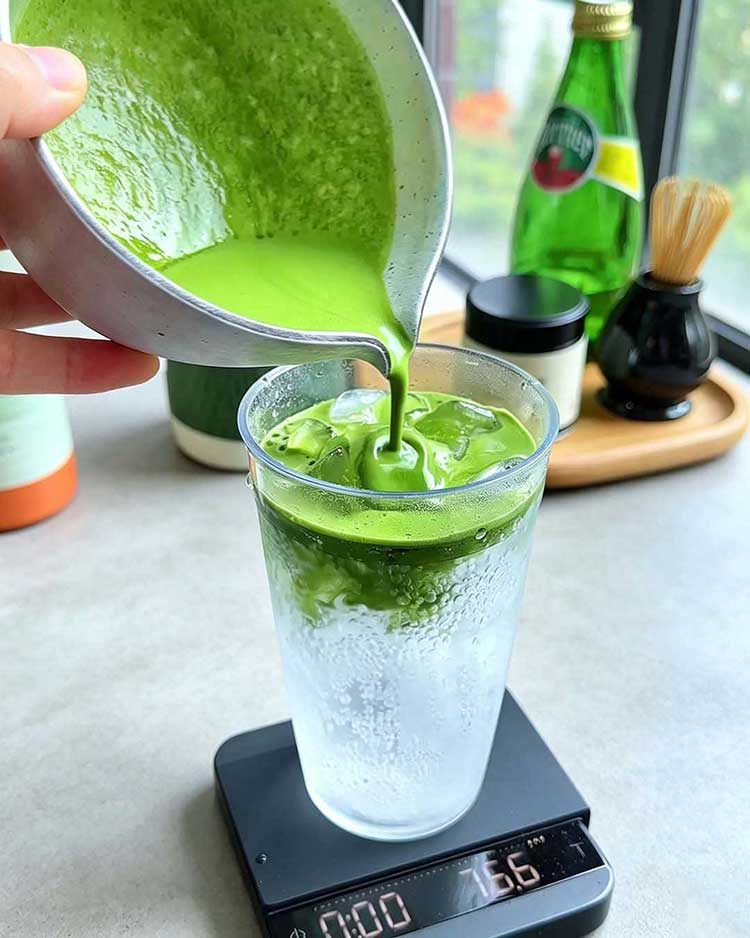
And some drinks use considerably more matcha than a traditional serving of tea.
JETRO reported in 2025 that some Los Angeles cafés were increasing the amount of matcha used per drink, adding further pressure to already tight supplies. The same report described cafés having difficulty securing enough matcha for their businesses.
Think about the difference:
A customer buying one 30-gram tin might use it over several weeks.
A busy café can go through kilograms of matcha much faster.
When thousands of cafés around the world add matcha drinks to their menus, the impact on the raw-material market can be substantial.
7. The U.S. Is Part of a Much Bigger Global Matcha Market
The United States isn’t the only country driving demand.
Japanese matcha has become increasingly popular across North America, Europe, Australia, and other Asian markets.
In August 2026, The Guardian reported that matcha orders in Australia had increased 133% year over year, while Kyoto tencha wholesale prices had risen 69% over the same period.
This is important because Japanese matcha comes from a relatively concentrated production base.
American consumers aren’t competing only with American consumers.
They are buying from the same global supply chain as cafés, retailers, tea companies, and consumers around the world.
8. Why Can’t Japan Just Produce More Matcha?
This is probably the most common question.
The answer is: it takes time.
Tea isn’t a factory-made ingredient.
Farmers need suitable land, mature tea plants, labor, equipment, weather conditions, and processing capacity.
And producing more tencha isn’t simply a matter of switching an existing field from one type of tea to another.
There are also quality considerations.
If producers rush to increase output, that doesn’t automatically create more premium matcha.
The Japanese government is already encouraging greater production of tencha and organic tea for export markets as overseas demand continues to grow.
That should help supply over time, but it doesn’t immediately solve the pressure created by today’s demand.
9. Is Matcha Going to Stay Expensive?
Probably not at exactly the same price forever.
Tea markets change.
A particularly strong harvest can increase supply. Demand can also level off. Farmers can expand production, and buyers can adjust their sourcing strategies.
There are already signs that different parts of the tencha market are behaving differently.
For example, 2026 Kyoto first-crop tencha prices remained elevated, while second-crop prices were reported to be more stable. The July 2026 market report also noted that first-crop production in Kyoto ultimately reached about 1.2 times the previous year’s level, helping prices stabilize later in the season.
So the current market shouldn’t be interpreted as “matcha will always get more expensive.”
A better way to understand it is that the market is still adjusting to a much larger global appetite for Japanese matcha.
10. Does Expensive Matcha Mean All Expensive Matcha Is Better?
Not necessarily.
Price is only one factor.
A higher price can reflect higher raw-material costs, a particular origin, limited supply, organic certification, harvesting practices, processing costs, packaging, distribution, or simply the brand’s positioning.
For consumers, the better question is:
What am I actually paying for?
Look for information about:
- Where the tea was grown
- Whether it is actually Japanese-grown
- The type of matcha
- The harvest or production season
- Whether the product is intended for drinking or culinary use
- Ingredients and additives
- How the matcha is packaged
- How the seller stores the product
This is becoming increasingly important as the global matcha market grows.
In September 2026, JETRO announced a new U.S.-focused initiative designed to help consumers learn more about Japanese tea producers, origins, and product differences. The organization specifically noted that U.S. consumers are finding it increasingly difficult to distinguish authentic Japanese tea from different varieties and quality levels.
So, Why Is Matcha So Expensive in 2026?
There isn’t one single reason.
It’s the combination of several things happening at once:
- More people want matcha.
- More cafés are using matcha.
- Global demand for Japanese tea is growing rapidly.
- The supply of quality tencha is limited.
- Weather has affected some tea harvests.
- Raw-material prices have increased.
- And expanding tea production takes time.
That’s why the price of a good matcha powder can feel surprisingly high in 2026.
The good news is that higher prices don’t necessarily mean the matcha market is permanently broken. Japanese producers are responding to the increased demand, production is changing, and different grades and origins are beginning to play a larger role in the market.
For consumers, the most useful approach is simple: look beyond the label, understand what you’re buying, and choose the matcha that fits how you actually plan to use it.
Whether you’re making a traditional bowl of matcha at home, blending an iced matcha latte, or baking with culinary-grade powder, you don’t necessarily need the most expensive matcha on the shelf.
You just need the right matcha for the job.