
If you’ve scrolled TikTok, Instagram wellness feeds, or browsed local US café menus lately, you’ve definitely noticed it: matcha is no longer just a trendy seasonal drink. In 2026, matcha has become a staple superfood for American millennials and Gen Z, replacing coffee for balanced energy, fueling morning routines, and elevating homemade lattes and baked goods alike. Walk into any café in New York, Los Angeles, or Chicago, and matcha lattes, matcha smoothies, and matcha-infused desserts dominate premium beverage menus.
But here’s the biggest confusion every new matcha drinker in the US faces:what’s the actual difference between ceremonial grade and culinary grade matcha? Most casual buyers only judge matcha by price or green color, ending up with bitter, dull-tasting powder that ruins their first impression. Worse, many mainstream grocery store matcha blends contain fillers, sugar, or low-grade tea dust that negate all the health benefits people chase.
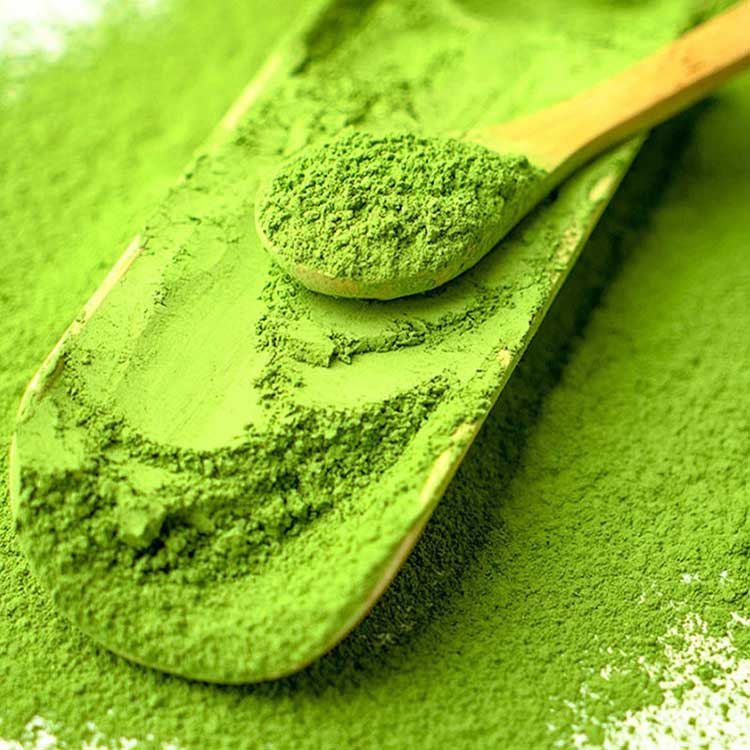
This no-fluff 2026 guide breaks down everything American matcha lovers need to know, covering real usage differences, taste profiles, health perks, and exactly which grade fits your daily routine—no jargon, no brand bias, just practical consumer-focused advice aligned with what top US wellness creators and tea experts are talking about right now.
Why Matcha Is Blowing Up in the US in 2026
US matcha consumption has skyrocketed over the past three years, with retail sales surging 86% and household purchases hitting record highs, and the trend shows zero signs of slowing down. Unlike fleeting food trends, matcha’s growing popularity stems from three core lifestyle needs that resonate deeply with American consumers.
First, the shift from coffee to clean caffeine alternatives. Countless US professionals, students, and fitness enthusiasts are ditching coffee because of jitters, midday crashes, and acid reflux issues. Matcha’s unique combination of natural caffeine and L-theanine delivers steady, calm energy for 4–6 hours, making it the perfect daily drink for remote workers, gym-goers, and busy parents.
Second, the booming wellness and superfood movement. Modern American consumers prioritize transparent, clean eating. Pure shade-grown matcha is packed with catechins and antioxidants, supporting immune health, metabolism, and stress relief—key benefits that dominate 2026 wellness search trends.
Third, convenience and versatility. Gone are the days when matcha was only for traditional tea ceremonies. Today’s US matcha users want flexible options: quick morning lattes, post-workout smoothies, matcha overnight oats, and bakery-style desserts. This demand has split the market sharply into two core grades, creating the most searched matcha question of the year for US buyers.
Ceremonial Grade vs Culinary Grade Matcha: Key Differences for US Users
The grade gap isn’t just a marketing gimmick—it’s based on tea leaf harvesting time, particle fineness, bitterness levels, and intended use. Choosing the wrong grade is the #1 reason people claim “matcha tastes bad.” Below is a side-by-side practical breakdown tailored for American daily lifestyles.
1. Ceremonial Grade Matcha: For Pure Drinking & Mindful Routines
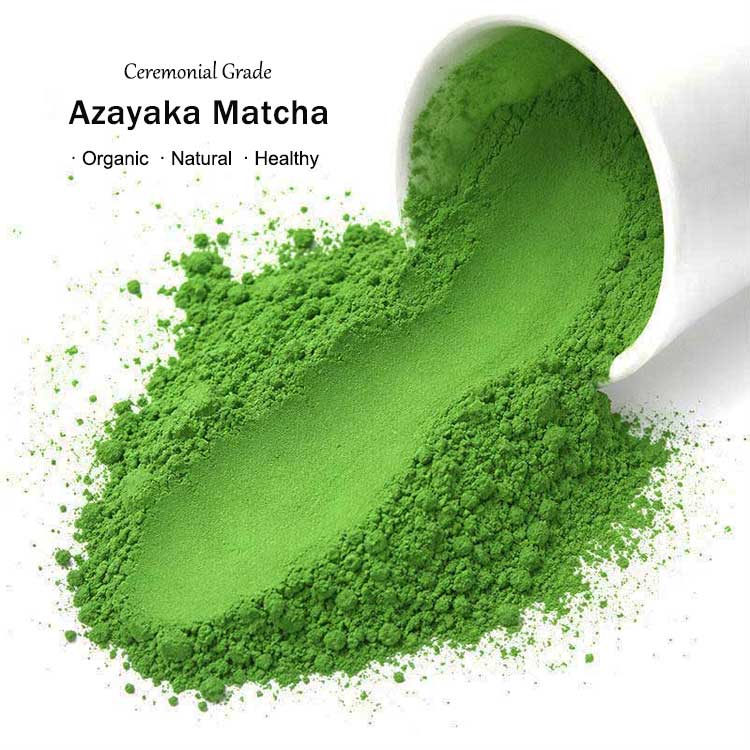
Ceremonial grade is the highest tier of shade-grown matcha, harvested from the youngest, tenderest top tea buds of the tea plant. Grown under 20+ days of full shade cover, it develops ultra-high amino acid levels, resulting in a naturally sweet, umami-forward flavor with virtually no bitterness or astringency.
The powder is ultra-fine, silky, and vibrant emerald green, blending seamlessly with hot water without gritty residue. This grade is designed for straight hot water brewing—the traditional way to enjoy matcha. It’s the go-to choice for US wellness enthusiasts, mindful morning routine lovers, and anyone who drinks matcha purely for health benefits and authentic flavor.
Best for: Morning pure matcha shots, traditional tea rituals, slow self-care routines, users sensitive to bitter flavors
Downside for casual users: Higher price point, overkill for cooking or sweetened drinks
2. Culinary Grade Matcha: For Lattes, Baking & Everyday Recipes
Culinary grade matcha is sourced from slightly mature tea leaves, crafted specifically for cooking and mixed beverages. It has a stronger, more robust matcha flavor and slightly deeper earthy notes that hold up perfectly against milk, sugar, syrups, yogurt, and baked goods.
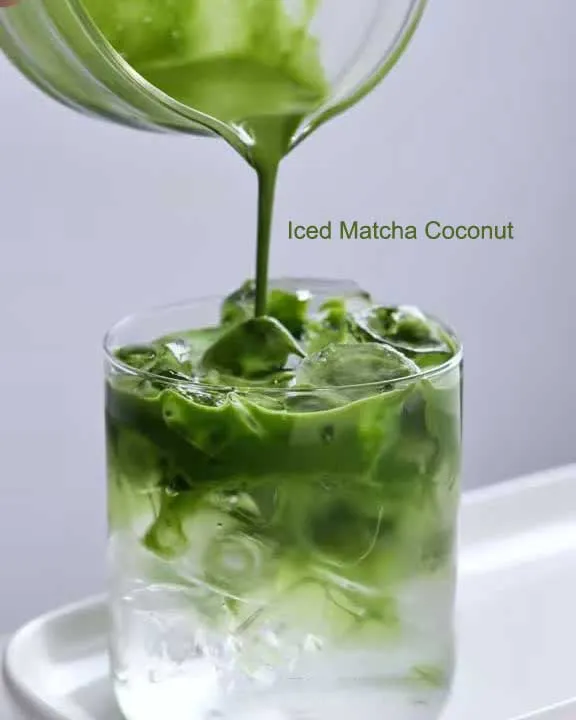
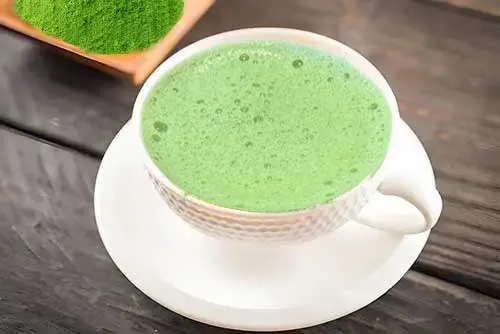
This is the grade 90% of US cafes, home bakers, and casual matcha drinkers use daily. Unlike ceremonial grade, its slightly bold taste doesn’t get washed out by dairy or sweeteners, and it delivers vivid green color for Instagram-worthy lattes, matcha cookies, ice cream, and smoothie bowls. It’s also more budget-friendly for regular household use.
Best for: Matcha lattes, iced matcha drinks, smoothies, baking, desserts, bulk daily household use
Downside for pure drinking: Slight earthy bitterness if drunk with only hot water
Common 2026 US Matcha Buyer Mistakes to Avoid
After analyzing thousands of US consumer reviews and top Google search queries, these are the most prevalent mistakes new matcha users make, leading to disappointing taste and wasted money.
Mistake 1: Buying cheap grocery store matcha with additives. Many low-cost mainstream matcha powders contain green food coloring, sugar, maltodextrin, or tea dust fillers. These products look bright green but lack real antioxidants and deliver artificial, grassy flavors—one of the top complaints in 2026 matcha user feedback.
Mistake 2: Using ceremonial grade for baking. Premium ceremonial matcha’s delicate sweet notes are completely masked by milk, butter, and sugar. It’s a waste of high-quality, high-priced powder, a common rookie mistake for US home bakers.
Mistake 3: Using boiling hot water. Regardless of grade, boiling water burns matcha leaves, releasing harsh bitterness. The 2026 expert-recommended temperature for US home use is 175°F–185°F (79°C–85°C) for the smoothest flavor.
Mistake 4: Ignoring organic certification. Non-organic matcha often carries pesticide residue risks from open-field cultivation. US health-focused shoppers now prioritize USDA, JAS, and EU organic certifications more than ever before for daily superfood purchases.
Which Grade Should You Choose for Your 2026 Lifestyle?
Choose Ceremonial Grade If: You drink matcha plain every morning, prioritize maximum health benefits and clean energy, dislike bitter tastes, or use matcha for mindfulness and self-care rituals.
Choose Culinary Grade If: You primarily make matcha lattes and iced drinks, love baking matcha desserts, want affordable daily matcha for the whole family, or need versatile powder for multiple recipes.
Pro 2026 US User Hack: Keep both grades on hand. Use ceremonial grade for weekday morning pure brews and culinary grade for weekend baking and café-style lattes to balance quality and cost-effectiveness.
2026 US Matcha Trends Everyone Is Talking About
Beyond grade selection, these emerging trends are dominating US matcha communities this year, reflecting how American consumers are redefining daily matcha consumption.
1. Clean caffeine swap culture. More US workers are replacing their second coffee of the day with matcha to eliminate afternoon crashes and jittery nerves. Search volume for “matcha instead of coffee” has risen 32% in 2026.
2. Zero-additive organic matcha priority. Post-pandemic wellness habits stick—US buyers now actively avoid matcha with hidden fillers, artificial colors, and added sugars, favoring pure single-origin shade-grown options.
3. At-home café-style matcha making. With rising café prices, millions of Americans are perfecting homemade matcha lattes and smoothies, driving high search volume for “how to make smooth matcha at home” and “best matcha for iced lattes.”
4. Functional matcha for fitness. Fitness users are embracing matcha’s metabolism-boosting and antioxidant properties, using it in pre-workout smoothies as a natural clean energy alternative to sugary energy drinks.
FAQs
Q: Is ceremonial matcha worth the extra cost for daily use?
A: Yes, if you drink matcha plain for health and steady energy. It’s smoother, sweeter, and more nutrient-dense than culinary grade. It’s not worth the upgrade for mixed drinks or baking.
Q: Can culinary matcha be drunk plain?
A: It can, but it will have noticeable earthy bitterness compared to ceremonial grade, which most casual drinkers find unpalatable for regular plain consumption.
Q: What makes high-quality US-consumed matcha different?
A: Top-quality matcha for American users is 100% shade-grown, stone-ground, zero-additive, and certified organic, with vibrant emerald color, smooth texture, and no bitter aftertaste.
Q: Does matcha really give better energy than coffee?
A: Yes for most users. Matcha’s L-theanine + natural caffeine combo delivers sustained calm energy without the jitters, acid reflux, or sharp midday crash associated with coffee.