
Matcha has become one of the world’s most popular wellness drinks, praised for its antioxidants, calm energy, and potential health benefits. But as more people pay attention to fertility, hormones, and reproductive health, one important question sometimes comes up:
Does matcha cause infertility?
The short answer is:
No. Current scientific evidence does not show that moderate matcha consumption causes infertility in healthy adults.
The concern around matcha and infertility mainly comes from its caffeine content. Because caffeine intake is often discussed during fertility and pregnancy, many people wonder whether drinking matcha regularly could affect reproductive health.
This guide explores the relationship between matcha, caffeine, fertility, and reproductive health so you can make informed decisions based on current research rather than common myths.
What Is Matcha?
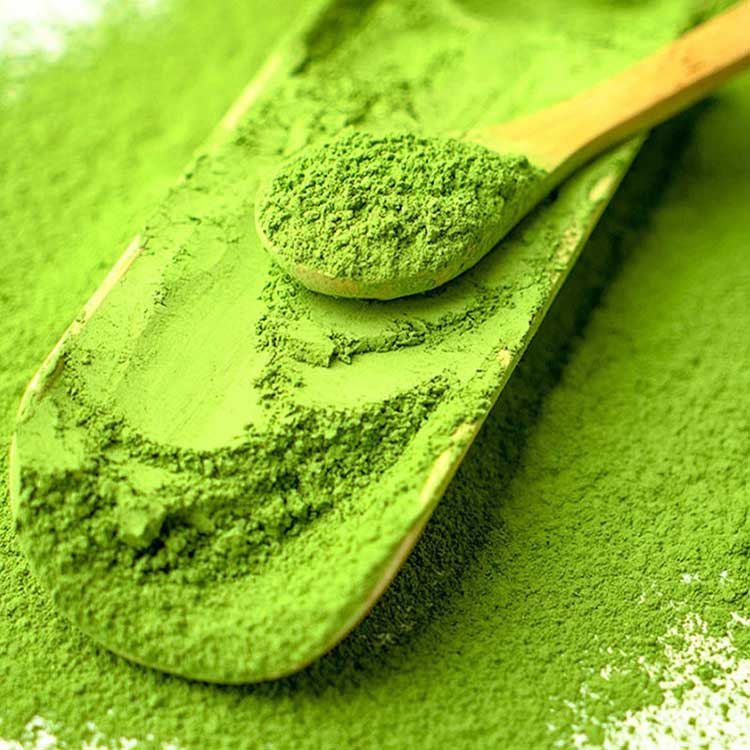
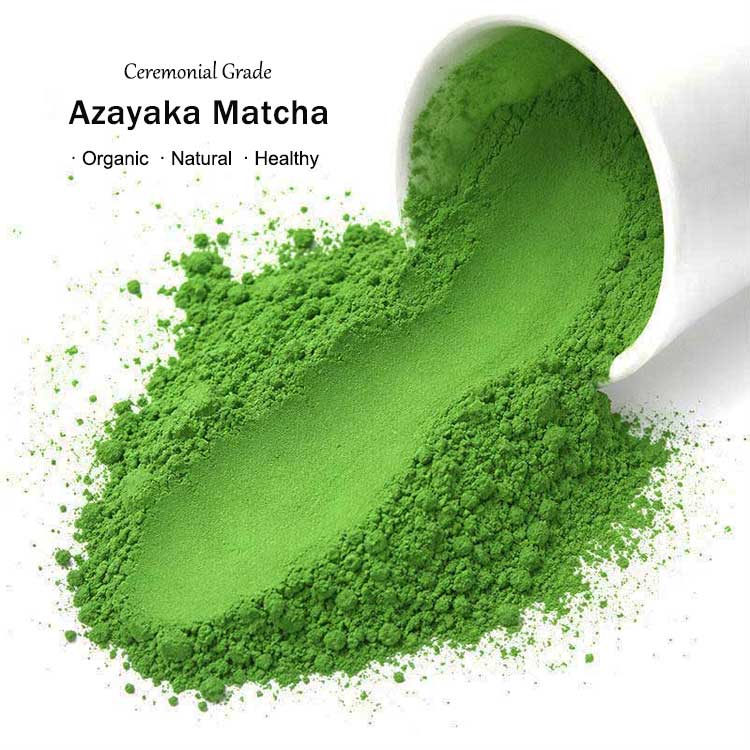
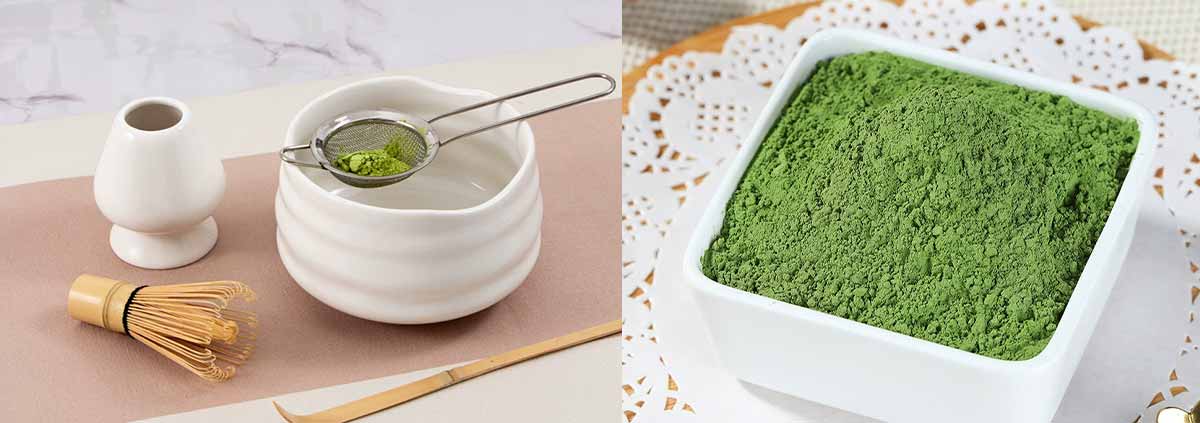
Matcha is a powdered green tea made from shade-grown tea leaves that are carefully processed and stone-ground into a fine powder.
Unlike traditional green tea, where tea leaves are steeped and removed, matcha involves consuming the entire tea leaf. Because of this, matcha contains naturally occurring compounds including:
- Natural caffeine
- L-theanine
- Catechins (including EGCG)
- Antioxidants
- Vitamins and minerals
This nutritional profile is one reason matcha is often considered a healthier alternative to coffee for many people.
Why Do People Worry About Matcha and Infertility?
The concern usually does not come from matcha itself.
Since matcha naturally contains caffeine, some people wonder whether regular consumption could:
- Disrupt hormones
- Affect ovulation
- Reduce sperm quality
- Increase difficulty conceiving
These questions are understandable. However, it is important to distinguish between moderate matcha consumption and high caffeine intake from multiple sources.
Current research does not show that drinking moderate amounts of matcha causes infertility.
How Much Caffeine Is in Matcha?
The caffeine content of matcha varies depending on the quality, serving size, and preparation method.
A typical serving of matcha (about 1 teaspoon or 2 grams) generally contains approximately:
| Drink | Approximate caffeine |
|---|---|
| Matcha (1 serving) | 38–70 mg |
| Green tea | 20–45 mg |
| Coffee (8 oz) | 95–200 mg |
| Espresso (1 shot) | About 63 mg |
Matcha usually contains less caffeine than many coffee beverages while also providing L-theanine, an amino acid associated with a calmer feeling of alertness.
Does Caffeine Cause Infertility?
This is where the discussion requires balance.
Current scientific research has not established that moderate caffeine consumption directly causes infertility.
However, fertility experts often recommend paying attention to:
- Total daily caffeine intake
- Individual sensitivity to caffeine
- Personal health history
- Existing reproductive conditions
For many people trying to conceive, moderate caffeine intake is generally considered reasonable. However, very high caffeine consumption may be worth discussing with a healthcare professional.
One serving of matcha is very different from consuming large amounts of coffee, energy drinks, or caffeine supplements every day.
Does Matcha Affect Female Fertility?
Currently, there is no strong evidence showing that moderate matcha consumption negatively affects female fertility.
Matcha contains antioxidants and plant compounds that researchers continue to study for their potential effects on overall health. However, matcha should not be considered a fertility treatment or a replacement for medical care.
For individuals who are:
- Trying to conceive
- Undergoing fertility treatment
- Pregnant
- Managing PCOS, endometriosis, or hormone-related conditions
it is best to discuss caffeine intake with a qualified healthcare provider.
The important factor is usually overall caffeine consumption and individual health circumstances, not matcha alone.
Does Matcha Affect Male Fertility?
Some people ask whether matcha affects sperm count, sperm quality, or testosterone levels.
Currently, there is no reliable evidence that moderate matcha consumption causes male infertility.
Green tea compounds, including catechins, are often studied because of their antioxidant properties. However, these studies do not mean that matcha can improve fertility or treat reproductive problems.
Factors that may have a stronger influence on male fertility include:
- Smoking
- Excessive alcohol consumption
- Poor sleep quality
- Chronic stress
- Obesity
- Excessive heat exposure
What experts generally suggest:
- Moderate caffeine intake (often under 200 mg/day for those trying to conceive) is commonly considered reasonable.
- Very high caffeine intake may be worth discussing with a healthcare professional.
- Individual sensitivity, medical history, and reproductive conditions matter.
In other words, having one serving of matcha per day is very different from consuming excessive caffeine from multiple large coffees, energy drinks, and supplements.

Can Matcha Affect Hormones?
For most healthy adults, moderate matcha intake is unlikely to cause major hormonal disruption.
However, caffeine sensitivity varies from person to person.
Some individuals may notice:
- Anxiety
- Sleep disruption
- Elevated heart rate
Since sleep and stress can indirectly influence hormones, overconsumption of caffeine from any source may be less ideal.
The key issue is usually overall caffeine load, not matcha specifically.
Is Matcha Safe When Trying to Conceive?
Many people can enjoy moderate amounts of matcha while trying to conceive.
Practical tips include:
- Monitor your total daily caffeine intake
- Choose high-quality matcha products
- Avoid excessive sugary matcha drinks
- Pay attention to your personal caffeine sensitivity
- Consult your healthcare provider if you have fertility concerns
A balanced lifestyle, including healthy nutrition, sleep, and stress management, plays a much larger role in reproductive health.
Matcha vs Coffee for Fertility Concerns
Some people choose matcha instead of coffee because matcha may provide:
- Lower caffeine per serving
- L-theanine for smoother energy
- Antioxidant compounds
- Less caffeine-related jitteriness for some individuals
However, matcha is not automatically “fertility-enhancing,” and coffee is not automatically harmful.
The most important factor is your overall caffeine consumption and personal health situation.
Common Myths About Matcha and Infertility
Myth #1: Matcha causes infertility
Fact: There is currently no strong scientific evidence showing that moderate matcha consumption causes infertility.
Myth #2: All Caffeine Is Harmful for Fertility
Fact: The amount of caffeine matters. Moderate intake is different from excessive caffeine consumption.
Myth #3: Matcha Improves Fertility
Fact: Although matcha contains antioxidants, it is not a fertility supplement or medical treatment.
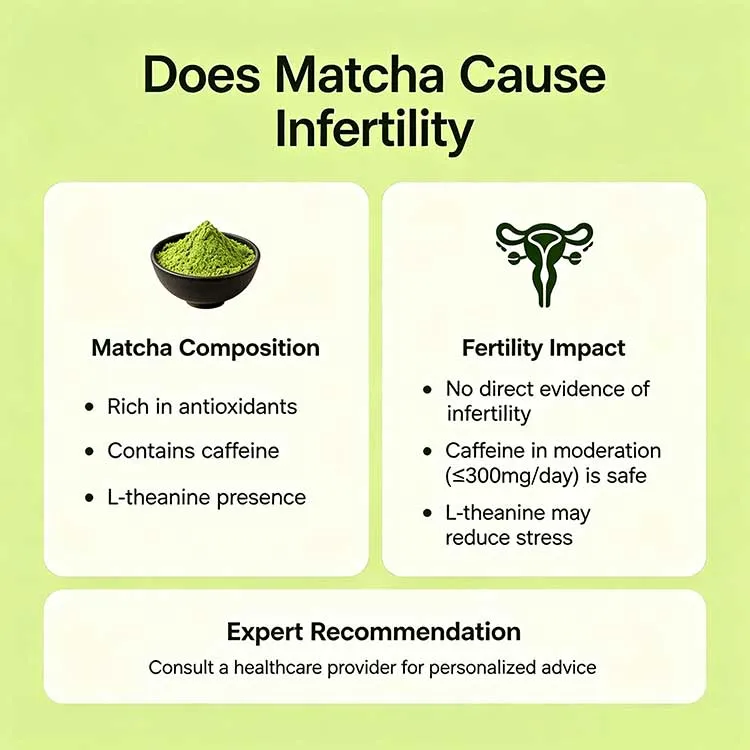
Final Verdict: Does Matcha Cause Infertility?
No current evidence suggests that moderate matcha consumption directly causes infertility in healthy individuals.
For most adults, enjoying matcha in moderation is unlikely to negatively affect fertility.
The main factors to consider are:
- Total caffeine intake
- Overall health
- Lifestyle habits
- Individual medical circumstances
Matcha is sometimes misunderstood because it contains caffeine. However, moderate matcha consumption is very different from excessive stimulant intake.
In general:
- Matcha itself is not known to cause infertility.
- Moderate consumption can fit into a balanced lifestyle.
- People with fertility concerns should seek personalized medical advice.
In general:
Matcha itself is not known to cause infertility.
Focus on:
- Balance
- Moderation
- Quality
- Professional guidance when needed
Frequently Asked Questions
Can I drink matcha while trying to get pregnant?
Many people can consume moderate amounts of matcha while trying to conceive. However, total caffeine intake from all sources should be considered.
Is matcha safer than coffee for fertility?
Matcha often contains less caffeine per serving than coffee, but the most important factor is total daily caffeine consumption.
Does matcha affect hormones?
For most healthy adults, moderate matcha intake is unlikely to significantly disrupt hormones.
How much matcha can I drink when trying to conceive?
A moderate amount of matcha can fit into a balanced lifestyle. Individuals should consider their personal caffeine tolerance and healthcare recommendations.
Scientific References and Medical Disclaimer
This article is based on current nutritional research and general health information.
Research on caffeine, green tea compounds, and reproductive health continues to evolve. Individual recommendations may vary depending on personal health conditions.
Medical Disclaimer:
This article is for informational purposes only and does not replace professional medical advice, diagnosis, or treatment.
About Quality Matters
If you choose matcha, quality matters.
High-quality matcha with careful sourcing can provide a better taste experience and help you avoid unnecessary additives, excessive sugar, or lower-grade ingredients often found in some commercial matcha beverages.
Choosing clean, responsibly sourced matcha is an important part of enjoying matcha as part of a balanced lifestyle.