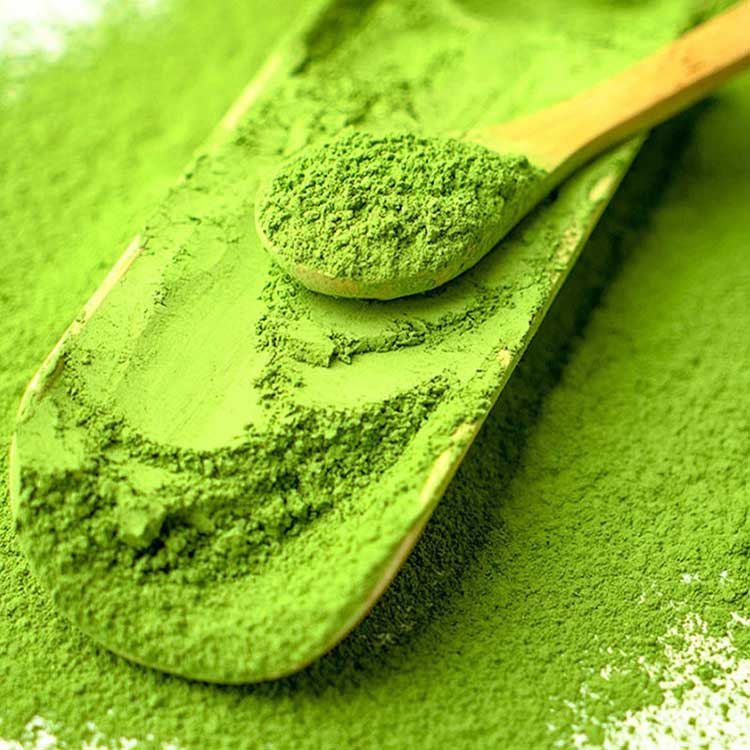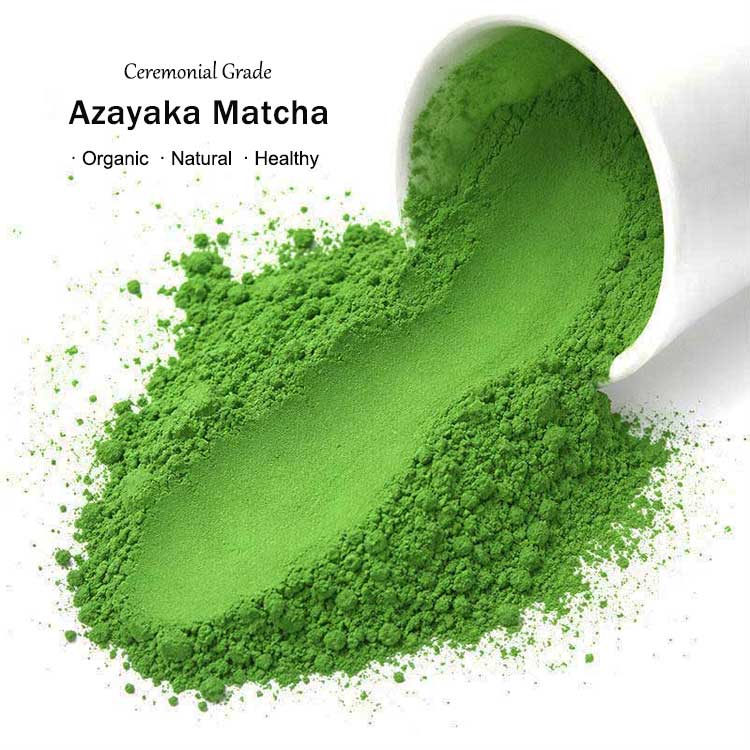

When people talk about matcha, most focus on the bright green powder itself. But before matcha is ground into powder, it begins as a tea called tencha.
Tencha is the foundation of matcha production. Its cultivation method, harvest timing, and processing all directly affect the final quality of matcha.
For anyone working with Japanese tea — whether as a buyer, café owner, tea brand, or simply a matcha drinker — understanding tencha helps explain why some matcha tastes smoother, looks greener, and carries more natural umami.
What Exactly Is Tencha?
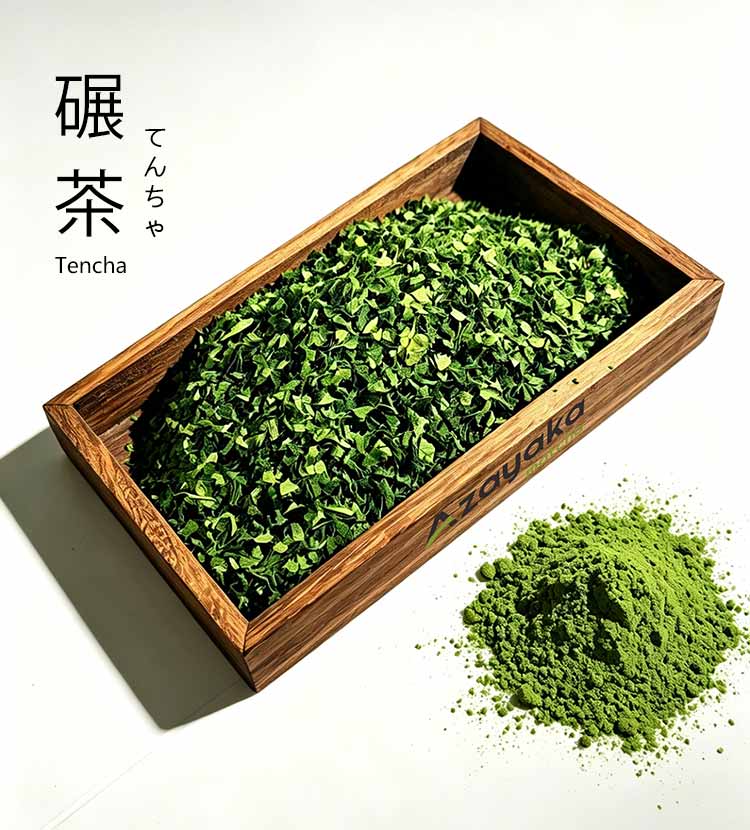
Tencha is a specially processed Japanese green tea made for matcha production.
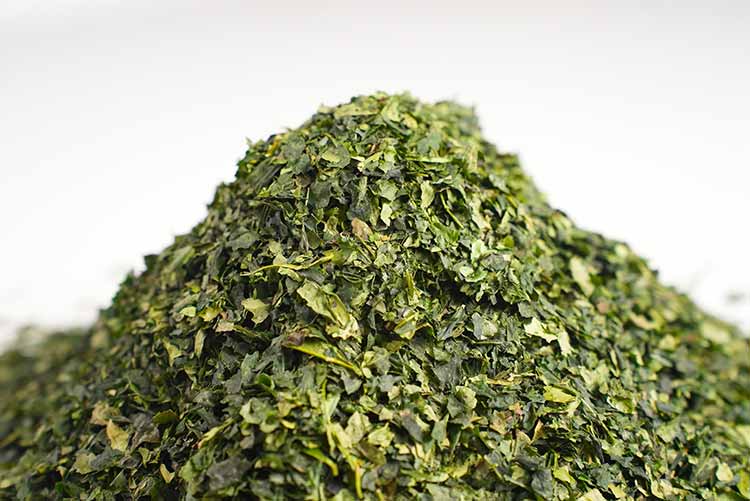
Unlike sencha or other loose-leaf teas, tencha leaves are not rolled after steaming. Instead, the leaves are dried in a flatter, lighter form before stems and veins are removed.
The finished tencha is then ground into fine powder using stone mills.
That powder becomes matcha.
In other words, tencha is not a different style of matcha. It is the tea material used before grinding.
How Tencha Is Cultivated
The cultivation process is one of the main reasons tencha differs from standard green tea.
Before harvest, the tea plants are shaded for several weeks to reduce direct sunlight exposure. This traditional method changes the chemical composition of the leaves and helps preserve their deep green color.
Shading also affects flavor.
Tea produced for tencha generally develops:
- More umami
- Softer bitterness
- Smoother mouthfeel
- Higher chlorophyll content
The shading period is carefully controlled because it strongly influences the final character of the matcha.
Processing After Harvest
Once harvested, the tea leaves are steamed to stop oxidation and maintain freshness.
After steaming, the leaves are dried without rolling. This step is important because rolled leaves would not grind evenly into fine matcha powder later.
During processing, stems and larger veins are removed from the dried material to improve texture and flavor quality.
The remaining leaf material becomes tencha.
Finally, the tencha is slowly ground into powder using stone mills.
Traditional grinding is intentionally slow because excessive heat can affect aroma and color.
Tencha and Matcha Are Not the Same Thing
Outside Japan, the words “tencha” and “matcha” are sometimes confused.
The difference is actually simple.
Tencha refers to the processed tea leaves before grinding.
Matcha refers to the powder produced after grinding those leaves.
Without tencha, matcha cannot be made.
Why Tencha Quality Matters
Good matcha starts with good tencha.
Even advanced grinding equipment cannot fully compensate for low-quality raw material. If the tea leaves are harvested too late, processed poorly, or lack proper shading, the resulting matcha may become dull in color or noticeably bitter.
For this reason, many professional buyers pay close attention to:
- Harvest season
- Tea cultivar
- Shading methods
- Processing conditions
- Leaf selection
- Origin
First harvest tencha is generally preferred for higher-grade matcha because younger spring leaves tend to produce better aroma, smoother taste, and brighter color.
Growing Interest in Tencha
As global demand for matcha continues to increase, more tea companies and wholesale buyers have started paying attention to tencha itself.
In recent years, interest in:
- Japanese tencha
- Organic tencha
- Tencha wholesale
- First harvest tencha
has grown alongside the expansion of the premium matcha market.
For many tea professionals, understanding the raw material behind matcha has become increasingly important when evaluating product quality and supply consistency.
Can Tencha Be Brewed as Tea?
Although tencha is mainly used for producing matcha, it can also be brewed directly.
Compared with sencha, brewed tencha is usually lighter and softer in character, with less sharpness and a more delicate umami profile.
Still, most tencha produced in Japan is intended for matcha manufacturing rather than direct consumption.
Matcha begins long before the grinding process.
Its quality is shaped by the cultivation, processing, and selection of tencha — the tea leaf material that serves as the base of authentic Japanese matcha.
Whether for traditional tea preparation, café beverages, or wholesale applications, understanding tencha offers a clearer picture of how premium matcha is produced.