
Matcha in Kyoto: 10 Must-Visit Matcha and Tea Culture Spots in Japan’s Old Capital
Kyoto, Japan’s ancient capital, is one of the world’s most iconic destinations for matcha lovers. From historic tea houses and traditional tea ceremonies to the legendary green tea fields of Uji, Kyoto offers a deep connection to Japanese tea culture.
For travelers, café owners, and matcha enthusiasts alike, exploring Kyoto through matcha is more than tasting green tea—it’s discovering centuries of craftsmanship, ritual, and flavor.
In this guide, we explore 10 unforgettable matcha and tea culture spots in Kyoto that reveal why this region remains the heart of premium Japanese matcha.

For matcha brands such as Azayaka Matcha, Kyoto represents the cultural foundation of premium Japanese tea. The traditions found in Kyoto and Uji continue to inspire modern matcha production, quality standards, and global wholesale supply.
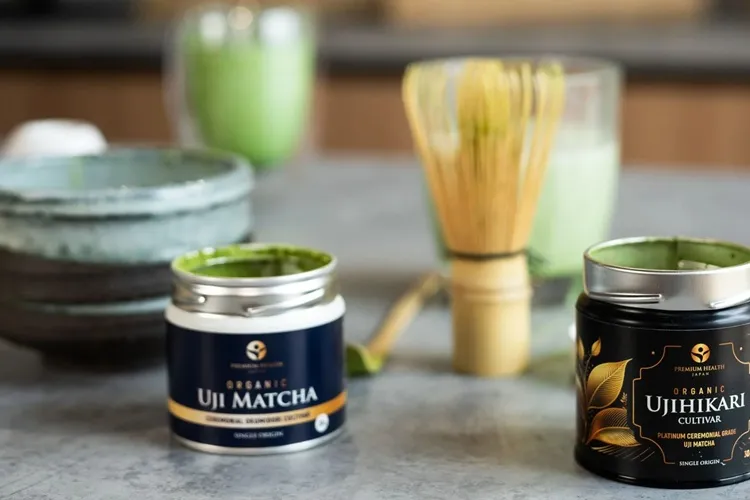
1. Uji – The Birthplace of Premium Matcha
No Kyoto matcha journey is complete without visiting Uji, the most famous tea-producing region in Japan. Located just south of Kyoto, Uji is globally recognized for producing some of the finest ceremonial-grade matcha.
Why Visit:
- Historic tea farms
- Traditional stone-ground matcha
- Byodo-in Temple cultural heritage
- Authentic Uji matcha desserts
2. Traditional Tea Ceremony in Gion
Kyoto’s Gion district offers immersive tea ceremony experiences where visitors can learn the philosophy behind chanoyu (Japanese tea ceremony).
Highlights:
- Matcha preparation rituals
- Kyoto geisha district atmosphere
- Cultural understanding of tea etiquette
3. Nishiki Market Matcha Street Foods
Known as “Kyoto’s Kitchen,” Nishiki Market blends traditional and modern matcha culture.
Try:
- Matcha mochi
- Matcha soft serve
- Matcha warabi mochi
- Matcha roasted snacks
4. Historic Tea Houses in Higashiyama
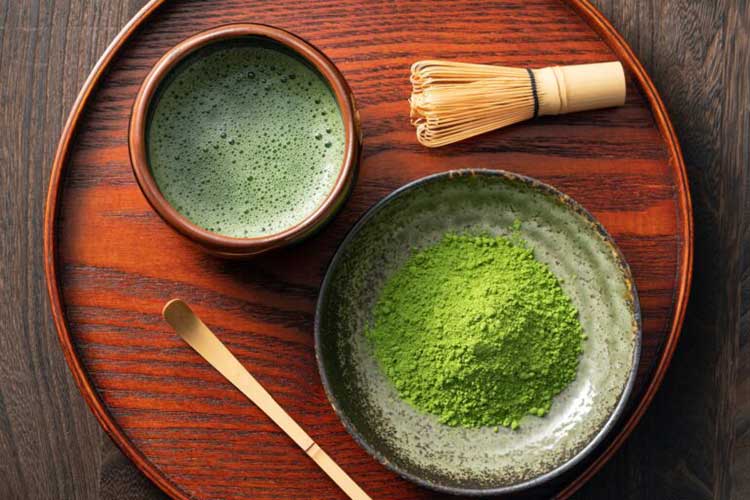
The preserved streets of Higashiyama are home to centuries-old tea houses serving handcrafted bowls of matcha.
Best For:
- Traditional Kyoto aesthetics
- Tea with wagashi sweets
- Premium matcha tasting
5. Matcha Sweets in Arashiyama
Arashiyama combines scenic beauty with Kyoto’s creative matcha dessert culture.
Popular Choices:
- Matcha parfaits
- Matcha pancakes
- Matcha tiramisu
6. Kyoto Tea Museums & Cultural Centers
For deeper educational value, Kyoto’s tea museums explain:
- Matcha farming
- Shade-growing techniques
- Stone grinding
- Japanese tea evolution
7. Wazuka Tea Fields – Hidden Gem for Matcha Lovers
Less crowded than Uji, Wazuka is famous for picturesque tea plantations and artisan producers.
8. Seasonal Matcha Experiences
Kyoto offers unique seasonal tea experiences:
- Spring sakura + matcha
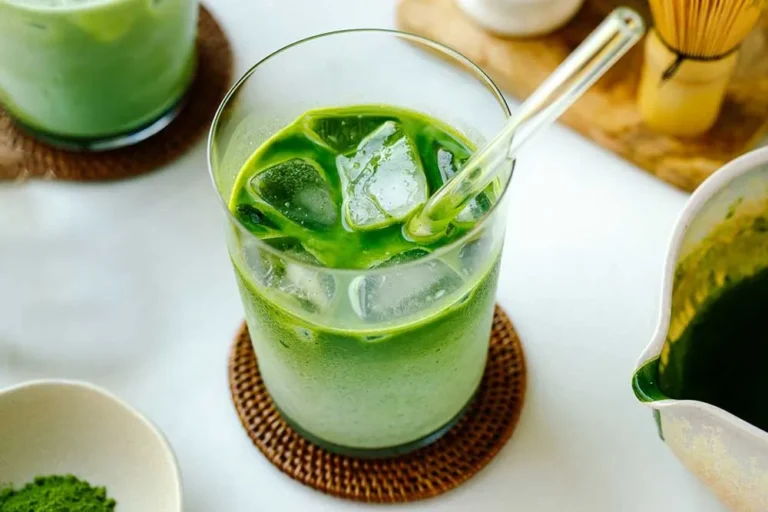
- Summer iced matcha
- Autumn tea harvest
- Winter tea ceremonies
9. Buying Authentic Matcha in Kyoto
Visitors often ask how to identify high-quality matcha in Kyoto. With so many options available, understanding key quality indicators is essential.
Tips for choosing authentic matcha:
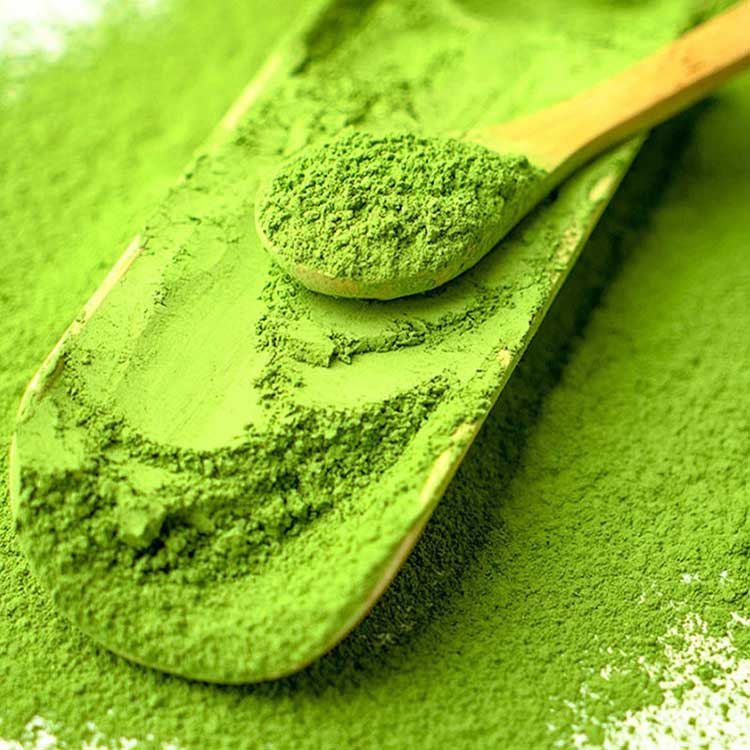
- Bright, natural green color
- Fine stone-ground powder texture
- Fresh aroma without bitterness
- Smooth umami taste
- Clear origin (such as Uji or Kyoto region)
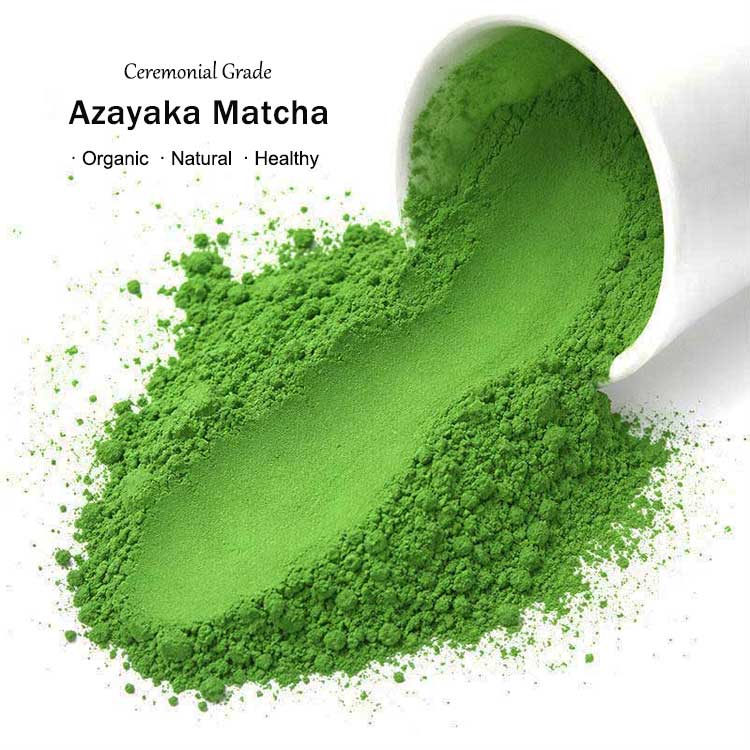
For global buyers and café owners, these standards are also reflected in modern premium suppliers such as Azayaka Matcha, which focuses on consistent quality, stable supply, and matcha products designed for beverages, baking, and professional food service use.
Kyoto’s tea culture continues to set the benchmark for brands that aim to deliver authentic Japanese matcha experiences worldwide.
10. Bringing Kyoto Matcha Culture Home
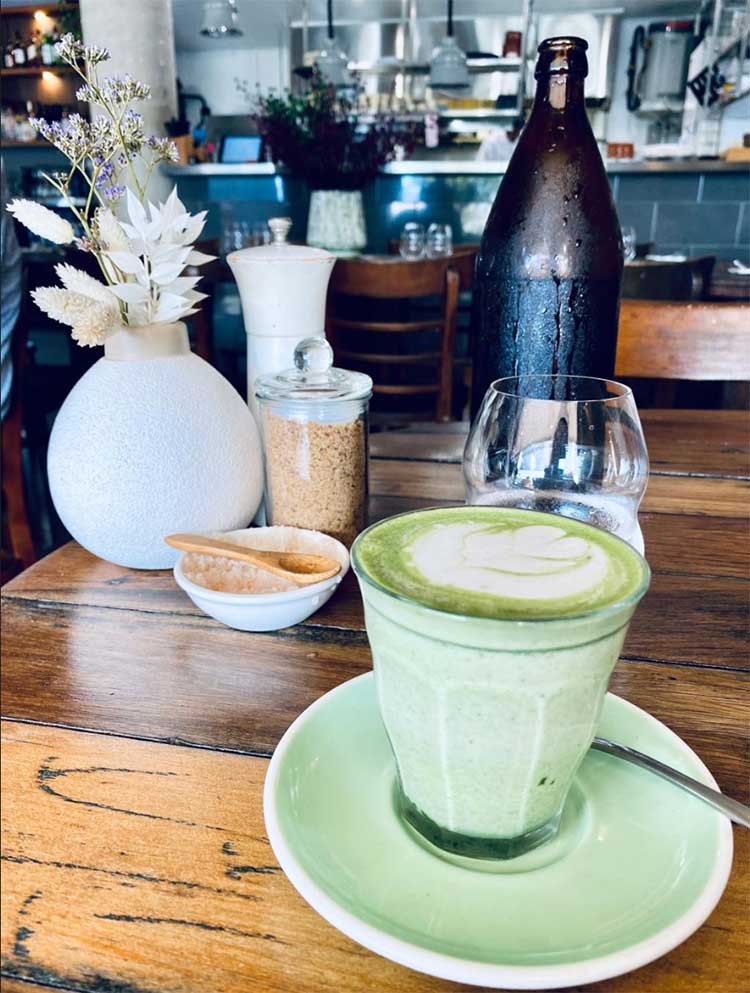
Kyoto inspires not only travelers but also cafés and global tea businesses seeking authentic matcha experiences.
For businesses looking for stable, high-quality matcha inspired by Japanese standards, understanding Kyoto’s matcha culture can guide better sourcing decisions.
Kyoto is more than a travel destination—it is the living heart of matcha culture. Whether you’re exploring Uji’s legendary tea fields, experiencing a tea ceremony in Gion, or tasting innovative matcha desserts, Kyoto offers unmatched inspiration.
For modern matcha brands like Azayaka Matcha, Kyoto’s tea culture serves not only as inspiration but also as a benchmark for quality, tradition, and craftsmanship that continues to influence global matcha demand.
FAQ
What is the best place for matcha in Kyoto?
Uji is widely considered the best destination for authentic premium matcha in Kyoto.
Is Uji matcha better than regular matcha?
Uji matcha is often regarded as superior due to traditional cultivation methods and regional expertise.
Where can I experience a tea ceremony in Kyoto?
Gion and Higashiyama are popular districts for authentic Japanese tea ceremonies.
What matcha souvenirs should I buy in Kyoto?
Ceremonial-grade Uji matcha, matcha sweets, and handcrafted tea tools are excellent choices.