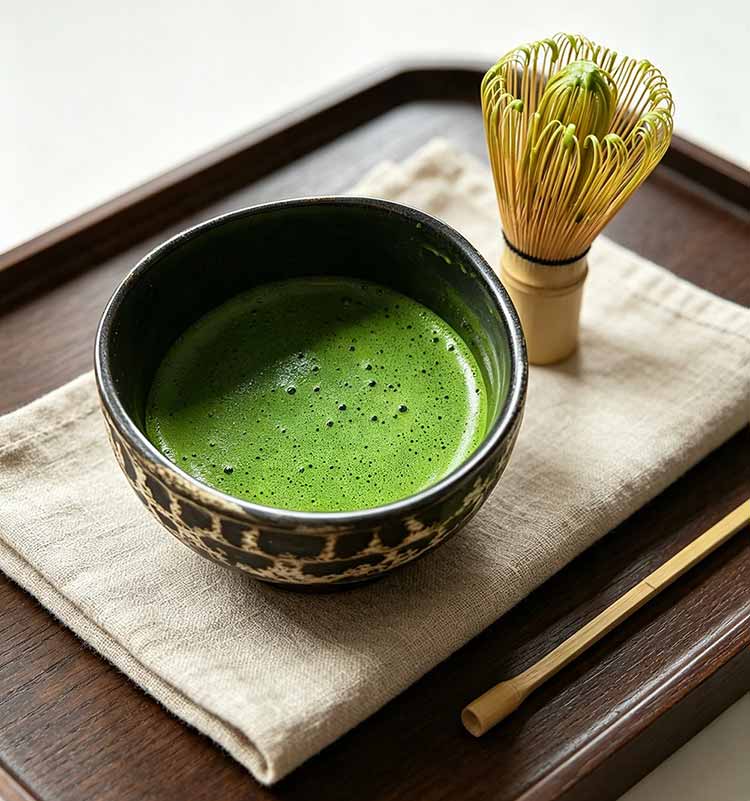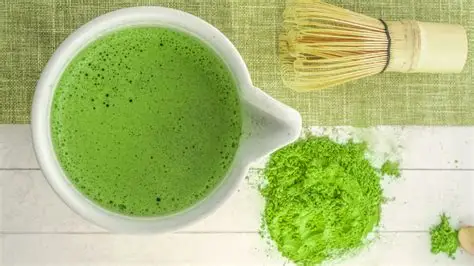

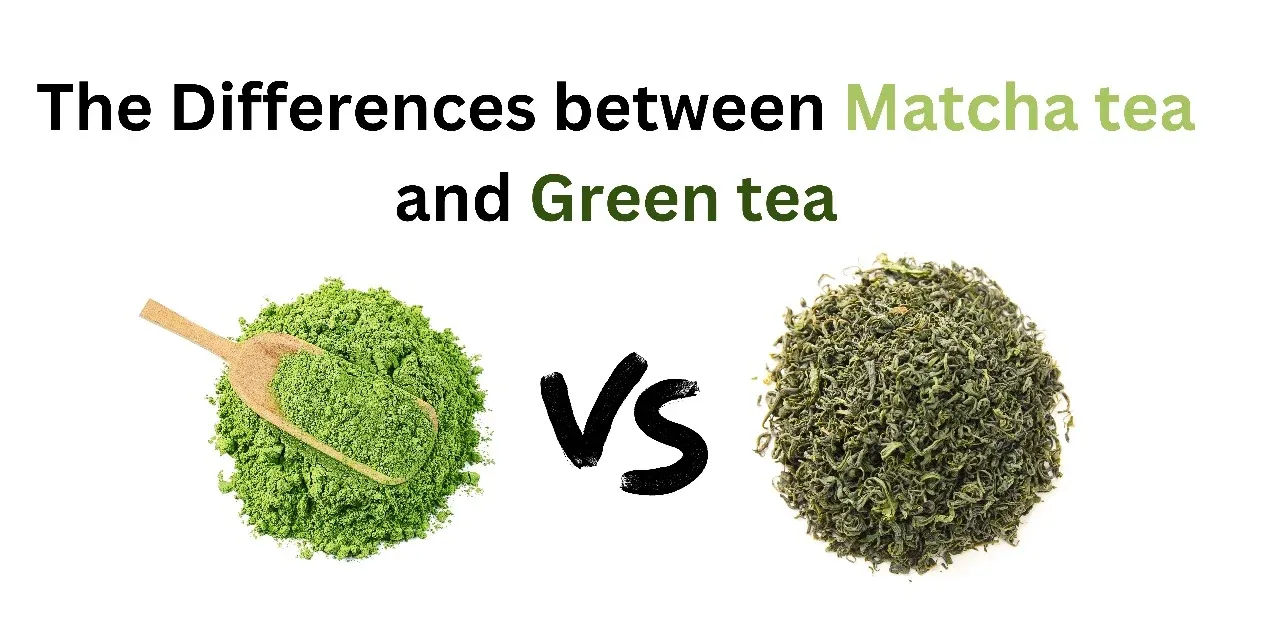
Yes, matcha and green tea come from the same plant, Camellia sinensis, but they are produced and consumed in very different ways. Traditional green tea is made by steeping tea leaves in water and then removing the leaves, while matcha is made by grinding specially grown tea leaves into a fine powder that is completely consumed.
Because you drink the entire tea leaf when drinking matcha, it provides a different flavor experience, nutritional profile, and preparation method compared with regular green tea.
Matcha vs Green Tea: Key Differences
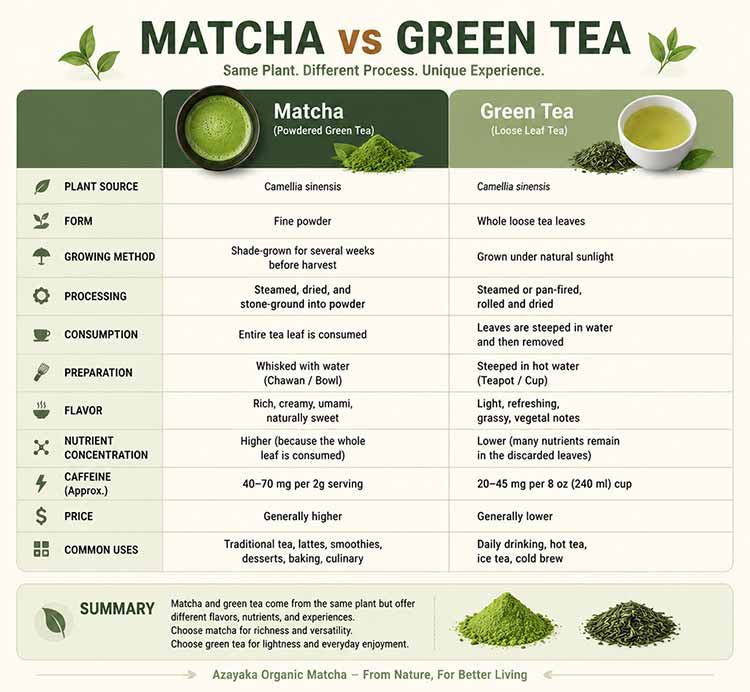
| Difference | Matcha | Green Tea |
|---|---|---|
| Plant source | Camellia sinensis | Camellia sinensis |
| Form | Fine powdered tea leaves | Whole tea leaves |
| Growing method | Often shade-grown before harvest | Usually grown under normal sunlight |
| Consumption | Entire leaf is consumed | Leaves are steeped and removed |
| Flavor | Rich, creamy, umami taste | Light, refreshing, grassy taste |
| Preparation | Whisked with water | Steeped in hot water |
| Nutrient concentration | Higher because the whole leaf is consumed | Lower because many compounds remain in discarded leaves |
What Is Matcha?
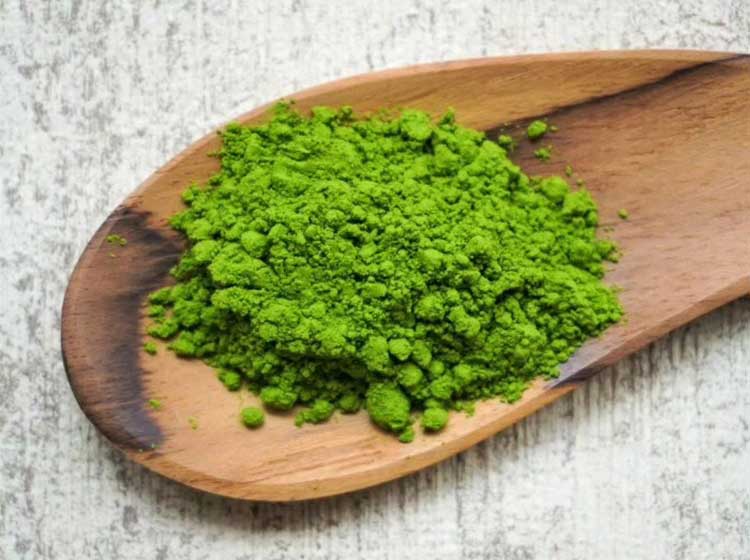
Matcha is a type of Japanese green tea made from specially cultivated tea leaves called tencha. Several weeks before harvesting, tea plants are covered to reduce direct sunlight exposure. This process encourages the production of chlorophyll and amino acids, especially L-theanine, which contributes to matcha’s characteristic smooth flavor and umami taste.
After harvesting, the leaves are steamed to prevent oxidation, dried, and carefully ground into a fine powder using traditional stone mills.
Unlike regular tea, matcha is not an infusion. The powdered tea itself becomes part of the drink, which means you consume the entire tea leaf.
What Is Green Tea?
Green tea refers to a broad category of teas made from unoxidized tea leaves. After harvesting, the leaves are quickly heated through steaming or pan-firing to preserve their green color and fresh flavor.
When drinking traditional green tea, such as sencha, gyokuro, or other Japanese green teas, the leaves are steeped in water and then removed before consumption.
The final drink contains many beneficial compounds from the leaves, but a significant portion remains in the tea leaves that are not consumed.
Why Does Matcha Taste Different From Green Tea?
The biggest flavor difference comes from cultivation and preparation.
Matcha usually has:
- A deeper green color
- A richer umami flavor
- A creamy texture
- Natural sweetness with less bitterness
Regular green tea often has:
- A lighter body
- Fresh grassy notes
- A cleaner, more refreshing taste
The shading process used for high-quality matcha increases amino acids, which help create its smooth and savory character.
Does Matcha Have More Nutrients Than Green Tea?
Because matcha contains the entire tea leaf, it generally provides a higher concentration of certain natural compounds compared with brewed green tea.
Matcha contains:
- Catechins, including EGCG
- L-theanine
- Chlorophyll
- Natural plant compounds
However, the nutritional difference depends greatly on the tea quality, growing conditions, processing methods, and serving size.
A high-quality ceremonial matcha made from carefully selected tea leaves will have a different composition compared with lower-grade culinary matcha or ordinary green tea bags.
Does Matcha Have More Caffeine Than Green Tea?
Generally, matcha contains more caffeine than a typical cup of brewed green tea because you consume the whole leaf.
Approximate caffeine levels:
| Beverage | Average caffeine |
|---|---|
| Matcha (1 serving, about 2g powder) | 40–70 mg |
| Green tea (8 oz cup) | 20–45 mg |
| Coffee (8 oz cup) | 80–120 mg |
The exact amount depends on the tea variety, preparation method, and serving size.
Is Matcha Healthier Than Green Tea?
Neither matcha nor green tea is universally “better.” They are simply different ways of enjoying tea.
Matcha may be a better choice for people who want:
- A stronger tea flavor
- More concentrated tea compounds
- A creamy beverage experience
- A natural energy boost
Green tea may be preferred by people who enjoy:
- A lighter taste
- A refreshing daily tea
- A simple brewing method
Both are traditional forms of tea with a long history of consumption in Japan and around the world.
Can You Use Matcha Instead of Green Tea?
Yes, but they are not always interchangeable.
Matcha works well in:
- Matcha lattes
- Smoothies
- Desserts
- Baking
- Specialty beverages
Green tea is commonly used for:
- Traditional tea brewing
- Cold brewed tea
- Everyday drinking
The powder form of matcha also makes it easier to incorporate into recipes.
Which One Should You Choose: Matcha or Green Tea?
The choice depends on your preference.
Choose matcha if you enjoy a richer flavor, vibrant color, and the experience of consuming the whole tea leaf.
Choose green tea if you prefer a lighter drink that is easy to prepare and enjoy throughout the day.
For cafés, beverage brands, and food manufacturers, matcha offers more versatility because it can be used in drinks, desserts, and functional food applications.
FAQ
Is matcha just powdered green tea?
No. Matcha is a specific type of powdered Japanese green tea made from shade-grown tea leaves called tencha. Not all green tea can be made into matcha.
Is matcha stronger than green tea?
Yes, matcha usually has a stronger flavor and higher concentration of tea compounds because the entire leaf is consumed.
Does matcha come from the same plant as green tea?
Yes. Both come from the same tea plant, Camellia sinensis. The difference comes from cultivation, processing, and preparation.
Why is matcha more expensive than green tea?
High-quality matcha requires careful cultivation, shade growing, selective harvesting, and fine grinding, making production more labor-intensive than standard green tea.
Matcha and green tea share the same origin, but they represent two different tea experiences. Green tea is enjoyed as a brewed beverage, while matcha offers the unique experience of consuming finely ground tea leaves.
Understanding the difference helps consumers choose the right tea for their taste, lifestyle, or business application.
Can I use matcha powder instead of green tea?
Yes. Matcha can be used for beverages, desserts, smoothies, and food applications, while traditional green tea is mainly prepared by steeping leaves in hot water.