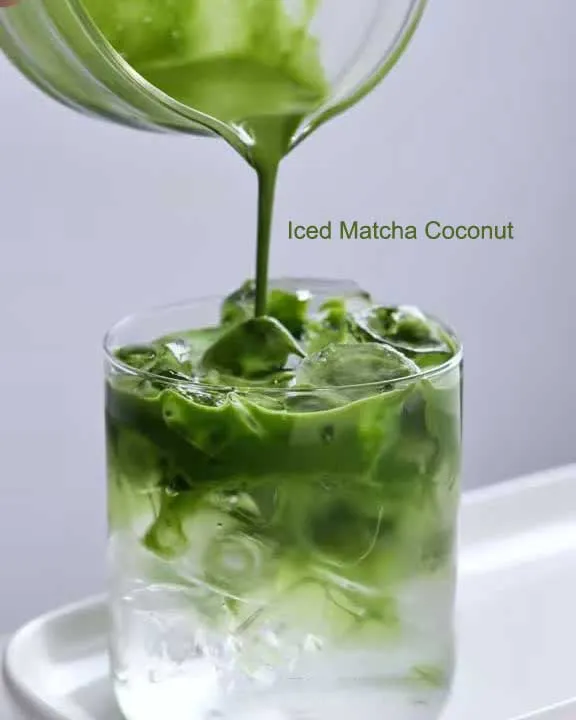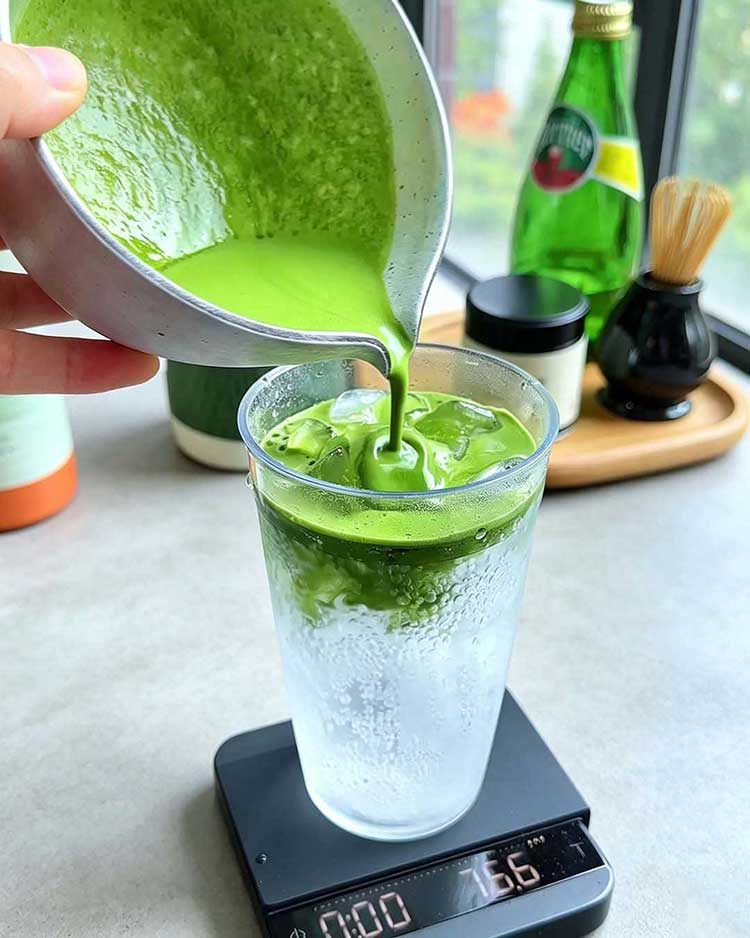

As one of the fastest-growing functional ingredients in the global food and beverage industry, Japanese matcha has evolved far beyond traditional tea culture. Today, premium bulk matcha is a staple ingredient for specialty cafés, beverage brands, bakeries, dessert manufacturers, and commercial food enterprises across international markets.
Driven by surging global demand for matcha-infused products, commercial buyers are shifting from small retail orders to professional bulk matcha procurement. Kilogram-scale wholesale matcha sourcing helps food and beverage businesses reduce operational costs, standardize product recipes, and build stable, scalable long-term supply chains for mass production.
That said, bulk matcha sourcing is never limited to finding the lowest wholesale price. For commercial manufacturing and catering use, wholesale matcha quality directly impacts the taste, visual appeal, color stability, and shelf life of end products. High-quality matcha formulated for traditional brewing often fails to deliver consistent performance in matcha lattes, bottled RTD beverages, baked goods, and processed desserts.
Trusted wholesale matcha suppliers deliver far more than competitive pricing. Professional commercial matcha partners ensure reliable batch consistency, uninterrupted bulk supply, complete food safety compliance documentation, and application-specific matcha solutions tailored for cafés, beverage lines, and food manufacturing businesses. A structured supplier evaluation process enables global buyers to make data-driven bulk matcha purchasing decisions.
Why Commercial Brands Choose Bulk Matcha Sourcing Over Retail Orders
The booming market for matcha-based food and beverage products has transformed commercial procurement strategies. Most cafés start with small matcha orders for menu testing, but growing customer demand requires consistent flavor, uniform green color, and stable bulk inventory. Similarly, food and beverage manufacturers rely on large-volume wholesale matcha sourcing to meet production timelines and strict commercial quality standards.
Bulk matcha purchasing delivers three core commercial advantages:
Consistent Product Quality Across Batches
For commercial buyers, batch-to-batch consistency is the top priority for wholesale matcha, outweighing one-off premium quality. Consumers expect a uniform sensory experience with every matcha product purchase. Chain cafés require identical matcha latte quality across all locations, while manufacturers mandate full recipe consistency for every production run. Reputable bulk matcha suppliers maintain strict standards for powder color, flavor profile, texture solubility, recipe compatibility, and core product specifications.
Optimized Cost Efficiency
Bulk wholesale matcha purchasing significantly lowers per-kilogram costs compared to small retail packaging. However, the cheapest wholesale matcha rarely delivers the best long-term value for commercial use. Low-cost bulk matcha often causes inconsistent batch quality, frequent recipe adjustments, poor end-product performance, and increased production overhead. Professional B2B matcha buyers evaluate total value, including product quality stability, supply reliability, commercial packaging standards, compliance certifications, and dedicated supplier technical support.
Streamlined Supply Chain Management
Frequent small-batch matcha orders create unnecessary inventory complexity and operational inefficiency for regular commercial users. Bulk matcha sourcing simplifies inventory planning, reduces ordering frequency, stabilizes mass production schedules, and ensures continuous ingredient supply — a critical benefit for scaling food, beverage, and café brands.
Key B2B Buyers of Wholesale Bulk Matcha
Wholesale bulk matcha serves a diverse range of B2B buyers in the global F&B industry, including specialty and chain cafés, bubble tea brands, ready-to-drink (RTD) beverage manufacturers, bakeries, dessert and ice cream producers, industrial food manufacturers, matcha importers, global distributors, and private label matcha brands.
While all these businesses source bulk Japanese matcha, their quality and functional requirements differ drastically. Cafés prioritize smooth flavor and per-serving cost efficiency; beverage brands focus on long-term color stability and mass production consistency; importers and distributors prioritize complete certification documentation, flexible wholesale packaging, and reliable cross-border logistics. For this reason, strategic wholesale matcha selection always starts with defining your specific end-use application.
How to Choose the Right Matcha Grade for Commercial Applications
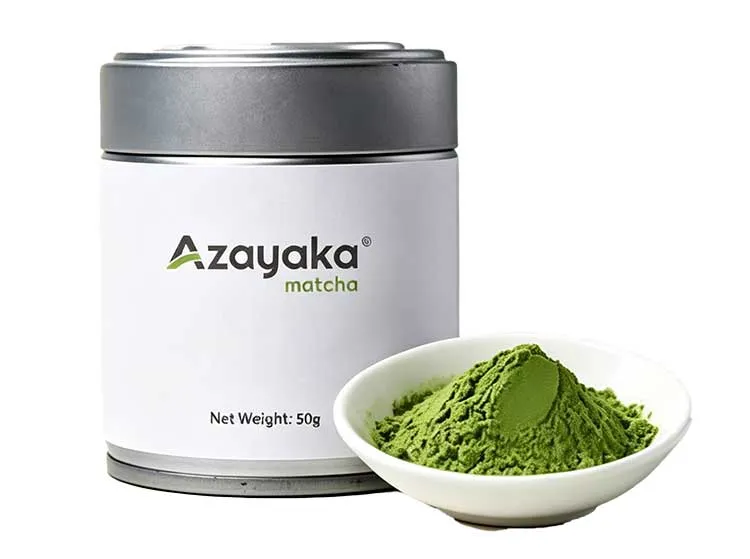
A common mistake for new wholesale matcha buyers is assuming the highest-grade matcha works for all commercial uses. In reality, the best bulk matcha grade depends entirely on your end products and production processes. Ceremonial grade matcha, designed for traditional standalone tea brewing, is often cost-ineffective and impractical for large-scale food and beverage manufacturing. The ideal commercial matcha balances premium flavor, vibrant green color, stable functional performance, and optimal wholesale cost efficiency.
Ceremonial Grade Matcha (Premium Tea Use)
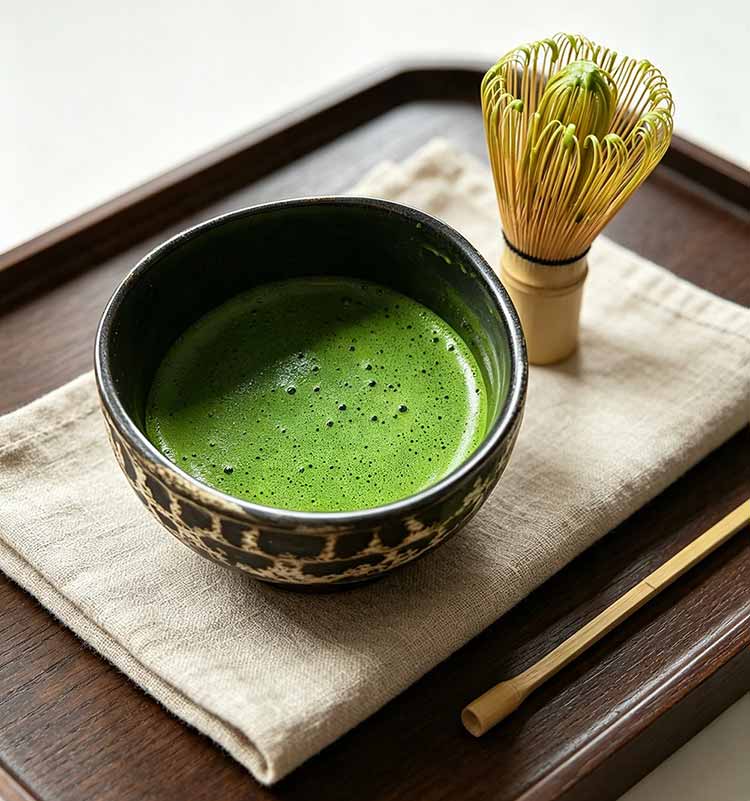
As the highest-tier Japanese matcha, ceremonial grade bulk matcha is formulated exclusively for traditional tea brewing and luxury consumer experiences. Fully consumed with water, it features a fresh vegetal aroma, ultra-smooth fine texture, vivid emerald green color, and balanced umami flavor. This grade is ideal for premium pure matcha tea servings and high-end tea product lines where refined sensory quality is the core selling point.
Premium Grade Matcha (Best for Café & Beverage Use)
Premium grade bulk matcha is the most versatile and cost-effective option for commercial beverage applications, widely used by cafés and global beverage brands. It delivers stable performance in matcha lattes, iced matcha drinks, specialty craft beverages, and healthy smoothies. When blended with dairy, plant-based milk, or sweeteners, wholesale premium matcha retains a bright green hue and mellow balanced flavor, avoiding the unnecessary cost premium of ceremonial grade for mixed beverage products.
Culinary Grade Matcha (Ideal for Baking & Desserts)
Culinary grade bulk matcha is purpose-built for commercial food manufacturing and high-temperature baking. It is the staple wholesale option for matcha-infused cakes, cookies, pastries, chocolate, ice cream, and premium desserts. Featuring intense, long-lasting matcha flavor, superior heat resistance, and excellent color retention during processing, culinary grade matcha delivers optimal functional performance and maximum cost efficiency for food manufacturers.
Ingredient Grade Matcha (Industrial Manufacturing Use)
Ingredient grade bulk matcha is tailored for large-scale industrial food and beverage manufacturing, where batch consistency and functional stability are critical. Commercial manufacturers evaluate this wholesale matcha based on uniform flavor intensity, consistent color tone, recipe compatibility, production scalability, and budget control. It is the most practical, cost-effective solution for mass-produced standardized matcha products.
Why Product Testing Beats Blind Grade Selection for Wholesale Matcha
Most first-time wholesale matcha buyers quickly learn that high-priced matcha grades do not guarantee better end-product performance. Many cafés initially purchase ceremonial grade bulk matcha for premium menu positioning, yet real-recipe testing confirms that affordable premium grade matcha delivers identical color and flavor results in lattes and mixed drinks with far lower operational costs.
This principle applies to food manufacturing as well. Matcha that tastes exceptional as plain tea often loses its unique sensory characteristics when blended into baked goods, creams, or processed foods, offering no additional commercial value. Professional B2B matcha buyers always test bulk matcha samples in their actual production workflows and final recipes to verify color stability, blended flavor quality, batch consistency, and consumer acceptance before placing large wholesale orders. Experienced wholesale matcha suppliers leverage application expertise to help brands eliminate unnecessary sourcing costs.
Professional Bulk Matcha Quality Evaluation Criteria for Commercial Buyers
Selecting the correct matcha grade is only the first step in successful wholesale sourcing. Commercial buyers must conduct holistic quality assessments based on matcha origin, cultivation methods, production processing techniques, and sensory attributes — all key factors that determine real-world commercial performance.
Origin & Growing Region
Authentic Japanese matcha is globally recognized for standardized organic cultivation and specialized processing techniques, with regional climate, soil composition, and traditional farming practices creating unique product profiles. For brands marketing authentic Japanese matcha ingredients, full transparency over growing locations, processing facilities, and end-to-end wholesale supply chains is essential. Reliable wholesale matcha suppliers provide verifiable origin documentation instead of generic marketing claims.
Tea Cultivar
Tea cultivar directly shapes wholesale matcha’s color, aroma, and flavor profile. The most common commercial Japanese matcha cultivars include Yabukita, Okumidori, Saemidori, and Samidori. Each cultivar offers distinct traits: some produce brighter emerald green hues, while others deliver richer umami depth or smoother, milder taste. Importantly, cultivar alone does not define bulk matcha quality. Final product performance depends on harvest timing, cultivation management, processing precision, and storage conditions.
Color Performance
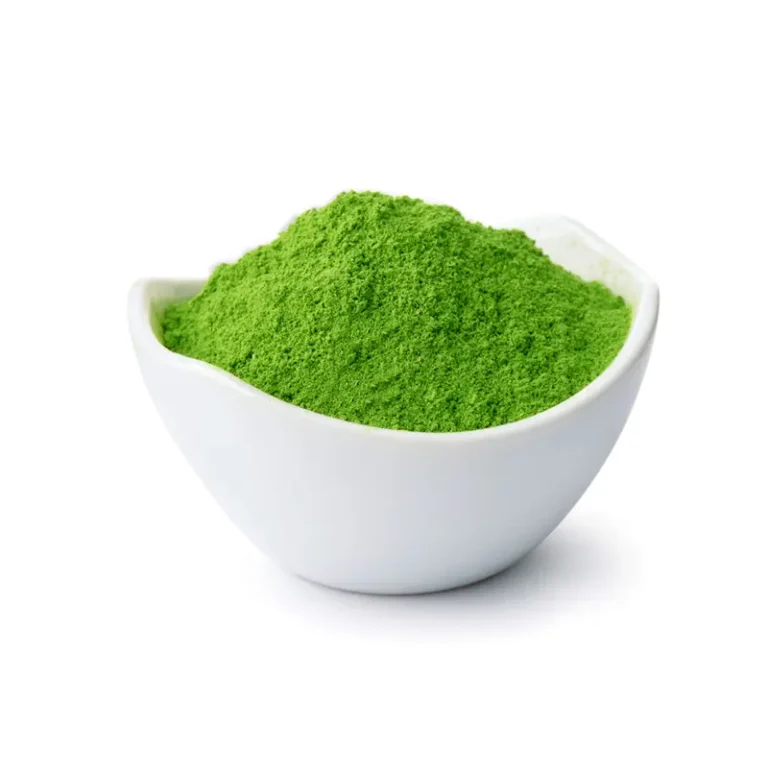
A vivid, fresh emerald green color is the most intuitive marker of high-quality bulk matcha and a core visual selling point for café and beverage brands. Beyond static powder color, commercial buyers must verify application-specific color stability — confirming whether wholesale matcha retains its bright tone in milk-based lattes, RTD bottled drinks, baked goods, and frozen desserts. A visually appealing raw matcha powder may still oxidize and fade rapidly during commercial processing, compromising end-product quality.
Aroma Freshness
Fresh, high-quality wholesale matcha features clean, natural vegetal notes with subtle sweetness and balanced umami undertones. Stale, musty, or earthy aromas indicate improper bulk storage, expired inventory, or poor post-harvest processing, which degrade the consumer sensory experience. Consistent fresh aroma is especially critical for premium matcha beverage and tea product lines.
Powder Texture
Top-grade bulk matcha boasts an ultra-fine, uniform, grit-free powder texture. This smooth consistency enables seamless mixing, zero sedimentation, pleasant mouthfeel, and a polished finished drink appearance — a key detail for premium cafés and beverage brands focused on superior consumer experiences.
Balanced Flavor Profile
Commercial bulk matcha prioritizes balanced, well-rounded flavor over intense, harsh taste. Premium wholesale matcha offers mild natural sweetness, fresh vegetal notes, rich umami, and a clean finish with minimal bitter aftertaste. While slight bitterness is inherent to natural matcha, excessive bitterness will overpower milk, sugar, and other formulated ingredients. The ultimate evaluation metric for wholesale matcha is real-recipe performance, not standalone taste quality.
Matcha Production Process: Key Factors Shaping Wholesale Quality
Japanese matcha features a specialized, controlled production process that differentiates it from ordinary green tea, with every step refining bulk matcha quality and commercial functionality for B2B use.
Pre-Harvest Shading
Tea plants are shaded for 20 to 30 days before harvest to block direct sunlight. This controlled pre-harvest shading boosts chlorophyll and amino acid accumulation, creating matcha’s signature bright green color, rich umami flavor, and mellow taste — the core attributes of premium wholesale Japanese matcha.
Harvesting & Tencha Processing
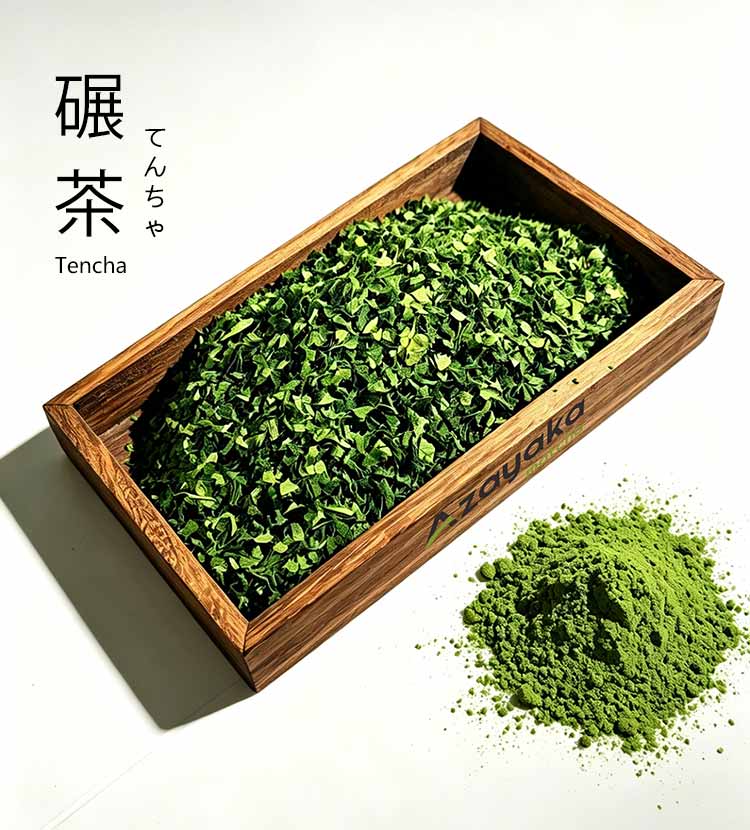
Freshly harvested tea leaves are immediately steamed to halt oxidation and lock in natural freshness. Leaves are then dried and refined into tencha, the premium raw material for authentic Japanese matcha. Stems and leaf veins are fully removed during tencha processing, leaving only tender leaf tissue for grinding to ensure pure texture and consistent flavor uniformity across all bulk matcha batches.
Low-Temperature Grinding
Premium wholesale matcha is ground slowly at low temperatures to avoid heat damage to active nutrients and delicate flavor compounds. This traditional grinding method produces ultra-fine, uniform matcha powder with superior solubility, smooth texture, and stable performance for both traditional brewing and modern commercial food and beverage applications.
Commercial Matcha Certifications & Compliance Documentation
Complete, valid compliance documentation is mandatory for cross-border wholesale matcha sales and global market entry. Professional bulk matcha suppliers provide customized certification packages tailored to regional food safety regulations worldwide.
Organic Certification
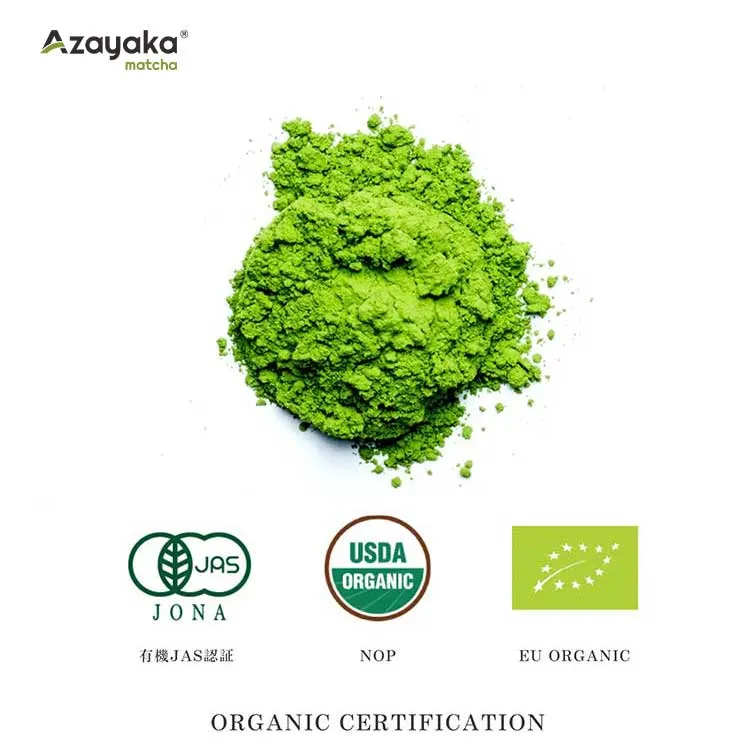
Global consumers and retailers increasingly prioritize organic matcha with transparent sourcing. For brands launching organic matcha product lines, it is critical to verify that wholesale suppliers hold valid, up-to-date batch-specific organic certifications, with full documentation available for customs inspection and retail compliance checks.
Certificate of Analysis (COA)
Batch-specific Certificates of Analysis (COA) are essential wholesale matcha documents that detail full quality test results, including physical powder specifications, flavor metrics, pesticide residue levels, heavy metal content, and microbiological safety data. These documents verify batch uniformity, support internal quality control, and meet global food safety standards for commercial distribution.
Additional Safety Testing
Reputable wholesale matcha suppliers provide third-party lab test reports for pesticide residues, heavy metals, and microbial contaminants, ensuring full compliance with EU, US, and international commercial food safety regulations.
Bulk Matcha Packaging Standards for Commercial Wholesale
Matcha powder is highly susceptible to quality degradation from oxygen, moisture, heat, and light exposure, which cause oxidation, color fading, flavor loss, and shortened shelf life. Professional commercial packaging is critical for preserving bulk matcha quality during long-distance wholesale shipping and extended inventory storage.
Standard wholesale bulk matcha packaging includes 500g, 1kg, 5kg, and 10kg bulk bags, with vacuum-sealed and nitrogen-flushed packaging as premium freshness-preservation solutions. Reliable wholesale suppliers also offer OEM, private label packaging, custom labeling, and retail-ready packaging to meet brand-specific commercial requirements.
Optimized wholesale matcha packaging minimizes oxidative damage, simplifies commercial inventory management, protects product quality during transit, and sustains consistent matcha performance throughout food and beverage production cycles.
Key Factors That Determine Wholesale Matcha Pricing
Wholesale bulk matcha pricing varies widely across global markets, with no universal standard rate. Core pricing factors include matcha grade, Japanese growing origin, organic certification status, wholesale order volume, custom packaging requirements, and additional third-party lab testing services.
Crucially, the cheapest wholesale matcha price rarely delivers the best long-term commercial value. Low-cost bulk matcha often features inconsistent batches, unstable color and flavor, poor recipe compatibility, and frequent production adjustments — all of which increase operational costs and damage brand reputation. For sustainable business growth, bulk matcha quality consistency and supply reliability always outweigh marginal upfront price savings.
How to Find & Vet Reliable Wholesale Matcha Suppliers
Selecting a wholesale matcha supplier is a long-term strategic business partnership, not a one-time bulk purchase. A qualified Japanese matcha supplier accelerates product development, standardizes end-product quality, and supports business scaling, while unvetted suppliers cause unstable production and customer complaints. Evaluate wholesale matcha vendors based on these core criteria:
Application-Focused Product Expertise
Top wholesale matcha suppliers do not sell generic one-size-fits-all matcha powder; they deliver application-specific B2B solutions. They tailor recommendations for unique business needs: color-stable, cost-effective bulk matcha for café lattes, high heat-tolerance matcha for baked goods, and fully standardized batch-consistent matcha for large-scale beverage manufacturing. Suppliers that prioritize your commercial application needs over pure sales deliver more reliable long-term partnerships.
Strict Batch-to-Batch Consistency
Sample quality cannot represent mass production consistency for wholesale matcha. Always verify suppliers’ formal quality control protocols, standardized production workflows, professional bulk storage systems, and batch testing procedures to ensure every wholesale order matches approved sample specifications. Unwavering batch consistency is the foundation of stable end-product quality and brand credibility for matcha businesses.
Stable Production Capacity & Supply Chain
Evaluate wholesale matcha suppliers’ regular production capacity, order lead times, inventory planning mechanisms, and international shipping expertise. Vendors suitable for small trial bulk orders often lack the infrastructure to support large-scale mass production and rapid business scaling. A robust, scalable wholesale matcha supply chain ensures uninterrupted ingredient supply and eliminates production downtime risks.
Transparent Communication & Full Support
Trusted wholesale matcha suppliers maintain transparent, efficient communication, providing clear details on product specifications, Japanese origin verification, certification credentials, bulk packaging options, production timelines, and global shipping processes. They offer proactive after-sales support and targeted problem-solving, building a solid foundation for long-term stable B2B partnerships.
Common Wholesale Matcha Sourcing Mistakes to Avoid
- Price-only supplier selection: Prioritizing low wholesale matcha prices over batch consistency, compliance documentation, and technical support leads to higher long-term operational risks and unstable product quality.
- Skipping real-recipe bulk sample testing: Specification sheets cannot replicate real-world commercial production performance. Always test wholesale matcha samples in your exact recipes and production workflows before confirming large bulk orders.
- Blindly pursuing premium matcha grades: Ceremonial grade bulk matcha is unnecessary and cost-inefficient for most commercial food and beverage applications. Always align matcha grade with your end use, not market reputation.
- Overlooking bulk packaging and storage requirements: Substandard wholesale packaging causes matcha oxidation and quality degradation during shipping and long-term storage, ruining full-batch product quality.
- Failing to plan for business scaling: Partner only with wholesale matcha suppliers that offer scalable production capacity and flexible service options to accommodate future order growth and custom private label demands.
Custom Bulk Matcha Solutions for Different Commercial Business Models
Cafés & Coffee Shops
Cafés and coffee shops prioritize vibrant matcha color, smooth mellow flavor, stable mixing performance, and balanced per-serving operational costs. Premium grade bulk matcha is the ideal daily-use wholesale option for most café matcha beverage menus.
Beverage Brands & RTD Manufacturers
Beverage brands and RTD manufacturers require strict batch consistency, long-term color stability, universal ingredient compatibility, and large-scale production adaptability. Application-specific premium or custom bulk matcha grades ensure uniform finished beverage quality for mass distribution.
Food Manufacturers (Bakery & Dessert)
Bakery and dessert manufacturers prioritize heat resistance, post-processing color retention, and stable matcha flavor intensity. Culinary grade bulk matcha delivers optimal functional performance and cost efficiency for baked goods, ice cream, and confectionery product lines.
Importers & Distributors
Matcha importers and global distributors require competitive wholesale pricing, stable large-volume bulk supply, comprehensive export compliance documentation, flexible packaging solutions, and professional cross-border logistics support.
The Value of Partnering with an Experienced Matcha Supplier
Bulk matcha is a specialized functional ingredient, not a generic commodity. Experienced wholesale matcha suppliers understand every brand has unique market positioning, formulation standards, and production requirements, delivering fully customized B2B sourcing solutions. A professional supplier partnership helps brands select optimal matcha grades, standardize product quality, mitigate sourcing risks, accelerate new product development, and support long-term business scaling.
At AZ Matcha, we provide reliable authentic Japanese bulk matcha sourcing solutions for global B2B clients, including standard wholesale matcha, certified organic bulk matcha, OEM formulation customization, and private label packaging services. We cater to the unique operational needs of cafés, beverage brands, food manufacturers, and international matcha distributors, delivering high-quality, cost-effective wholesale matcha for commercial-scale production.
FAQs: Wholesale & Bulk Matcha Sourcing for Commercial Buyers
What is commercial bulk matcha?
Bulk matcha is commercial-grade Japanese matcha sold in kilogram-scale wholesale volumes for B2B catering and industrial manufacturing, distinct from small retail consumer packaging. Wholesale bulk matcha orders range from small trial batches to large-scale industrial bulk quantities.
Is bulk matcha more cost-effective?
Bulk wholesale matcha purchasing reduces per-unit costs, but overall ROI depends on matcha grade, organic certification status, packaging specifications, and batch consistency. Maximum commercial value comes from matching the right bulk matcha grade to your specific application, not chasing the lowest wholesale market price.
What is the best matcha grade for café use?
Premium grade bulk matcha is the best option for daily café beverages like lattes and iced matcha drinks, balancing premium visual appeal, smooth flavor, and commercial cost efficiency. Ceremonial grade bulk matcha is reserved exclusively for luxury pure tea servings.
What matcha grade is best for baking and desserts?
Culinary grade bulk matcha is optimized for commercial baking and food processing, featuring reliable color retention, concentrated natural matcha flavor, and strong heat resistance, making it the top wholesale choice for baked goods, ice cream, and confectionery products.
Can I source certified organic bulk matcha?
Yes. We supply fully certified organic bulk matcha with complete, verifiable certification documentation to meet global organic market compliance and retail standards for commercial buyers.
Is wholesale matcha available for private label?
Yes. We offer full OEM and private label wholesale matcha services, including custom bulk packaging, branded labeling, targeted formulation adjustments, and exclusive product development support for commercial brands.
Should I request samples before bulk ordering?
Absolutely. Pre-order bulk matcha sample testing in your exact commercial recipes and production workflows is the most reliable method to verify color performance, flavor consistency, stability, and overall application suitability before placing large wholesale orders.
What should I verify with a Japanese matcha supplier?
Partner with Japanese matcha suppliers that offer transparent origin verification, valid safety certifications and COA reports, strict batch consistency control, scalable wholesale production capacity, dedicated sample support, and extensive international shipping experience.
What is the MOQ for bulk matcha orders?
Minimum order quantities for wholesale bulk matcha vary by matcha grade, packaging type, and customization requirements. Standard bulk matcha products feature low entry-level MOQs, while OEM and private label wholesale projects follow customized volume terms.
Final Thoughts
Bulk matcha sourcing is a strategic core decision for all matcha-infused food and beverage businesses. While competitive wholesale pricing matters, long-term commercial success relies on consistent bulk matcha quality, stable wholesale supply chains, full compliance documentation, and professional application-focused supplier support.
Always test bulk matcha samples, validate supplier capabilities, and evaluate real-world production performance before finalizing large wholesale orders. Whether you operate a café, beverage brand, food manufacturing enterprise, or ingredient distribution business, partnering with a professional wholesale matcha supplier optimizes your product lineup, stabilizes supply chains, and drives sustainable long-term business growth.