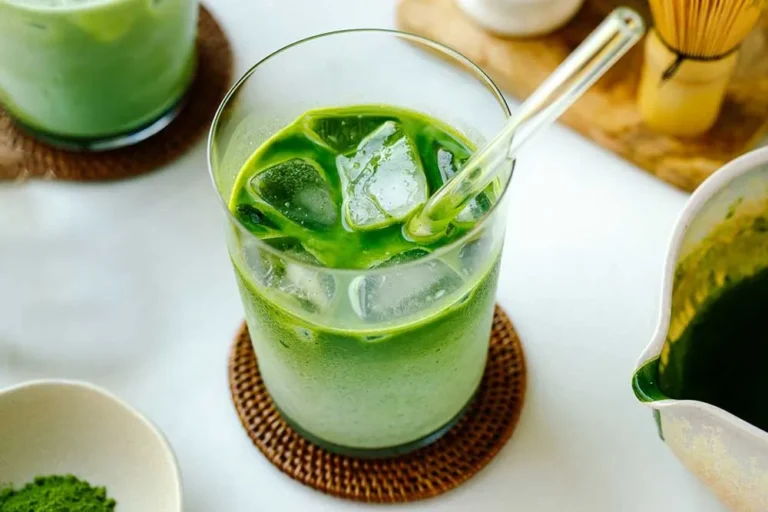

Dirty matcha is a simple drink with a striking look: cold milk, ice, and a concentrated layer of matcha poured over the top. As the matcha slowly mixes into the milk, you get a drink that is creamy, refreshing, and noticeably more matcha-forward than a typical latte.
It is also easy to make at home. You do not need an espresso machine or any special equipment beyond a matcha whisk or frother.
f you enjoy the flavor of matcha but want something cold and creamy, dirty matcha is worth trying. Want to try it with our matcha? Join our community and claim a free sample to discover the flavor for yourself.

What Is Dirty Matcha?
Dirty matcha is an iced matcha drink made by pouring concentrated matcha over cold milk and ice.
The word “dirty” refers to the way the drink looks rather than anything about the ingredients. The dark green matcha concentrate sits above the pale milk, creating a layered appearance before the two gradually blend together.
A typical dirty matcha contains three basic ingredients:
- Matcha powder
- Water
- Milk or a plant-based milk
Ice is usually added to keep the drink cold.
Unlike a traditional bowl of matcha, dirty matcha is designed to be enjoyed as a modern cold beverage. The matcha is prepared with a relatively small amount of water, which gives it a stronger flavor when combined with milk.
Dirty Matcha vs. Matcha Latte
Dirty matcha and an iced matcha latte use many of the same ingredients, but the preparation is different.
With a traditional iced matcha latte, the matcha and milk are usually mixed together before serving. The result is a smooth, evenly colored drink.
With dirty matcha, the matcha is prepared separately and poured over the milk. This creates distinct layers and gives the first few sips a more concentrated matcha flavor.
| Dirty Matcha | Iced Matcha Latte | |
|---|---|---|
| Matcha preparation | Concentrated matcha | Matcha mixed with water or milk |
| Appearance | Layered | Evenly mixed |
| Flavor | More concentrated | Generally smoother and milder |
| Milk | Cold milk | Cold milk |
| Ice | Usually included | Usually included |
There is no right or wrong way to make either drink. The main difference is how you prepare and serve the matcha.
What Does Dirty Matcha Taste Like?
The flavor depends largely on the matcha you use.
A good matcha can bring notes of umami, mild sweetness, fresh grassiness, and a clean finish. Milk softens the sharper edges of the tea and adds a creamy texture.
Because the matcha concentrate is not heavily diluted, dirty matcha can taste more intense than a standard iced matcha latte.
If you prefer a lighter drink, use a little more milk. If you want a stronger matcha flavor, increase the amount of matcha rather than adding more water.
How Much Matcha Do You Need for Dirty Matcha?
For one serving, about 2 grams of matcha is a good starting point.
A simple ratio is:
- 2 g matcha powder
- 30–50 ml warm water
- 180–240 ml cold milk
- Ice
The exact amount is flexible. Matcha varies in flavor and strength, and personal preference matters.
If you are new to matcha, start with 2 grams. Once you know how strong you like your drink, you can adjust the amount accordingly.
Two grams is also roughly one teaspoon, although the actual weight of a teaspoon can vary depending on how finely the matcha is packed. For consistent results, weighing your matcha is more accurate than measuring by volume.
How to Make Dirty Matcha at Home
Ingredients
For one glass:
- 2 g matcha powder
- 30–50 ml warm water
- 180–240 ml cold milk
- Ice
- Optional: a small amount of sweetener
1. Sift the matcha
Place the matcha powder in a small bowl and sift it through a fine mesh strainer.
This step helps break up small clumps and makes the matcha easier to whisk.
2. Add warm water
Add approximately 30–50 ml of warm water.
Avoid boiling water. Water that is too hot can make the matcha taste harsh or overly bitter.
3. Whisk until smooth
Using a bamboo matcha whisk or electric frother, whisk the matcha until it is smooth and well combined.
You are looking for a concentrated, pourable matcha rather than a large amount of foam.
4. Prepare the milk
Fill a glass with ice and pour in your cold milk.
Regular dairy milk works well, but oat milk, almond milk, soy milk, and other plant-based alternatives can also be used.
5. Pour the matcha over the milk
Slowly pour the prepared matcha over the milk.
Pouring it gently over the back of a spoon can help create more defined layers.
6. Stir and enjoy
You can drink it layered or give it a quick stir before drinking.
The first sip will usually have a stronger matcha character, while stirring creates a more balanced combination of tea and milk.
What Milk Is Best for Dirty Matcha?
There is no single best milk. The choice comes down to the flavor and texture you prefer.
Whole milk gives the drink a rich, creamy texture and naturally balances the flavor of matcha.
Oat milk is a popular choice for its creamy texture and slightly sweet flavor. It works particularly well with matcha in iced drinks.
Soy milk has a fuller body and can complement the savory, umami character of matcha.
Almond milk creates a lighter drink with a subtle nutty flavor.
If you are trying dirty matcha for the first time, whole milk or oat milk is a good place to start.

What Matcha Is Best for Dirty Matcha?
The matcha you choose makes a noticeable difference because the tea remains relatively concentrated in a dirty matcha.
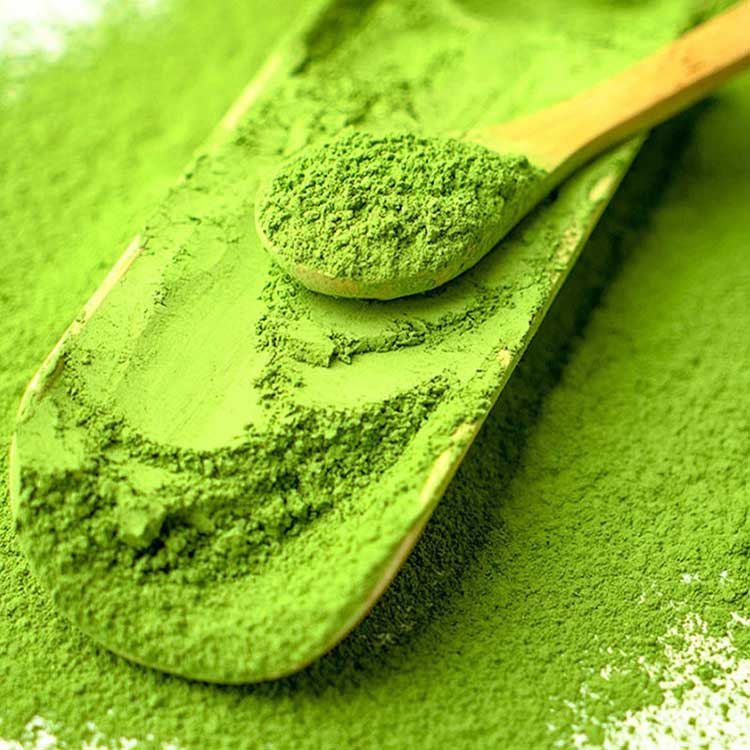
For a drink where the matcha flavor is meant to stand out, look for a powder with:
- A vibrant green color
- A fresh, clean aroma
- Smooth texture
- Pleasant umami
- A balanced finish
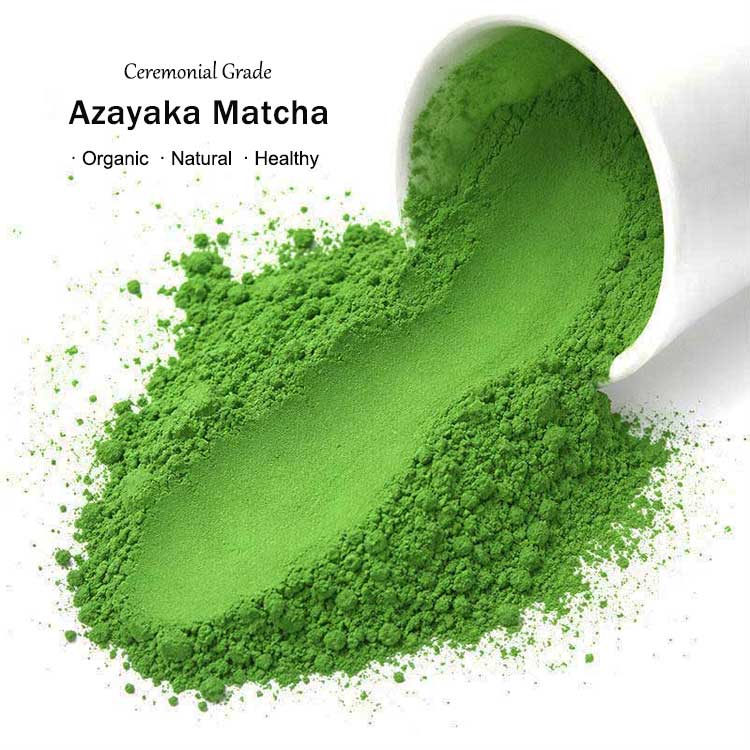
A high-quality ceremonial-style matcha can be an excellent choice when you want the character of the tea to remain noticeable alongside milk.
Culinary grade matcha can also work, particularly when making larger batches of lattes, smoothies, desserts, or other recipes where the matcha is combined with several ingredients.
The best choice ultimately depends on how you want your drink to taste.
Can You Use Culinary Grade Matcha for Dirty Matcha?
Yes.
Culinary grade matcha can be used to make dirty matcha, especially if you prefer a stronger, more straightforward tea flavor or are looking for a more economical option for everyday drinks.
However, because dirty matcha uses a concentrated amount of tea, the quality and flavor of the powder are easy to notice.
If the matcha tastes excessively bitter, stale, or flat on its own, adding milk will not necessarily fix the problem.
For a smoother and more refined drink, choose a matcha that you enjoy drinking by itself.
How to Make Dirty Matcha Without a Bamboo Whisk
A traditional bamboo whisk is useful, but it is not essential.
An electric milk frother can quickly blend matcha and water. A small shaker or tightly sealed jar can also work—add the matcha and water, close the lid securely, and shake until smooth.
A fine-mesh strainer is particularly helpful when using these methods because it can remove any remaining clumps.
The goal is simply to produce a smooth matcha concentrate before adding it to the milk.
Should You Add Sweetener to Dirty Matcha?
That depends on the matcha and your preference.
Good matcha can have natural sweetness and umami, so you may not need any additional sugar.
If you prefer a sweeter drink, try a small amount of:
- Simple syrup
- Maple syrup
- Honey
- Agave syrup
For a clean matcha flavor, start with a small amount and add more only if needed.
Too much sweetness can easily overpower the tea.
Why Does My Matcha Taste Bitter?
Bitterness can come from several factors.
The water is too hot
Boiling or very hot water can produce a harsher flavor. Use warm water rather than boiling water when preparing the matcha.
You are using too much matcha
A very high matcha-to-water ratio can make the drink intensely bitter or astringent.
The matcha is not fresh
Matcha is sensitive to air, light, heat, and moisture. Older powder can lose its fresh aroma and vibrant flavor.
The matcha itself is naturally more bitter
Different matcha products have different flavor profiles. Some are more vegetal or astringent, while others are rounder, sweeter, and more umami-forward.
If you are drinking matcha primarily as a latte, choose a powder whose flavor you enjoy with milk.
How Should Matcha Powder Be Stored?
Keep matcha tightly sealed and protect it from heat, light, air, and moisture.
After opening, store it according to the manufacturer’s recommendations. A cool, dark place is preferable, and refrigeration may be useful depending on the packaging and storage conditions.
Always allow refrigerated matcha to come to room temperature before opening the container if condensation could form inside.
For the best flavor, buy an amount you can reasonably use while the matcha is fresh rather than keeping a large opened package for a long time.
Can You Make Dirty Matcha Ahead of Time?
Dirty matcha is best made shortly before drinking.
The layered presentation is part of the appeal, and freshly prepared matcha has a brighter aroma and flavor.
If you need to prepare it in advance, keep the matcha concentrate and milk refrigerated separately and combine them when you are ready to serve.
Avoid leaving prepared matcha at room temperature for an extended period.
Dirty Matcha Recipe at a Glance
Servings: 1
Prep time: 3–5 minutes
Ingredients:
- 2 g matcha powder
- 30–50 ml warm water
- 180–240 ml cold milk
- Ice
- Sweetener, optional
Method:
- Sift 2 g of matcha into a bowl.
- Add 30–50 ml warm water.
- Whisk until smooth.
- Fill a glass with ice.
- Add cold milk.
- Slowly pour the matcha concentrate over the milk.
- Add sweetener if desired.
- Stir before drinking, or enjoy it layered.
FAQ
Is dirty matcha stronger than a matcha latte?
It can taste stronger because the matcha is prepared as a concentrated mixture before being poured over the milk. The actual strength depends on how much matcha and water you use.
How many grams of matcha are in a dirty matcha?
Around 2 grams per serving is a practical starting point. You can increase or decrease the amount according to your taste.
How many teaspoons of matcha should I use?
Approximately 1 teaspoon is often close to 2 grams, but matcha density varies. A kitchen scale gives you a more consistent measurement.
Can I use oat milk?
Yes. Oat milk is particularly popular because its creamy texture and mild sweetness pair well with matcha.
Can I make dirty matcha hot?
You can, although the classic version is served cold over ice. For a hot version, use warm milk instead of cold milk and skip the ice.
Does dirty matcha contain caffeine?
Yes. Matcha naturally contains caffeine because the powdered tea leaves are consumed rather than infused and discarded like traditional loose-leaf tea.
Is dirty matcha the same as a matcha latte?
Not exactly. Both use matcha and milk, but dirty matcha is typically prepared by pouring concentrated matcha over cold milk to create a layered drink.
Dirty matcha does not require a complicated recipe. The basic formula is simple: concentrated matcha, cold milk, and ice.
What makes the drink work is the balance between the tea and the milk. Start with around 2 grams of matcha, use warm rather than boiling water, and adjust the milk and sweetness to suit your taste.
Once you have the basic recipe down, it is easy to make your own version—stronger matcha, extra creamy oat milk, less sweetness, or a completely different milk.
The most important ingredient is still the matcha itself. When the powder has a fresh aroma, smooth texture, and balanced flavor, even a simple glass of milk and matcha can make a remarkably good drink.