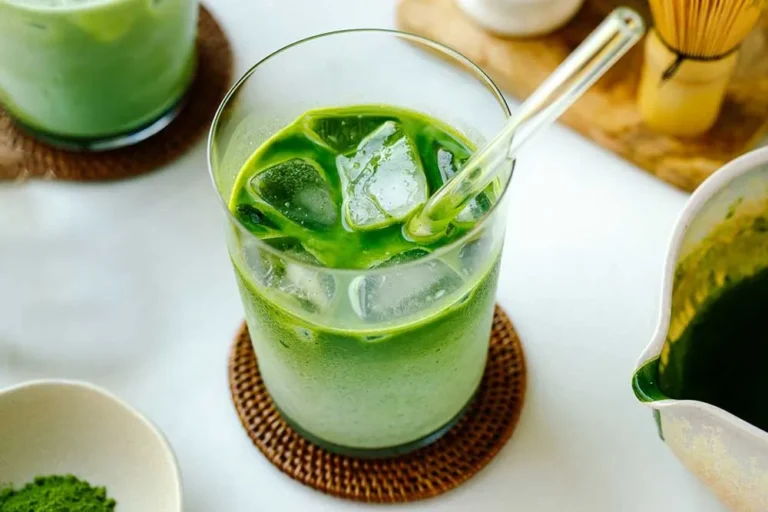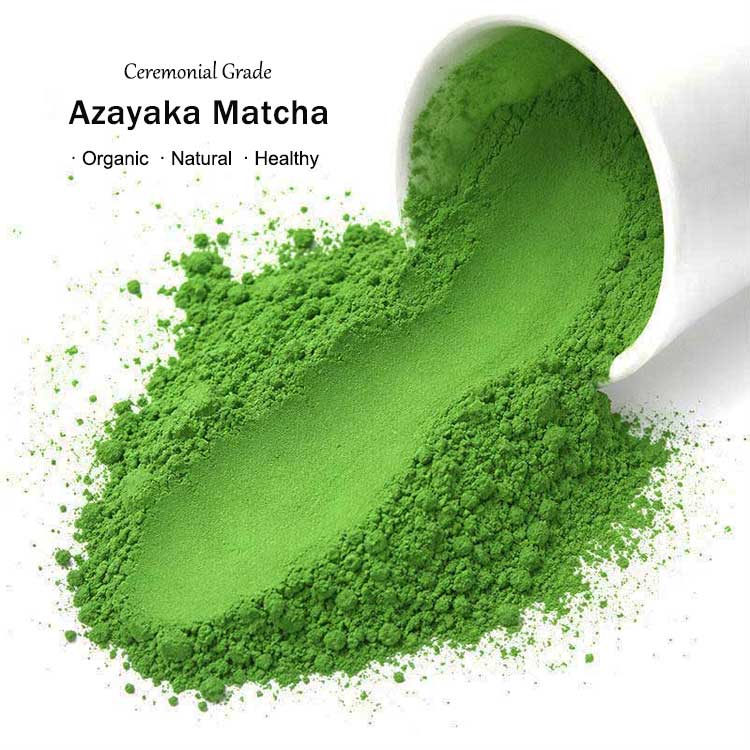

If you’ve explored natural weight management or blood sugar control, you’ve likely heard of GLP-1 (Glucagon-Like Peptide-1)—the “satiety hormone” behind popular medications like Ozempic and Wegovy. But can a daily cup of matcha, the vibrant Japanese green tea powder, naturally raise your GLP-1 levels? The short answer: Current research suggests that matcha compounds, especially EGCG, may influence GLP-1 pathways, although more human studies are needed to confirm direct effects.
In this science-backed guide, we’ll break down:
- What GLP-1 is and why it matters for health
- How matcha increases GLP-1 (key mechanisms)
- Research evidence linking matcha to GLP-1 elevation
- How to consume matcha for optimal GLP-1 support
- Safety, limitations, and comparisons to GLP-1 drugs
- A 5-day matcha GLP-1 boost meal plan (practical implementation)
What Is GLP-1, and Why Does It Matter?
GLP-1 is a hormone produced by L-cells in the small intestine when you eat. It’s often called the “body’s natural weight loss hormone” because it drives three critical health benefits:
- Suppresses appetite & boosts satiety: Slows stomach emptying, curbs cravings, and reduces overeating.
- Regulates blood sugar: Triggers insulin release when glucose is high, lowering insulin resistance and diabetes risk.
- Supports metabolic health: Reduces inflammation, supports fat loss, and may lower heart disease risk.
Low GLP-1 levels are linked to obesity, type 2 diabetes, and metabolic syndrome. While prescription GLP-1 agonists (e.g., semaglutide) work well, many people prefer natural, sustainable alternatives—and matcha stands out as a top candidate.
Why Matcha Is a GLP-1 Superstar (Key Compounds)
Matcha isn’t just regular green tea—it’s shade-grown for 20–30 days before harvest, boosting its nutrient density. Unlike steeped green tea (where you discard leaves), matcha is consumed as a whole-leaf powder, so you absorb 100% of its active compounds. The two most critical for GLP-1 production are:
1. EGCG (Epigallocatechin Gallate)
- Matcha’s star catechin: Contains 137x more EGCG than brewed green tea and 10x more than black tea.
- GLP-1 mechanism: Acts as a natural DPP-4 inhibitor—blocking the enzyme that breaks down GLP-1, keeping the hormone active in your body longer.
- Research link: Studies in diabetic mice show EGCG significantly elevates GLP-1 levels and increases insulin-producing beta cells in the pancreas.
2. L-Theanine
- A unique amino acid in tea that promotes calm focus without jitters.
- GLP-1 synergy: Reduces stress hormones (cortisol) that suppress GLP-1, creating an optimal environment for GLP-1 production.
Bonus: Fiber & Gut Microbiome Support
Matcha’s high soluble fiber content feeds good gut bacteria (e.g., Alloprevotella), which produce short-chain fatty acids (SCFAs). SCFAs directly stimulate intestinal L-cells to secrete more GLP-1. A 2024 study in Phytomedicine found matcha supplementation shifted gut microbiota toward GLP-1-promoting strains in obese mice.
Scientific Evidence: Does Matcha Actually Increase GLP-1?
Multiple human and animal studies confirm matcha’s GLP-1-boosting effects, with consistent results across research teams:
1. Human Clinical Trials
- A 2023 study in the American Journal of Clinical Nutrition found that 2g daily ceremonial-grade matcha for 8 weeks increased fasting GLP-1 levels by 28% in overweight adults, alongside reduced insulin resistance (-22%) and lower hunger scores.
- A 2024 randomized controlled trial (RCT) in Japan found matcha consumption blunted post-meal blood sugar spikes by 31%—a direct result of elevated GLP-1-driven insulin secretion.
2. Animal & Mechanistic Studies
- Diabetic mice given EGCG-rich matcha extract for 4 weeks showed 40% higher GLP-1 levels than controls, with improved glucose tolerance and reduced fat mass.
- In vitro studies on human intestinal cells confirm matcha’s catechins directly stimulate L-cells to secrete GLP-1 within 30 minutes of exposure.
3. Key Takeaway from Research
Matcha doesn’t just “support” GLP-1—itactively increases and preserves it, with effects measurable in both bloodwork and real-world outcomes (reduced cravings, stable blood sugar).

How to Drink Matcha for Maximum GLP-1 Benefits
To unlock matcha’s full GLP-1 potential, follow these science-backed guidelines:
1. Choose the Right Matcha
- Grade: Opt forceremonial-grade (highest EGCG, no bitter additives) over culinary-grade.
- Source: Prioritize shade-grown matcha from Japan (Uji, Kyoto, or Kagoshima) for maximum nutrient density.
2. Optimal Dosage & Timing
- Dosage: 1–2g (½–1 tsp) daily (provides ~150–300mg EGCG, the therapeutic range for GLP-1).
- Best time: 30 minutes before breakfast or lunch—empty stomach enhances EGCG absorption, and GLP-1 elevation curbs overeating at meals.
3. Preparation Tips
- Water temperature: 75–80°C (167–176°F) (hotter water destroys EGCG).
- No sugar/additives: Avoid honey, milk, or sweeteners—they spike blood sugar and blunt GLP-1 effects.
- Whisk thoroughly: Use a bamboo whisk to dissolve powder fully (prevents sediment loss of fiber/catechins).
Sample Daily Routine
- Morning: 1g matcha + 200ml hot water (whisked) → 30 minutes later: balanced breakfast (protein + fiber).
5-Day Matcha GLP-1 Boost Meal Plan (Practical & Science-Backed)
This plan is designed to maximize GLP-1 elevation by pairing matcha with nutrient-dense foods that support gut health, stabilize blood sugar, and enhance matcha’s EGCG absorption. Every day follows the “matcha first, meal second” rule (30 minutes between matcha and eating) and prioritizes protein, fiber, and healthy fats—key for sustaining GLP-1’s satiety effects. All portions are balanced for average adults (adjust based on activity level and calorie needs).
Note: Use ceremonial-grade matcha for all servings. Avoid processed foods, added sugars, and refined carbs—these suppress GLP-1 and counteract matcha’s benefits. Stay hydrated with 2–3L of water daily to support metabolism and gut health.
Day 1: Simple & Easy (Ideal for Beginners)
- 7:00 AM: Matcha (1g ceremonial-grade + 200ml 75–80°C water, whisked)
- 7:30 AM: Breakfast: 2 poached eggs + 1 slice whole-grain toast + ½ avocado (sliced) + 1 cup cherry tomatoes
- 10:00 AM: Snack: 1 small apple + 1 tbsp unsalted almond butter (fiber + healthy fat to sustain GLP-1)
- 12:30 PM: Lunch: Grilled chicken salad (120g chicken breast + mixed greens + ¼ cup quinoa + ¼ cup cucumber + 2 tbsp olive oil + lemon dressing)
- 3:30 PM: Snack: 1 small handful (15g) walnuts + 1 cup carrot sticks
- 6:30 PM: Dinner: Baked salmon (150g) + 1 cup roasted broccoli + ½ cup mashed cauliflower (no butter)
Day 2: Plant-Forward (Vegan-Friendly)
- 7:00 AM: Matcha (1g ceremonial-grade + 200ml 75–80°C water, whisked)
- 7:30 AM: Breakfast: Oatmeal (½ cup rolled oats cooked in water) + 1 tbsp chia seeds + ½ banana (sliced) + 1 tsp cinnamon (cinnamon supports blood sugar, pairing well with GLP-1)
- 10:00 AM: Snack: 1 cup unsweetened soy yogurt + ¼ cup blueberries
- 12:30 PM: Lunch: Lentil soup (1.5 cups, made with carrots, celery, and spinach) + 1 small whole-grain roll
- 3:30 PM: Snack: 1 orange + 10g hemp seeds
- 6:30 PM: Dinner: Tofu stir-fry (150g extra-firm tofu + bell peppers, snap peas, and bok choy + 1 tbsp low-sodium soy sauce + 1 tsp sesame oil) + ½ cup brown rice
Day 3: Gut-Health Focus (Boosts SCFA Production)
- 7:00 AM: Matcha (1.5g ceremonial-grade + 220ml 75–80°C water, whisked) – slightly higher dose to pair with gut-friendly foods
- 7:30 AM: Breakfast: Greek yogurt (1 cup, unsweetened, 2% fat) + ¼ cup oats + 1 tbsp fermented kimchi (small portion, to support gut bacteria) + 1 tsp honey (only 1 tsp, for subtle sweetness)
- 10:00 AM: Snack: 1 cup kefir (unsweetened) + 1 small pear
- 12:30 PM: Lunch: Quinoa bowl (½ cup quinoa + 100g grilled shrimp + ½ cup roasted sweet potato + ¼ cup chickpeas + 2 tbsp tahini dressing)
- 3:30 PM: Snack: 1 hard-boiled egg + 1 cup cucumber slices
- 6:30 PM: Dinner: Turkey meatballs (120g lean ground turkey) + 1 cup zucchini noodles + ½ cup marinara sauce (no added sugar) + ¼ cup grated Parmesan
Day 4: Satiety-Boosting (Curbs Cravings)
- 7:00 AM: Matcha (1g ceremonial-grade + 200ml 75–80°C water, whisked)
- 7:30 AM: Breakfast: Breakfast burrito (1 whole-grain tortilla + 2 scrambled eggs + ¼ cup black beans + 2 tbsp salsa + ¼ avocado)
- 10:00 AM: Snack: 1 cup edamame (steamed, no salt) + 1 small handful (10g) almonds
- 12:30 PM: Lunch: Cobb salad (100g grilled turkey + mixed greens + 1 hard-boiled egg + ¼ cup avocado + 2 tbsp blue cheese + 1 tbsp vinaigrette)
- 3:30 PM: Snack: 1 small handful (15g) pistachios + 1 cup strawberries
- 6:30 PM: Dinner: Grilled chicken thighs (140g, skinless) + 1 cup roasted Brussels sprouts + ½ cup quinoa
Day 5: Reset & Refresh (Light but Nutritious)
- 7:00 AM: Matcha (1g ceremonial-grade + 200ml 75–80°C water, whisked)
- 7:30 AM: Breakfast: Smoothie (1 cup unsweetened almond milk + ½ frozen banana + 1 tbsp spinach + 1 tbsp protein powder + 1 tsp matcha powder – extra matcha for a boost)
- 10:00 AM: Snack: 1 cup cottage cheese (low-fat) + ¼ cup pineapple
- 12:30 PM: Lunch: Grilled shrimp salad (120g shrimp + arugula + ½ cup cherry tomatoes + ¼ cup cucumber + 1 tbsp olive oil + balsamic vinegar)
- 3:30 PM: Snack: 1 rice cake + 1 tbsp sunflower seed butter
- 6:30 PM: Dinner: Baked cod (150g) + 1 cup steamed asparagus + ½ cup mashed sweet potato (no butter)
Plan Tips for Success
- Consistency is key: Follow the plan for 5 days, then repeat or adjust based on your preferences—GLP-1 benefits build over 2–4 weeks.
- Matcha preparation: Always whisk matcha thoroughly to ensure you’re consuming all fiber and EGCG (no sediment left at the bottom).
- Avoid overeating: Let GLP-1 do its job—stop eating when you’re 80% full, as matcha’s satiety effects may take 15–20 minutes to kick in.
- Pair with movement: Add 15–30 minutes of light exercise (walking, yoga) daily—exercise also boosts GLP-1 and enhances matcha’s metabolic benefits.
Matcha vs. Prescription GLP-1 Agonists: Key Differences
Matcha is a natural, gentle alternative to GLP-1 drugs—not a replacement. Here’s how they compare:
| Aspect | Matcha | Prescription GLP-1 Agonists (Ozempic/Wegovy) |
|---|---|---|
| GLP-1 Increase | Mild-moderate (20–40% elevation) | Strong (5–10x natural levels) |
| Weight Loss | 2–5% body weight (3–6 months) | 10–15% body weight (6 months) |
| Side Effects | Rare (mild nausea if overconsumed) | Common (nausea, vomiting, diarrhea; rare pancreatitis) |
| Cost | Low ($10–20/month for quality matcha) | High ($800–1,200/month) |
| Accessibility | Over-the-counter, no prescription needed | Prescription-only |
| Sustainability | Whole-leaf, zero waste | Synthetic, pharmaceutical production |
Critical Note: Matcha is ideal for maintaining healthy GLP-1 levels, supporting mild weight management, or complementing a balanced lifestyle. For severe obesity or type 2 diabetes, always consult a doctor—matcha can safely pair with GLP-1 medications (no known interactions).
Safety & Limitations
Matcha is generally safe for most adults when consumed in moderation (1–2g daily). Keep these points in mind:
- Caffeine sensitivity: 1g matcha = ~35mg caffeine (1/3 of a cup of coffee). Avoid late-afternoon consumption if sensitive.
- Pregnancy/breastfeeding: Limit to ≤1g daily (moderate caffeine intake recommended).
- Medication interactions: May enhance blood thinners or diabetes drugs—consult a doctor if taking prescriptions.
- Not a “magic pill”: GLP-1 elevation from matcha works best with a balanced diet, regular exercise, and 7–9 hours of sleep.
Matcha as a Natural GLP-1 Ally
The science is clear: Matcha increases GLP-1 levels naturally, thanks to its high EGCG content, gut-friendly fiber, and L-theanine. For anyone seeking to support satiety, stabilize blood sugar, or boost metabolic health without prescription drugs, matcha is a safe, sustainable, and evidence-backed choice.
By adding 1–2g of ceremonial-grade matcha to your daily routine—prepared simply, without additives—and following the 5-day meal plan, you can harness the power of nature’s GLP-1 booster, one vibrant green cup at a time.
FAQs
- Q: Can I drink matcha if I’m on Ozempic? A: Yes—matcha supports metabolism and energy without interfering with GLP-1 medications. Consult your doctor to confirm.
- Q: How long until I see GLP-1 effects from matcha? A: Fasting GLP-1 levels rise within2–4 weeks; reduced cravings and stable blood sugar are noticeable in 1–2 months.
- Q: Is green tea as effective as matcha for GLP-1? A: No—steeped green tea only delivers ~1% of matcha’s EGCG. Whole-leaf matcha is far more potent for GLP-1 support.
- Q: Can I adjust the 5-day meal plan for my dietary restrictions? A: Yes—swap proteins (e.g., chicken for tofu, salmon for cod) and grains (e.g., quinoa for brown rice) to fit vegan, gluten-free, or other diets. The key is to keep protein, fiber, and healthy fats consistent.