

Located just 20 minutes south of Kyoto, Uji is one of Japan’s most famous tea-growing regions. Its long history of matcha cultivation and production makes it a must-visit destination for any tea lover. Uji’s fertile soil and ideal climate conditions make it the birthplace of some of Japan’s finest matcha. Whether you’re an experienced matcha drinker or a first-time matcha drinker, Uji offers a wide range of options, from traditional teahouses to modern tea experiences. But with so many options, which matcha is truly the best? Let’s take a deep dive into the top matcha and what makes Uji matcha so special.
1. History and Heritage of Uji Matcha
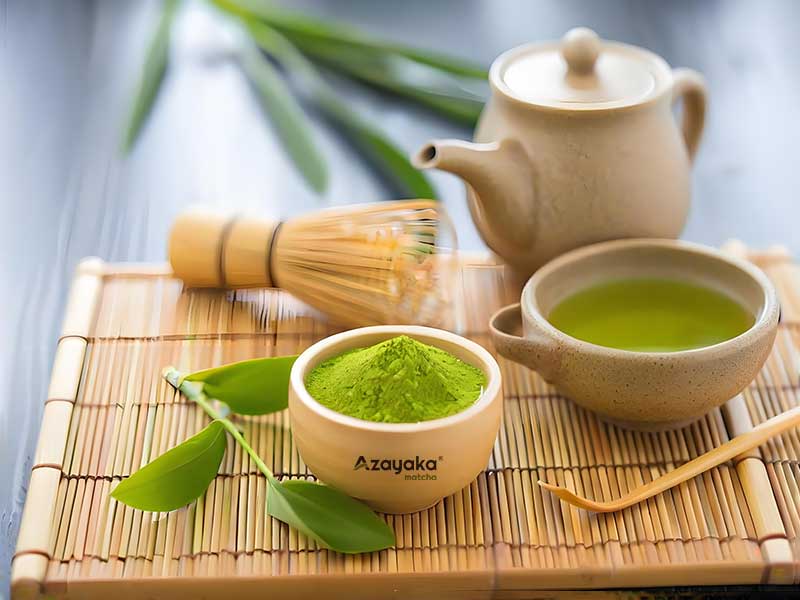
Before we explore the best matcha, it’s important to understand what makes Uji matcha so special. Matcha, a powdered green tea made from shade-grown tea leaves, has been an integral part of Japanese culture for centuries. Located along the Uji River, Uji has been growing matcha since the 12th century, making it one of Japan’s oldest tea-growing regions. The region’s mild climate, pure water from the Uji River, and centuries of cultivation techniques give Uji matcha its distinctive flavor—rich, umami, and slightly sweet.
2. Top Matcha Brands and Producers in Uji
Several tea gardens and producers in Uji are renowned for their exceptional matcha, each with unique qualities in flavor, texture, and aroma. Here are some of Uji’s most notable matcha brands:
- Ippodo Tea
Founded in 1717, Ippodo Tea is synonymous with high-quality Japanese tea. While they produce many varieties of tea, their matcha is particularly revered. Ippodo’s matcha is known for its balanced flavor, striking a perfect harmony between sweet and bitter. Their Cloud Gate Past matcha is a top choice, with a rich, full-bodied flavor that’s perfect for both traditional tea ceremonies and modern matcha lattes.
- Marukyu Koyamaen
Marukyu Koyamaen is another long-established brand widely recognized for its premium Uji matcha. Founded in 1704, the company has built a reputation for producing some of the finest ceremonial-grade matcha in the world. Their Marukyu Koyamaen Grand Matcha is a luxurious option that boasts a rich, vibrant green color and a rich, creamy flavor. The company’s attention to detail in growing and processing ensures that each of their cups of matcha has a smooth, velvety texture.
- Ujien
Ujien is known for offering high-quality matcha at an affordable price, making it a popular choice among locals and tourists alike. They specialize in organic matcha, and their Ujien Organic Matcha is perfect for those who prefer an authentic, eco-friendly experience. With a light grassy flavor and a hint of umami, Ujien’s matcha is a great choice for traditional tea ceremonies and baking.
- Kyoto Obubu Tea Farms
Although not strictly based in Uji, Kyoto Obubu Tea Farms, located nearby in Wazuka, grows some of the region’s finest matcha. The farm emphasizes sustainable farming practices, producing matcha that is both delicious and environmentally friendly. Their Obubu Matcha is smooth and sweet with a natural vegetal taste that makes it a favorite for those seeking a slightly more delicate matcha flavor.
3. Renowned matcha shop in Uji
- Ito Kyuemon
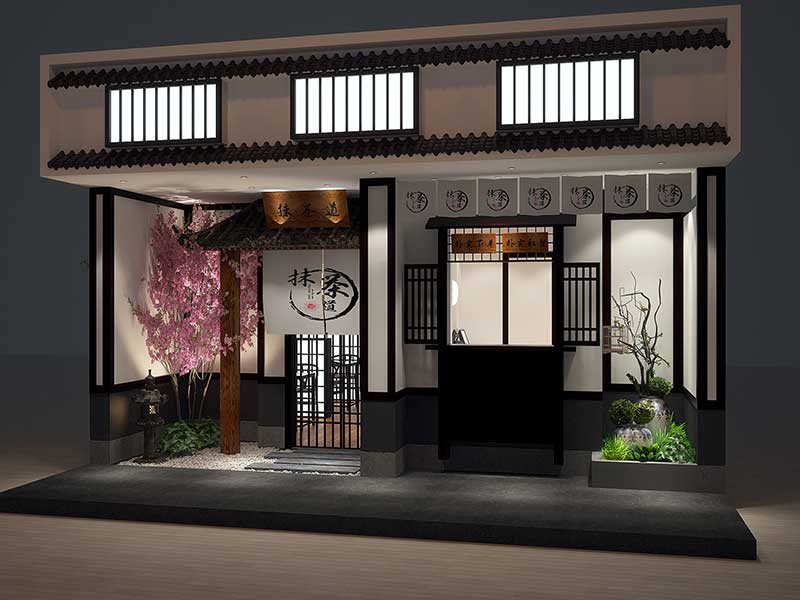
Ito Kyuemon is a famous matcha shop in Uji that offers a wide range of matcha and sweets. From matcha cookies filled with matcha cream to Jyujyo sets with ten different tea samples, this shop caters to adventurous and discerning tea lovers.
- Nakamura Tokichi
Overlooking the iconic Uji River, Nakamura Tokichi serves premium teas and a range of tea-flavored desserts. The Byodoin shop is particularly popular, offering stunning views and delicious food. Don’t miss the Matcha and Tea Jelly, which pairs three different grades of matcha with smooth matcha jelly cubes, matcha ice cream, sweet red beans, and white sesame seeds in a cool bamboo container.
- Mitsuboshien Kanbayashisannyu Honten
Mitsuboshien Kanbayashisannyu has served 16 generations of the Shogun family since its founding 500 years ago. The shop is divided into two spaces: one for tea-related items and a small seating area for desserts, and the other for tea ceremonies. The Warabimochi Matcha Set is a must-try, which includes the higher-grade matcha Saijo Hatsumukashi.
While not strictly Uji, Kyoto Daifu Tea Farm, located near Wazuka, grows some of the finest matcha in the region. The farm emphasizes sustainable farming practices, producing matcha that is both delicious and environmentally friendly. Their Dafu Matcha has a smooth and sweet taste with natural vegetal notes, making it a favorite for those seeking a more delicate matcha flavor.
4. Why is Uji Matcha the best?
Uji Matcha stands out as the gold standard for tea lovers around the world for a number of reasons:
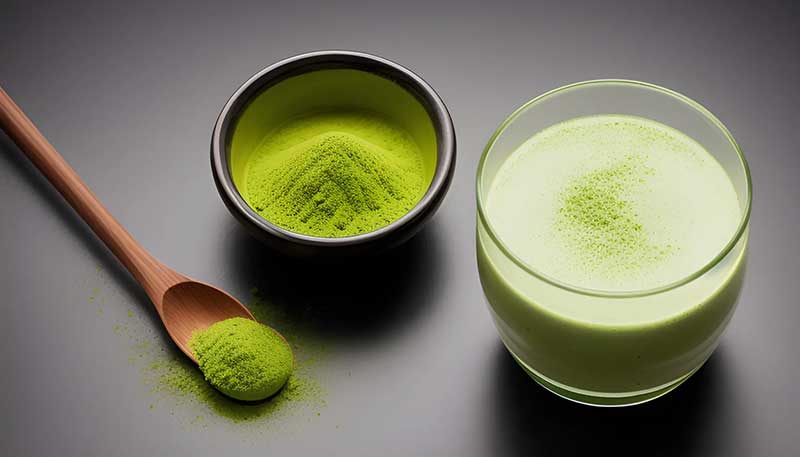
- Shade-cultivated: Uji Matcha is grown in the shade for several weeks before being harvested. This process increases chlorophyll production, giving the tea its dark green color and rich umami flavor.
- Hand-picked leaves: Uji matcha is typically made from the tenderest, youngest leaves, picked by hand during the first picking of the season. This ensures its superior taste and quality.
- Traditional stone mill: Matcha leaves are ground into a fine powder using a traditional stone mill. This slow process preserves the delicate flavor and aromatic oils in the leaves, ensuring the premium quality of the product.
- Water quality: The pure water of the Uji River is a key factor in the success of Uji matcha. The mineral content in the water enhances the flavor of the tea, giving it a smooth and balanced taste.
5. Where to buy the best matcha in Uji
For those visiting Uji, there are several places to sample and purchase high-quality matcha:
- Uji matcha cafes and tea houses: Uji is full of tea houses and cafes that serve matcha in all its forms, from traditional tea ceremonies to matcha ice cream and matcha lattes. Visit one of these places and you can sample matcha paired with exquisite wagashi.
- Tea Farm: Several matcha farms in Uji offer tours to learn about the growing process

Regards for this post, I am a big fan of this website would like to go on updated.
As someone who grew up in Kyoto, Uji has always been my go-to for quality matcha. It’s not just a drink—it’s an art form here.
Visited Uji last spring and it was magical! The tea houses there make the smoothest matcha I’ve ever had. Reading this brought back so many memories.
I grew up in Kyoto, and this article really captures the beauty of Uji’s tea culture. You didn’t just mention big tea houses — you highlighted local charm and history. Makes me proud!
As a café owner sourcing bulk matcha, this Uji culture tour article is pure gold! It doesn’t just list tourist spots—it breaks down Uji’s unique soil, shade cultivation, stone milling traditions, and the difference between ceremonial & culinary Uji matcha. I finally understood why Uji-grown powder has that signature smooth umami cheap imports lack. Used this knowledge to retrain my baristas to explain origin stories to guests; now customers actively ask for our Uji matcha lattes, and our premium matcha sales jumped 35%. The brand’s direct Uji farm sourcing makes total sense after reading this deep dive.
I’m a small boutique tea shop owner, and this guide completely changed how I market my matcha stock. It walks through centuries of Uji tea history, iconic local tea houses, harvest seasons, and how terroir shapes flavor profiles. Loads of actionable selling points I can share with shoppers to justify higher-grade Uji matcha pricing. The vivid descriptions of tea fields and traditional stone grinding helped me craft social media content that draws more matcha lovers. I’ve sent this link to every member of my retail team for training.
Super educational Uji matcha guide, gave me tons of selling talking points for my café.
Rich cultural background + practical sourcing tips, boosted my premium matcha sales.
Love the hands-on stone grinding and tea ceremony breakdown, not just temple photo spots.
It clearly tells ceremonial matcha apart from café culinary matcha, finally cleared my confusion.
Simple practical travel tips: best visiting hours, wagashi pairing, how to taste matcha properly.
This was such a lovely read! I visited Uji last spring and this blog really brought back the memories—the peaceful tea fields, the rich aroma of freshly whisked matcha, and the kind people at the tea houses. I appreciate how you covered not only the famous spots but also the smaller, family-run tea farms. It’s rare to find content that balances cultural insight with practical travel tips so well. Definitely bookmarking this for my next trip to Kyoto. Thank you!
I stumbled upon this blog while planning my trip to Japan and I’m so glad I did! I didn’t know much about matcha before, but now Uji is definitely on my itinerary. The way you described the tea ceremony and the atmosphere of the tea shops made it feel so special. I’m excited to experience it myself and maybe even bring home some matcha as souvenirs. Thanks for such an informative and inspiring article!
Love that it balances culture history with actual tasting tips. Finally know the difference between ceremonial and culinary Uji matcha now.
Visited Uji last year without a guide, missed half the tea culture stories. Wish I’d read this article before traveling.
The itinerary is not rushed. Perfect for people who enjoy slow travel and don’t want to hop between spots nonstop.
Great breakdown of local tea houses. I skipped crowded tourist shops and followed these recommendations, the matcha tasted far more authentic.
I’ve always been a fan of matcha, but after reading this blog, I have a whole new appreciation for Uji matcha! The history and cultural significance of tea in Japan really shone through. I had no idea that Uji is considered the birthplace of the highest quality matcha, and your detailed description of how the tea leaves are carefully grown and processed was fascinating. I can’t wait to visit Uji and experience the matcha culture firsthand. Thanks for such an insightful post!