How Coffee Shops Can Use Matcha to Enhance Menu Appeal
Matcha has become one of the fastest-growing ingredients in modern café culture. From matcha lattes to creative signature drinks, coffee shops around the world are adding matcha to attract health-conscious customers and increase menu diversity.
But how exactly can coffee shops use matcha effectively—and profitably?
This guide breaks down real-world café applications, recipe ideas, pricing strategies, and customer trends to help coffee shop owners integrate matcha into their menus in a practical way.
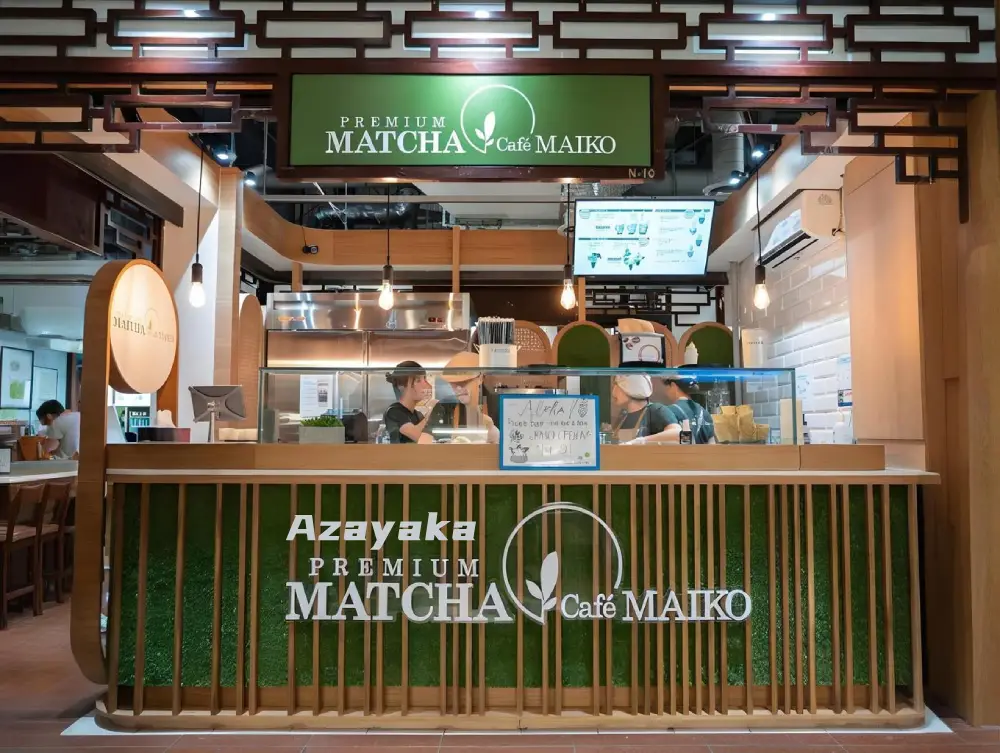
Why Matcha Is Becoming a Café Essential
Matcha is not just a trend—it is part of a broader shift in consumer behavior toward:
- Health-conscious beverages
- Lower sugar alternatives
- Functional drinks with antioxidants
- Instagram-friendly menu items
Compared to coffee, matcha offers a different value proposition:
- Smooth caffeine energy (without crash for many users)
- Vibrant green color for visual appeal
- Premium perception in specialty cafés
This combination makes matcha highly attractive for modern café menus.
How Coffee Shops Use Matcha in Menus
1. Classic Matcha Latte (Core Menu Item)
The matcha latte is the foundation of almost every café matcha menu.
Typical ratio:
- 2g matcha powder
- 60–80ml hot water
- 150–250ml milk (dairy or plant-based)
Why it works:
- Easy to prepare
- High profit margin
- Customizable sweetness and milk options
2. Iced Matcha Drinks (High Summer Demand)
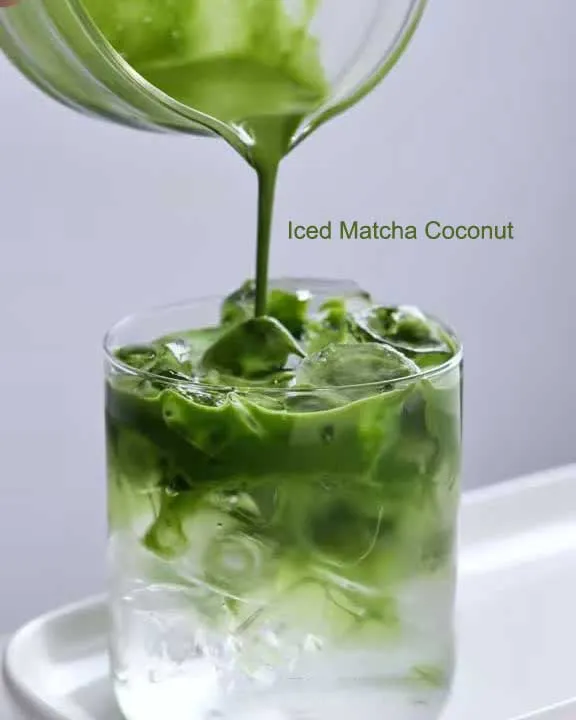
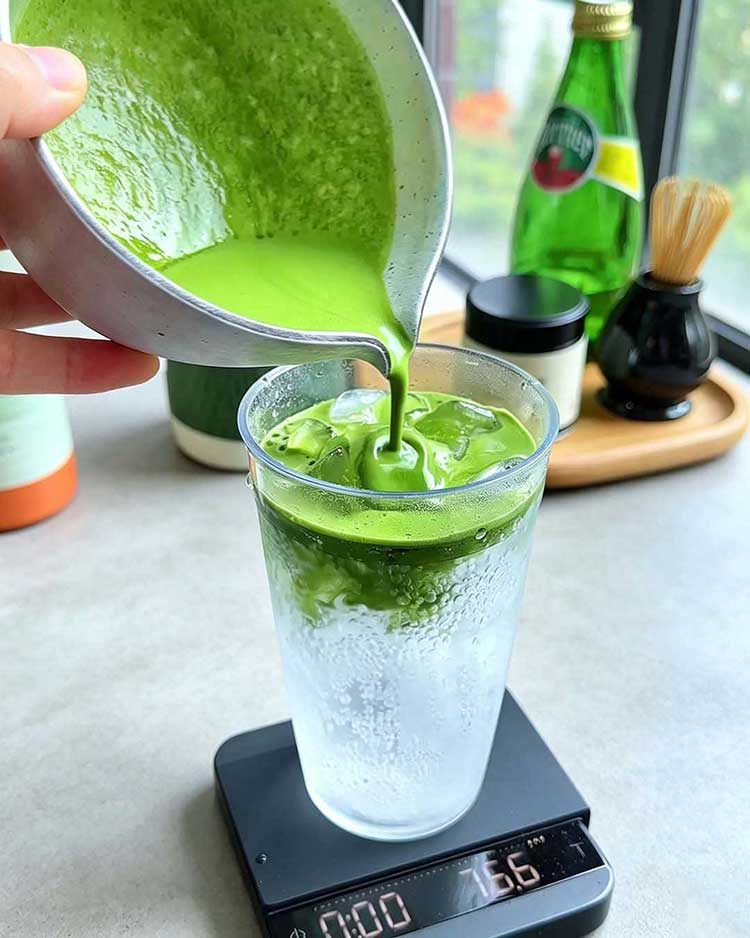
Iced matcha lattes and matcha lemonades are especially popular in warm climates.
Benefits:
- Higher visual appeal
- Refreshing alternative to iced coffee
- Strong social media engagement
3. Signature Matcha Drinks (Brand Differentiation)
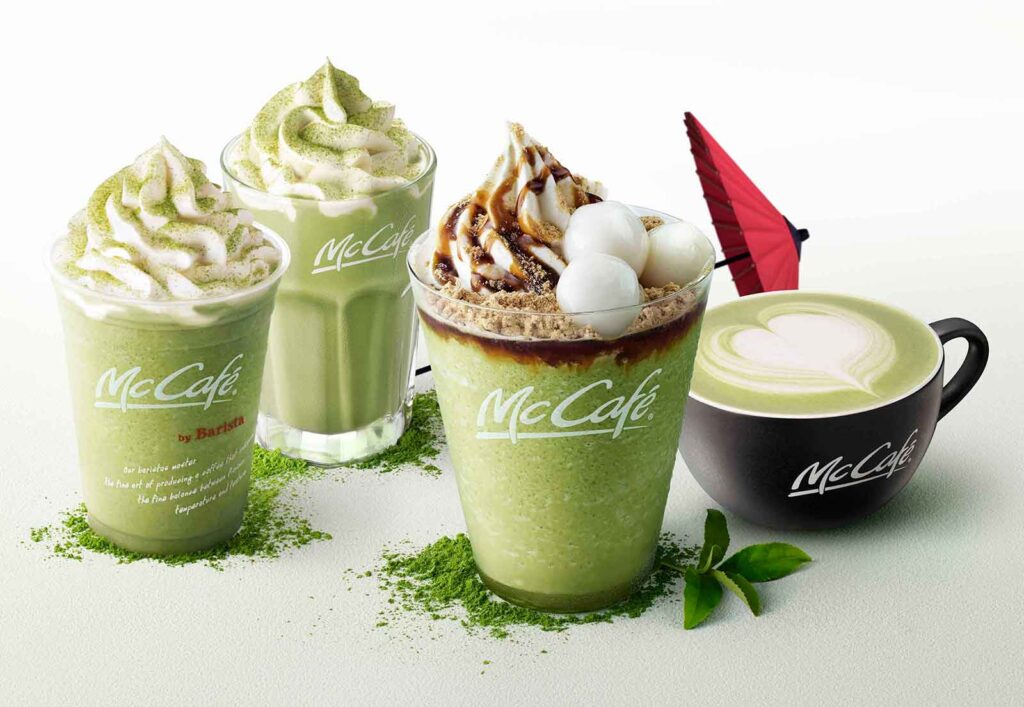
Coffee shops that want to stand out often create signature drinks such as:
- Strawberry matcha latte
- Coconut matcha cloud
- Vanilla oat matcha
- Matcha espresso fusion (dirty matcha)
These drinks help cafés:
- Differentiate from competitors
- Increase average order value
- Encourage repeat customers
Matcha Menu Profit Strategy for Coffee Shops
Matcha drinks often have strong profit potential due to low ingredient cost and premium pricing.
Example cost structure:
- Matcha powder (2g): low cost per serving
- Milk + syrup: moderate cost
- Retail price: $5–$8 per cup
Profit advantage:
Matcha beverages often achieve:
- 60–80% gross margin in café settings
Customer Demand Trends for Matcha Drinks
Modern consumers choose matcha because:
- They want lower coffee intake
- They associate matcha with wellness
- They prefer visually appealing drinks
- They follow social media café trends
Matcha drinks are especially popular among:
- Gen Z consumers
- Female café customers
- Health-conscious urban professionals
How to Choose Matcha for Coffee Shops
Quality is critical for café success.
Low-quality matcha may result in:
- Bitter taste
- Dull color
- Poor customer experience
High-quality café matcha should have:
- Bright green color
- Smooth umami flavor
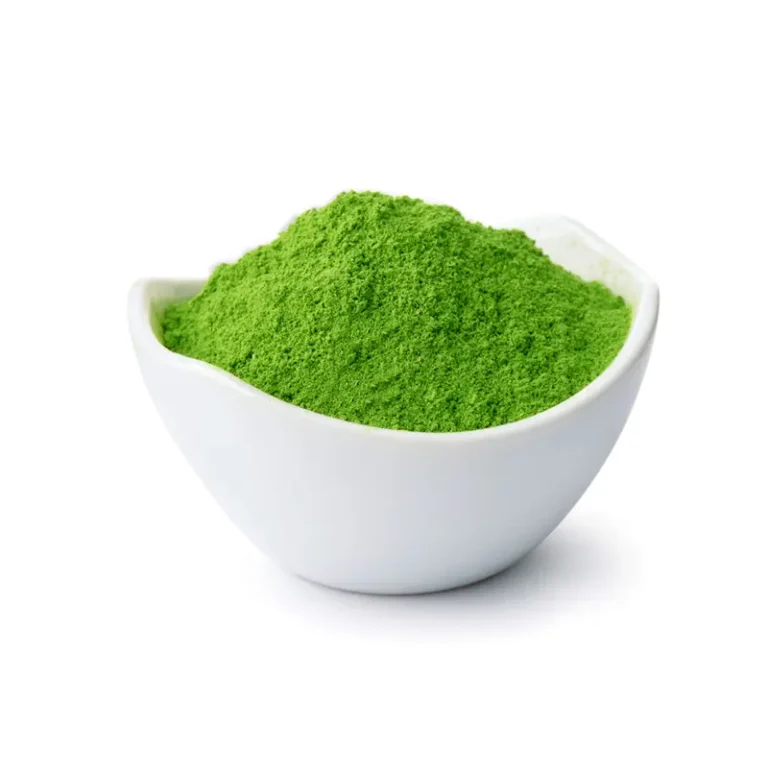
- Fine powder texture for easy mixing
Common Mistakes Coffee Shops Make with Matcha
1. Using low-grade matcha
Leads to poor taste and customer dissatisfaction.
2. Over-sweetening drinks
Masks natural matcha flavor and reduces premium perception.
3. Lack of menu creativity
Only offering basic matcha latte limits revenue potential.
Matcha vs Coffee in Café Menus
| Factor | Matcha | Coffee |
|---|---|---|
| Flavor profile | Smooth, vegetal, umami | Bitter, roasted |
| Caffeine effect | Balanced energy | Strong stimulation |
| Visual appeal | High (green color) | Medium |
| Trend factor | High | Mature market |
Matcha is not a replacement for coffee—but a strategic complement.
FAQ: Matcha for Coffee Shops
Is matcha profitable for coffee shops?
Yes. Matcha drinks typically have strong margins due to low serving cost and premium pricing.
What is the best matcha drink for cafés?
The classic matcha latte remains the most reliable and popular option.
Can matcha attract new customers?
Yes. Matcha helps cafés attract health-conscious and younger demographics.
Matcha is more than a beverage ingredient—it is a menu strategy.
Coffee shops that successfully integrate matcha can:
- Expand their customer base
- Increase average order value
- Improve brand positioning in the wellness trend
As demand for functional and visually appealing drinks continues to grow, matcha will remain a key ingredient in modern café menus.
About Quality Matcha Supply
For coffee shops, consistency and quality matter as much as creativity. Using high-quality matcha ensures better flavor, color, and customer experience—critical factors for repeat business and brand reputation.